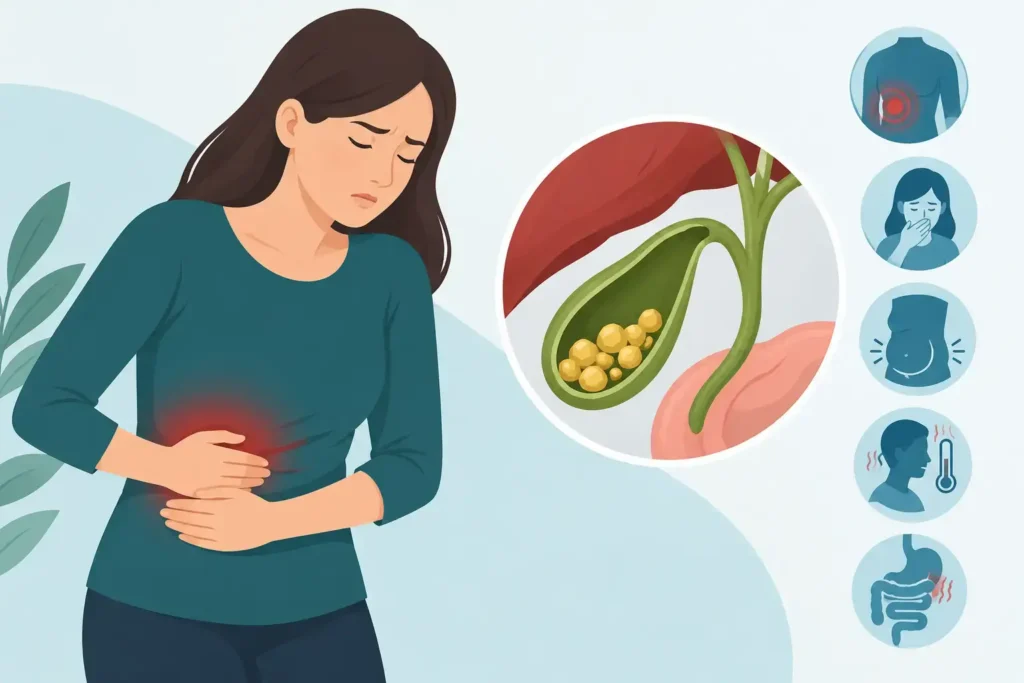

A patient may feel encouraged by early weight-loss progress, then notice a new burning sensation after dinner, sour taste in the throat, frequent burping, or nausea that makes meals uncomfortable. So, can GLP-1 medications cause reflux? They can contribute to reflux-like symptoms in some people, particularly when treatment begins or a dose is increased. But reflux symptoms deserve an individualized evaluation, not an assumption that the medication is the only cause.
GLP-1 medications such as semaglutide and tirzepatide can be highly effective tools for medically supervised weight management and metabolic health. They also affect the digestive tract. Understanding that connection helps patients and physicians manage symptoms without losing sight of the larger health goals that brought them to treatment.
Can GLP-1 Medications Cause Reflux?
GLP-1 medications work in part by slowing the rate at which food leaves the stomach. This delayed gastric emptying helps patients feel full sooner and stay full longer, which can support lower calorie intake and weight loss. It can also lead to nausea, bloating, belching, indigestion, or a feeling that food is sitting heavily in the stomach.
When the stomach remains full for longer, pressure can build and make it easier for stomach contents to move upward into the esophagus. That can trigger classic gastroesophageal reflux disease, or GERD, symptoms, including heartburn and regurgitation. Some people may not have true acid reflux but may experience upper-abdominal discomfort, nausea, or belching that feels similar. Distinguishing among these symptoms matters because the right treatment depends on the cause.
Symptoms are often most noticeable during the first several weeks of treatment or after a dosage increase. They may improve as the body adjusts. However, symptoms that are frequent, severe, or persistent should be reviewed by a physician rather than simply tolerated.
Why Reflux Risk Is Different for Every Patient
A GLP-1 medication is only one piece of the clinical picture. A person with longstanding GERD, a hiatal hernia, Barrett’s esophagus, delayed gastric emptying, or a history of upper gastrointestinal symptoms may be more likely to notice reflux during treatment. Large meals, late-night eating, high-fat foods, alcohol, tobacco use, and certain medications can add to the problem.
Dose and pacing matter as well. Advancing a dose before nausea or fullness has settled can make upper GI symptoms more difficult. For some patients, a slower titration schedule, temporary dose adjustment, or additional symptom management can make treatment more tolerable. Those decisions should be made with the prescribing clinician, based on the patient’s symptoms, medical history, treatment response, and goals.
There is also an important long-term consideration. Excess weight, especially abdominal weight, can increase pressure on the stomach and contribute to GERD. As medically appropriate weight loss occurs, some patients experience fewer reflux symptoms over time. The short-term digestive adjustment and the potential longer-term benefit can coexist, which is why a personalized plan is more useful than an all-or-nothing approach.
Reflux Symptoms Should Not Automatically Be Blamed on a Medication
Heartburn is common, but not every burning sensation is uncomplicated reflux. Chest discomfort can have cardiac causes. Persistent nausea or upper-abdominal pain may point to gastritis, an ulcer, gallbladder disease, or significant delayed stomach emptying. Difficulty swallowing can signal inflammation or narrowing in the esophagus and requires prompt medical attention.
A gastroenterology evaluation can help clarify whether symptoms represent GERD, medication-related indigestion, or another digestive condition. Depending on the situation, a physician may recommend a detailed history, review of medications and supplements, laboratory testing, imaging, or an upper endoscopy. Upper endoscopy allows the physician to examine the esophagus, stomach, and upper small intestine for inflammation, ulcers, narrowing, or other concerns.
For patients with known GERD or Barrett’s esophagus, coordinated digestive and weight-management care is especially valuable. Weight goals should support overall health without overlooking symptoms that need diagnosis, monitoring, or treatment.
What Can Help With GLP-1-Related Reflux Symptoms?
Do not stop, skip, or change a prescribed GLP-1 medication without speaking with the clinician managing your care. Instead, report when symptoms began, how often they occur, whether they changed after a dose increase, and what foods or times of day make them worse. That information can guide safe next steps.
Simple habits may reduce symptoms while your care team evaluates the situation:
- Choose smaller meals and eat slowly, especially on days when appetite is low or nausea is more noticeable.
- Avoid lying down for at least two to three hours after eating, and consider elevating the head of the bed if nighttime reflux is frequent.
- Limit personal trigger foods, which may include high-fat meals, spicy foods, chocolate, mint, alcohol, coffee, or carbonated drinks.
- Stay hydrated with small, regular sips if nausea is present, rather than drinking large volumes with meals.
Your physician may also consider treatment for GERD when appropriate, such as an acid-reducing medication, while addressing the underlying contributors. Medication choices should account for your complete health history and should not be treated as a substitute for evaluating concerning or ongoing symptoms.
When to Contact a Physician Promptly
Contact your prescribing clinician if reflux, nausea, vomiting, or abdominal pain is interfering with eating, drinking, sleep, or daily activities. Persistent vomiting can lead to dehydration and may require timely assessment. Severe or worsening symptoms should not be managed by simply pushing through the next dose.
Seek urgent medical care for chest pain, trouble breathing, vomiting blood, black or tar-like stools, severe abdominal pain, fainting, signs of dehydration, or trouble swallowing. Unintentional weight loss beyond treatment expectations, persistent food sticking, or pain with swallowing also warrants prompt evaluation.
These symptoms do not necessarily mean a serious complication is present, but they need medical attention. A careful assessment can identify whether the issue is reflux, another GI condition, or a medication side effect that requires a change in the treatment plan.
A More Complete Approach to Weight and Digestive Health
Commercial weight-loss programs may focus narrowly on a prescription and a number on the scale. For patients with reflux or other digestive symptoms, that is not enough. Safe, effective treatment should consider metabolic health, nutrition, medication tolerance, liver health, preexisting GI conditions, and the symptoms that affect day-to-day quality of life.
At NJ Gastroenterology & Health Wellness, physician-guided weight management and gastroenterology care can be coordinated when digestive symptoms arise during GLP-1 treatment. That means patients can discuss medication effects with clinicians who also understand GERD, upper endoscopy findings, fatty liver disease, and the broader digestive system.
The goal is not to make every patient tolerate the same medication in the same way. It is to find an evidence-based plan that supports meaningful health progress while protecting comfort, nutrition, and safety. If reflux begins after starting a GLP-1 medication, a timely conversation with a qualified physician can turn an uncomfortable setback into a clear, manageable next step.