Pain after a rich meal is easy to blame on indigestion. But when discomfort is intense, returns in a similar pattern, or occurs with nausea or fever, it may be one of the five signs of gallstones that warrants medical attention. Gallstones are common, and they do not always cause symptoms. When they do, prompt evaluation can help prevent complications involving the gallbladder, bile ducts, liver, or pancreas.
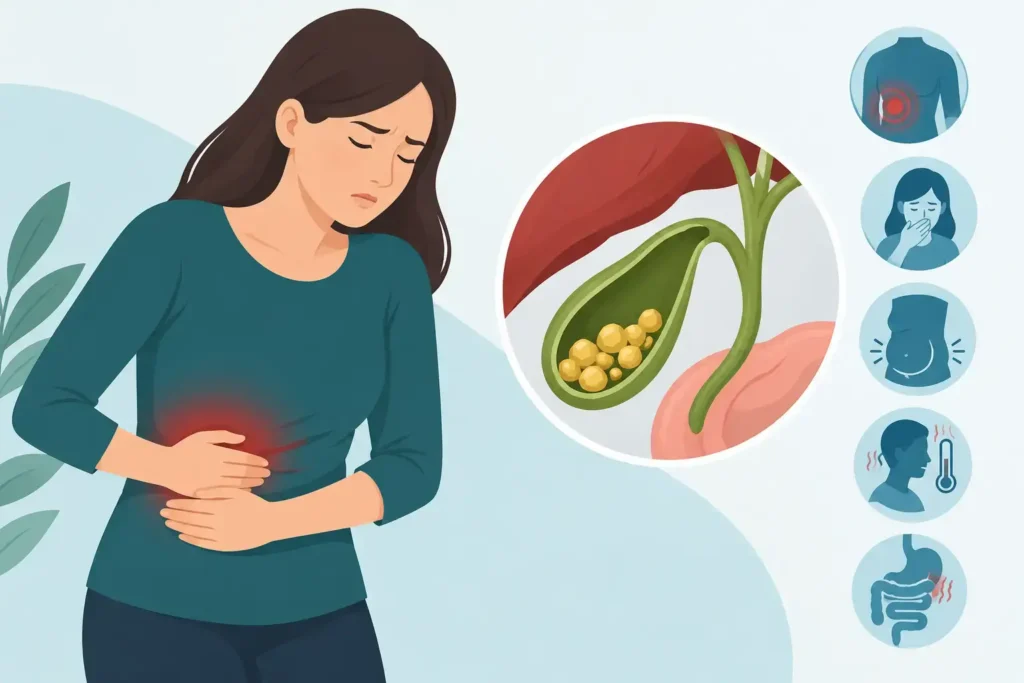
Gallstones are hardened deposits that form inside the gallbladder, a small organ beneath the liver that stores bile. They may be as small as grains of sand or as large as a golf ball. Some people have a single stone, while others have many. A gastroenterology evaluation can help determine whether gallstones are causing your symptoms or whether another digestive condition needs to be addressed.
Five Signs of Gallstones to Watch For
1. Sudden pain in the upper right or middle abdomen
The most common symptom is called biliary colic. It is often a steady, strong pain in the upper right side of the abdomen, just beneath the ribs, or in the upper middle abdomen. Unlike a brief stomach cramp, this pain may last 30 minutes to several hours and can make it difficult to sit comfortably, work, or sleep.
The pain often begins after a meal, particularly one high in fat, because the gallbladder contracts to release bile for digestion. However, a gallbladder attack can also occur at night or without an obvious food trigger. Symptoms can come and go over weeks or months, which may lead people to delay care until the episodes become more disruptive.
2. Pain that spreads to the back or right shoulder
Gallstone pain does not always stay in the abdomen. It may radiate to the right shoulder, between the shoulder blades, or the upper back. This pattern can be confusing because back or shoulder discomfort has many possible causes, including muscle strain.
When back or shoulder pain occurs alongside upper abdominal pain, especially after eating, it is reasonable to discuss gallbladder disease with a physician. The timing, location, duration, and associated symptoms all help guide the evaluation.
3. Nausea, vomiting, or persistent indigestion
Nausea and vomiting can occur during a gallbladder attack. Some patients also describe bloating, excessive gas, belching, or an uncomfortable feeling of fullness after meals. These symptoms overlap with GERD, gastritis, functional dyspepsia, food intolerance, and other digestive concerns, so they should not be used alone to diagnose gallstones.
What makes the pattern more concerning is recurrent nausea or vomiting with upper abdominal pain. A board-certified gastroenterologist can review your symptom history, medications, dietary patterns, and medical conditions to identify the most likely cause. This careful approach matters because treating presumed indigestion without understanding the source may delay appropriate care.
4. Fever, chills, or worsening tenderness
Fever or chills with abdominal pain can signal inflammation or infection of the gallbladder, known as cholecystitis. This can happen when a gallstone blocks the cystic duct and bile cannot flow normally. The abdomen may become increasingly tender, especially in the upper right area, and pain may persist rather than resolving after a few hours.
These symptoms need urgent medical assessment. Gallbladder inflammation can become serious, particularly for older adults and people with diabetes, weakened immune systems, or significant medical conditions. Do not wait for a routine office visit if you have severe or persistent abdominal pain with fever, chills, repeated vomiting, or an inability to keep fluids down.
5. Yellowing of the skin or eyes, dark urine, or pale stools
Jaundice is a more urgent warning sign. It can occur when a gallstone moves into and blocks a bile duct, preventing bile from draining normally. In addition to yellowing of the skin or whites of the eyes, patients may notice dark urine, light or clay-colored stools, or widespread itching.
A bile duct blockage can also lead to cholangitis, a potentially serious infection, or pancreatitis, inflammation of the pancreas. Seek immediate medical care for jaundice, especially when it occurs with abdominal pain, fever, chills, confusion, or vomiting.
Who Is More Likely to Develop Gallstones?
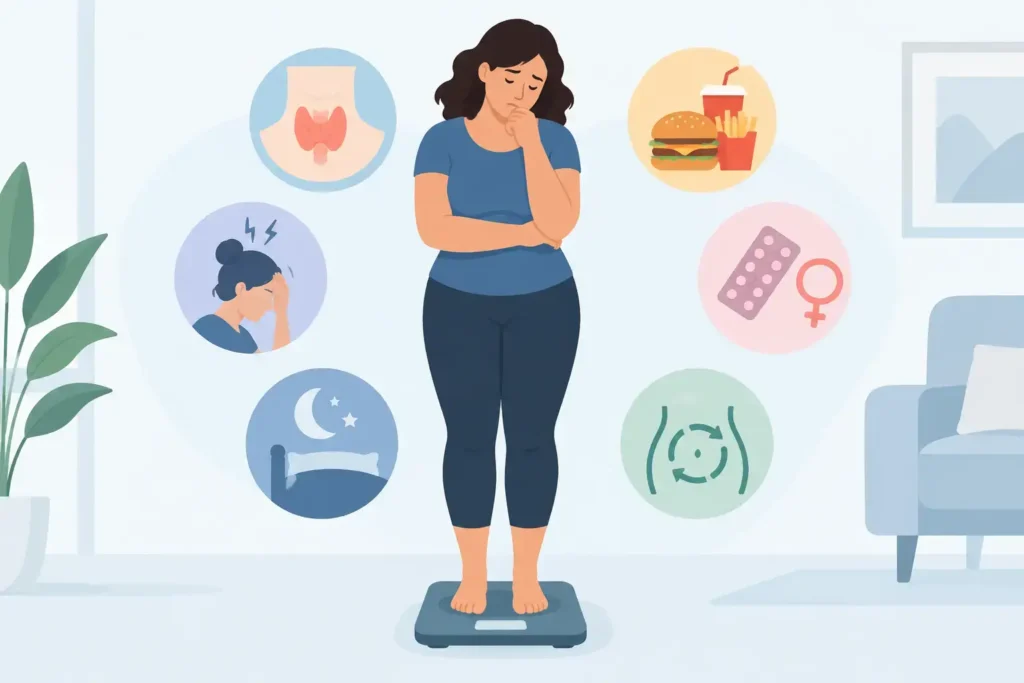
Gallstones can affect adults of any gender, age, or body type. Still, risk rises with age and may be higher with a family history of gallstones, pregnancy, diabetes, high cholesterol or triglycerides, and certain liver or blood conditions. Obesity and metabolic disease can also raise risk, as can rapid weight loss.
That last point is worth addressing with care. Weight loss can improve metabolic health and reduce the burden of fatty liver disease for many patients, but very rapid weight loss may increase the likelihood of gallstone formation. A physician-supervised medical weight-management plan can account for your individual health history, rate of weight loss, medications, nutrition, and gallbladder symptoms rather than relying on a one-size-fits-all approach.
How Gallstones Are Diagnosed
Symptoms alone cannot confirm gallstones. Your clinician will begin with a conversation about where the pain occurs, how long it lasts, what seems to trigger it, and whether you have noticed nausea, bowel changes, fever, or jaundice. A physical examination and blood tests may help identify inflammation, infection, liver irritation, or pancreatic involvement.
An abdominal ultrasound is commonly used to look for gallstones and signs of gallbladder inflammation. Depending on your symptoms and test results, additional imaging or endoscopic procedures may be appropriate, particularly if there is concern for a stone in the bile duct.
Not every gallstone requires treatment. Gallstones found incidentally in someone without symptoms are often monitored rather than removed. But recurring pain, inflammation, bile duct blockage, or pancreatitis may require treatment, which can include gallbladder removal surgery. When stones are suspected in the bile duct, advanced endoscopic treatment may be needed to remove the blockage.
When to Schedule Care and When to Seek Emergency Help
Schedule a medical appointment if you have repeated upper abdominal pain, pain after meals, nausea that keeps returning, or unexplained digestive symptoms that are affecting your daily routine. Early assessment can clarify whether your symptoms are related to the gallbladder, acid reflux, liver disease, ulcers, pancreatic conditions, or another cause.
Seek emergency care now for severe abdominal pain, pain lasting several hours, fever or chills, yellowing of the eyes or skin, repeated vomiting, fainting, confusion, or chest pain. These symptoms can indicate a condition that needs prompt treatment.
At NJ Gastroenterology & Health Wellness, care begins by listening closely to your symptoms and health history, then building a diagnostic plan around your needs. If upper abdominal pain keeps returning, getting answers is a practical next step toward protecting both your digestive health and your comfort.