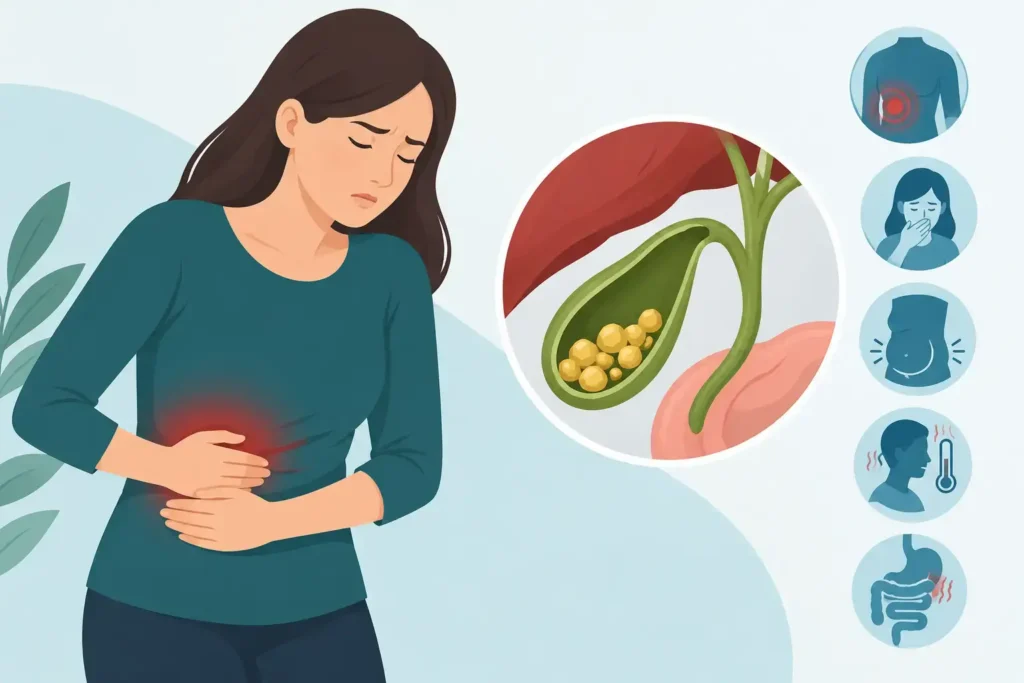
A burning, gnawing feeling in the upper abdomen can make even an ordinary meal feel risky. The best foods for gastritis are usually gentle, minimally processed choices that help you meet nutritional needs without adding unnecessary irritation. But food is only one part of the picture. Gastritis can result from H. pylori infection, anti-inflammatory medications, alcohol use, bile reflux, autoimmune disease, or other conditions that need medical attention.
For many people, the goal is not a highly restrictive diet. It is a short-term, practical eating pattern that reduces symptom triggers while a gastroenterologist identifies and treats the underlying cause.
What gastritis-friendly eating is designed to do
Gastritis means inflammation of the stomach lining. Symptoms may include upper abdominal pain or burning, nausea, bloating, early fullness, indigestion, or vomiting. Some people have gastritis with few or no symptoms, while others notice that meals make discomfort worse.
Food does not cause every case of gastritis, and no single menu heals the stomach lining for everyone. Still, certain foods tend to be easier to tolerate because they are lower in fat, less acidic, and less likely to provoke reflux or indigestion. Regular, smaller meals can also be more comfortable than going long periods without eating and then having a large meal.
Your personal triggers matter. A food that causes pain for one patient may be completely acceptable for another, especially if reflux, irritable bowel syndrome, medication side effects, or a food intolerance is also involved.
Best foods for gastritis: gentle options to start with
Start with simple foods and add variety as symptoms improve. Cooking methods matter as much as the food itself. Baked, steamed, poached, roasted, and lightly sauteed foods are generally easier on the stomach than fried or heavily seasoned options.
Oatmeal, rice, potatoes, and other mild starches
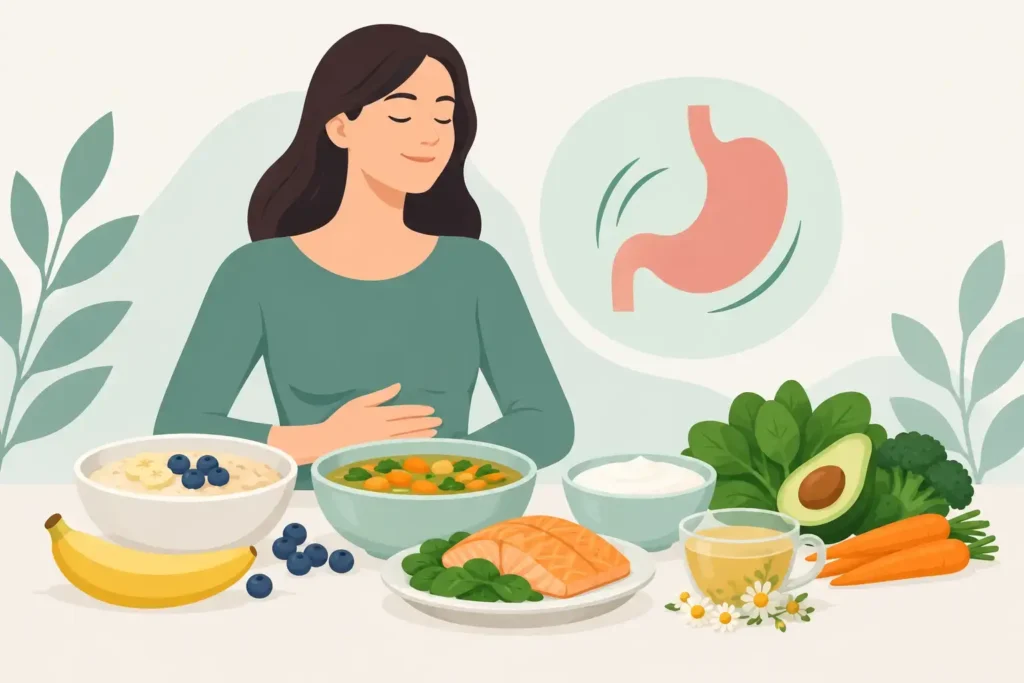
Oatmeal, plain rice, whole-grain toast, potatoes, sweet potatoes, and plain pasta are often well tolerated. These foods can provide steady energy without the richness of high-fat meals. Choose preparations that are simple: a baked potato instead of fries, oatmeal with banana instead of a sugary pastry, or rice alongside lean protein and cooked vegetables.
Whole grains can support overall digestive and metabolic health, but fiber needs vary. During a period of active nausea, pain, or early fullness, very high-fiber foods may feel uncomfortable. Softer grains and cooked foods are often a better starting point, with fiber increased gradually as tolerated.
Lean protein prepared simply
Protein supports regular meals and can help prevent the hunger that sometimes leads to overeating later in the day. Skinless chicken or turkey, fish, eggs, tofu, and beans or lentils may fit well, depending on your tolerance.
Choose grilled, baked, or poached preparations instead of breaded or fried versions. If beans cause gas or bloating, try a smaller portion, lentil soup, or tofu rather than avoiding plant-based protein altogether. Patients using GLP-1 medications for weight management may also experience nausea or early fullness, making smaller portions of lean protein especially useful.
Cooked vegetables and non-acidic fruits
Vegetables remain valuable for nutrition, but raw salads, onions, garlic, and heavily spiced vegetable dishes can aggravate symptoms for some people. Try cooked carrots, green beans, zucchini, spinach, squash, peas, or peeled potatoes. Soft textures are often easier to tolerate when the stomach is sensitive.
Bananas, melons, pears, applesauce, and peeled apples are common choices when gastritis symptoms are active. Citrus fruits and tomatoes are not harmful for every person, but their acidity can worsen burning or reflux in some cases. Rather than permanently eliminating them, consider pausing them during a flare and testing them again later in a small amount.
Lower-fat dairy or dairy alternatives
Plain low-fat yogurt, kefir, milk, or fortified non-dairy alternatives may work for some patients. Yogurt with live cultures can be a convenient source of protein, although it is not a treatment for H. pylori. If dairy causes cramping, bloating, or diarrhea, lactose intolerance could be contributing to symptoms.
Avoid assuming all dairy is problematic. The response to plain yogurt can be very different from the response to a high-fat milkshake, ice cream, or cheesy fried food.
Soothing drinks and adequate fluids
Water is the most reliable choice. Non-caffeinated herbal tea may also be comfortable for some people, although peppermint can worsen reflux in certain patients by relaxing the lower esophageal sphincter. Ginger tea or small amounts of ginger may ease nausea for some people, but it should not replace an evaluation for persistent symptoms.
Sip fluids throughout the day rather than drinking a large volume with meals if fullness is a concern. Limit alcohol completely while symptoms are active, since it can directly irritate the stomach lining.
Foods and habits that commonly worsen symptoms
A restrictive diet is rarely necessary, but it is reasonable to reduce foods that repeatedly trigger pain, burning, nausea, or reflux. Common culprits include fried foods, high-fat meats, spicy sauces, coffee and other caffeinated drinks, alcohol, carbonated beverages, chocolate, peppermint, citrus, tomatoes, and heavily processed snack foods.
The important word is commonly. Coffee, for example, may be a clear trigger for one person and tolerable in a small amount with food for another. Keeping a brief food-and-symptom record for one to two weeks can reveal patterns without turning every meal into a source of stress.
Eating habits can matter just as much. Large late-night meals, eating quickly, and lying down soon after eating can intensify upper digestive symptoms. Aim for smaller meals spaced through the day, eat slowly, and remain upright for at least two to three hours after dinner if reflux is part of the problem.
A simple day of eating during a flare
A gentle day might begin with oatmeal topped with banana and a side of low-fat yogurt, if tolerated. Lunch could be a baked chicken or tofu bowl with rice, cooked zucchini, and a small amount of olive oil. For dinner, try baked fish with a sweet potato and green beans. Snacks may include applesauce, crackers, a banana, or plain yogurt.
This is not a prescription, and it is not intended to be followed indefinitely. People with diabetes, kidney disease, celiac disease, inflammatory bowel disease, food allergies, or weight-management goals may need a more individualized plan. A clinician or registered dietitian can help maintain adequate protein, fiber, vitamins, and calories while reducing symptoms.
When diet changes are not enough
Persistent gastritis symptoms deserve more than guesswork. H. pylori is a bacterial infection that can cause chronic gastritis and peptic ulcers. It requires testing and, when present, prescription treatment. Avoid using over-the-counter acid reducers as a long-term strategy without discussing ongoing symptoms with a clinician, since medication choice and duration depend on the diagnosis.
Schedule a gastroenterology evaluation if pain continues, symptoms return frequently, or you are relying on antacids or acid-suppressing medication most days. Your care plan may include a review of medications such as ibuprofen, naproxen, or aspirin, which can irritate the stomach lining. Depending on your history, testing for H. pylori, blood work, or upper endoscopy may be recommended.
Seek urgent medical care for vomiting blood, black or tarry stools, fainting, severe or worsening abdominal pain, unexplained weight loss, trouble swallowing, persistent vomiting, or symptoms of anemia such as unusual fatigue or shortness of breath.
At NJ Gastroenterology & Health Wellness, board-certified specialists can evaluate stomach symptoms in the context of your full digestive and metabolic health history. The right plan may include nutrition guidance, medication adjustments, diagnostic testing, and treatment directed at the cause rather than a generic elimination diet.
Start with foods that feel gentle, keep meals simple and consistent, and pay attention to patterns. If your stomach is still asking for help, a personalized evaluation can provide the clarity that food changes alone cannot.