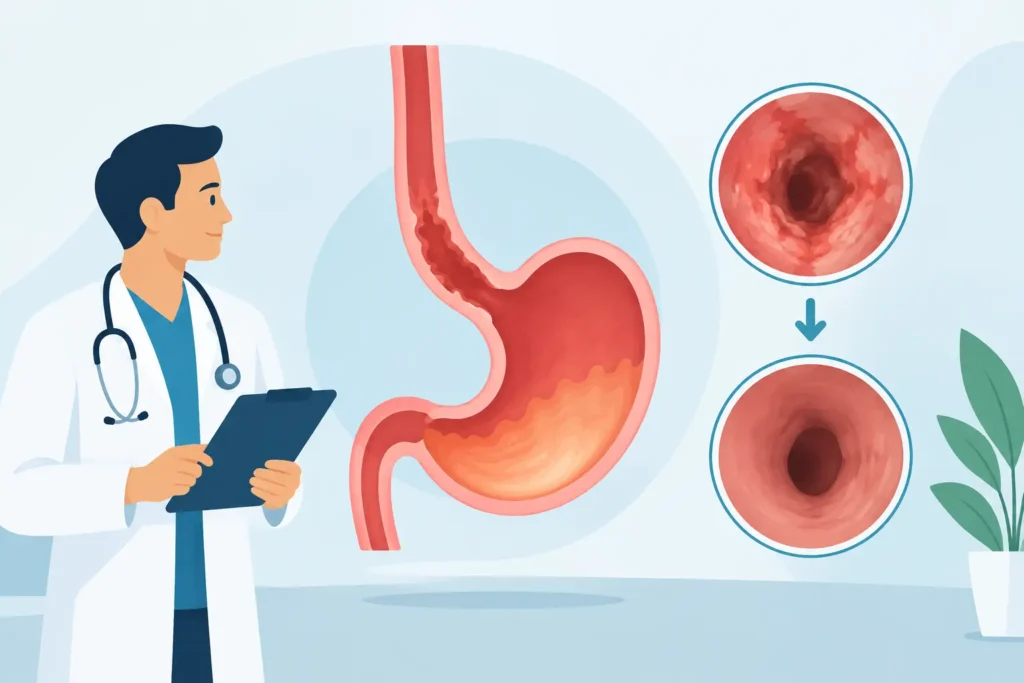

Persistent heartburn after dinner, bloating that makes clothing uncomfortable, or bowel habits that no longer feel predictable are not problems you should simply learn to live with. Understanding how to improve digestive health starts with recognizing that digestion is personal: the right plan depends on your symptoms, medical history, medications, eating pattern, metabolism, and, sometimes, an underlying gastrointestinal condition.
A healthy digestive system does more than process food. It supports nutrient absorption, immune function, energy, comfort, and regular bowel habits. For many adults, meaningful improvement comes from consistent daily habits. For others, especially those with ongoing pain, bleeding, unintended weight loss, or significant bowel changes, the most effective next step is a medical evaluation rather than another restrictive diet.
How to Improve Digestive Health With Daily Habits
The goal is not a perfect diet or a short cleanse. Sustainable digestive health usually comes from making gradual changes that your body can tolerate and maintain.
Build fiber slowly and consistently
Fiber supports regularity and helps nourish beneficial gut bacteria. It is found in vegetables, fruits, beans, lentils, whole grains, nuts, and seeds. Yet adding too much fiber too quickly can increase gas, cramping, and bloating, particularly for people with irritable bowel syndrome (IBS) or constipation.
Start by adding one fiber-rich food at a time and give your body a week or two to adjust. For example, you might add berries at breakfast, a vegetable at lunch, or beans to a few meals each week. If a food reliably worsens symptoms, that does not mean fiber is harmful. It may mean you need a different source, a smaller portion, or guidance from a clinician or registered dietitian.
Hydration matters here. Fiber works best when you drink enough fluid throughout the day. Without adequate fluids, increasing fiber may worsen constipation for some people.
Choose meals that support steady digestion
Large, high-fat meals, frequent alcohol use, heavily processed foods, and eating close to bedtime can trigger symptoms in susceptible people. This is especially common with acid reflux and GERD. Rather than eliminating every favorite food, look for patterns.
Keeping a simple food-and-symptom record for two weeks can be more useful than relying on memory. Note meal timing, portion size, foods and drinks, stress level, sleep, and symptoms. You may find that spicy food is not the problem by itself, but spicy food plus a late meal and alcohol is. That distinction makes dietary changes more realistic and less restrictive.
Regular meals can also help. Skipping meals all day and eating one oversized dinner may worsen reflux, abdominal discomfort, and irregular bowel habits. Aim for balanced meals that include protein, fiber-containing carbohydrates, and foods with unsaturated fats when appropriate for your health needs.
Move your body and protect your sleep
Gentle, regular movement supports intestinal motility, which is the coordinated motion that moves food and waste through the digestive tract. A walk after meals may reduce bloating for some people and can support blood sugar and metabolic health. You do not need an intense exercise program to benefit. Consistency is more valuable than occasional extremes.
Sleep and stress also affect the gut-brain connection. Poor sleep, anxiety, and chronic stress can heighten the sensitivity of the digestive tract, contributing to nausea, bowel urgency, constipation, abdominal pain, and IBS symptoms. Breathing exercises, counseling, a more predictable sleep schedule, and time away from screens before bed can be useful parts of a care plan. They do not mean symptoms are “all in your head.” They recognize that the brain and digestive system communicate constantly.
Know When Symptoms Need More Than Lifestyle Changes
Digestive symptoms are common, but common does not always mean harmless. Self-treatment can delay care when symptoms point to inflammation, infection, bleeding, ulcers, liver disease, or another condition requiring targeted treatment.
Schedule a medical evaluation if symptoms persist, recur often, interfere with daily life, or do not improve after reasonable lifestyle adjustments. A gastroenterology consultation can help separate food-related sensitivity from conditions such as GERD, IBS, celiac disease, inflammatory bowel disease, gallbladder disease, or medication side effects.
Seek prompt medical attention for:
- Blood in the stool or black, tar-like stools
- Unexplained weight loss or loss of appetite
- Severe or worsening abdominal pain
- Difficulty swallowing or food feeling stuck
- Persistent vomiting, dehydration, or fever
- New bowel changes, especially after age 45 or with a family history of colon cancer
These symptoms do not automatically mean a serious diagnosis, but they deserve careful assessment. Depending on your history, a physician may recommend lab work, stool testing, imaging, upper endoscopy, colonoscopy, or other diagnostic testing. Accurate diagnosis prevents unnecessary restriction and helps direct treatment toward the actual cause.
Digestive Health, Weight, and Metabolic Health Are Connected
Digestive comfort and metabolic health often overlap. Excess weight can increase the risk of GERD, fatty liver disease, sleep apnea, and metabolic syndrome. At the same time, chronic digestive symptoms can make it difficult to follow generic diet plans or maintain healthy activity habits.
This is why one-size-fits-all weight-loss programs often fall short. A plan that works for someone with uncomplicated weight concerns may not be appropriate for a patient with reflux, chronic constipation, fatty liver disease, Crohn’s disease, ulcerative colitis, or a history of bariatric surgery. Medical history, laboratory findings, medications, and personal goals should shape the approach.
For eligible patients, physician-supervised weight management may include nutrition counseling, behavioral support, metabolic evaluation, and FDA-approved medications such as semaglutide or tirzepatide. These medications can be effective tools, but they may also cause nausea, constipation, diarrhea, or reflux in some people, particularly during dose adjustments. A medically directed program helps manage side effects, monitor safety, and coordinate treatment with existing GI conditions.
At NJ Gastroenterology & Health Wellness, digestive, liver, metabolic, and weight-related concerns can be evaluated within one coordinated clinical model. That matters when symptoms and health goals do not fit neatly into one category.
Prevention Is Part of Digestive Health
Feeling well is valuable, but preventive care is equally important. Colon cancer screening can detect precancerous polyps before they become cancer and may identify disease before symptoms develop. For adults at average risk, screening commonly begins at age 45, though earlier screening may be needed with certain family histories, genetic risks, or symptoms.
If you have chronic reflux, do not assume over-the-counter medication is the only answer. Longstanding GERD can sometimes lead to complications, including Barrett’s esophagus. A gastroenterologist can determine whether medication adjustments, lifestyle changes, or upper endoscopy are appropriate.
Fatty liver disease also often develops quietly. It may be associated with insulin resistance, elevated cholesterol, obesity, and type 2 diabetes, even when a person has no obvious digestive symptoms. Addressing weight, nutrition, blood sugar, alcohol intake, and liver health early can reduce the risk of progression.
A Practical Next Step
Choose one change you can repeat this week: add a fiber-rich food gradually, take a 10-minute walk after dinner, stop eating two to three hours before bed, or track your symptoms and meals. Small patterns practiced consistently are more useful than aggressive changes abandoned after a few days.
If symptoms are persistent, disruptive, or concerning, do not try to solve them through guesswork alone. A board-certified gastroenterology evaluation can provide answers, protect your long-term health, and create a treatment plan built around your body and your goals.