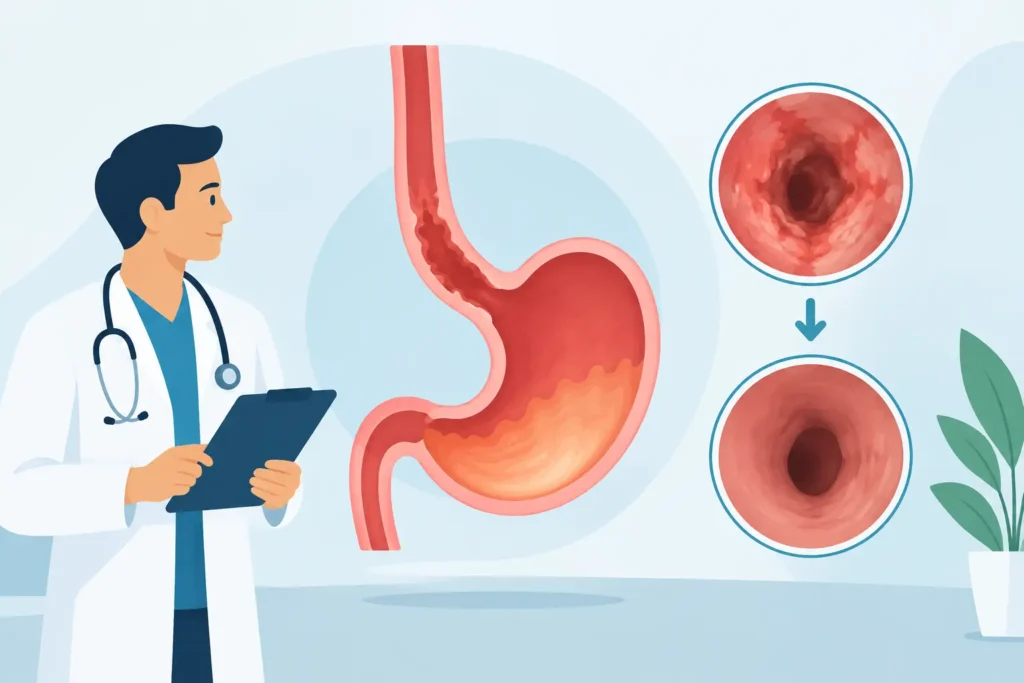

People searching for gastric balloon medication are often looking for a less invasive way to lose weight without bariatric surgery. The phrase can be confusing because a gastric balloon is a temporary medical device, not a medication. Prescription weight-loss medications, including GLP-1-based treatments, work differently. Both can be useful tools, but the right choice depends on your medical history, digestive health, weight-related conditions, treatment goals, and comfort with the process.
At NJ Gastroenterology & Health Wellness, weight management is approached as medical care, not a one-size-fits-all program. A physician-guided plan can account for concerns that often travel with excess weight, including fatty liver disease, reflux, prediabetes, high blood pressure, sleep apnea, and digestive symptoms.
What Does Gastric Balloon Medication Mean?
A gastric balloon is placed in the stomach to take up space and help a person feel full with smaller portions. Depending on the type of balloon, it may be placed during an endoscopic procedure or swallowed as a capsule and later filled. The device stays in place for a limited period, commonly several months, and is then removed or passes naturally, depending on the system used.
It does not change hunger hormones or metabolism in the same way medication can. Instead, it creates a physical feeling of earlier fullness. Patients still need to make consistent nutrition, activity, and behavior changes while the balloon is in place. The temporary period is intended to support new habits that can continue after treatment ends.
By contrast, medical weight-loss medications are prescribed drugs. GLP-1 receptor agonists and related medications may reduce appetite, slow stomach emptying, improve blood sugar regulation, and support clinically meaningful weight loss for eligible patients. Semaglutide and tirzepatide are examples of medications that may be considered as part of a physician-supervised treatment plan.
Gastric Balloon vs. Weight-Loss Medication
Neither option is automatically better. A gastric balloon may appeal to someone who wants a time-limited device-based treatment and does not want to take a long-term injectable medication. Medication may be a more appropriate option for a patient who would benefit from ongoing metabolic treatment, has diabetes or prediabetes, or prefers to avoid an endoscopic procedure.
A balloon involves a procedure and a short adjustment period. Nausea, cramping, reflux, and vomiting can occur, particularly in the first days after placement. Rare complications can include balloon deflation, obstruction, or ulcer-related problems. People with certain stomach conditions, prior gastrointestinal surgeries, large hiatal hernias, or uncontrolled reflux may not be appropriate candidates.
Medications have their own considerations. GLP-1-based medications commonly cause nausea, constipation, diarrhea, or abdominal discomfort, especially as doses increase. They are not right for everyone and require careful screening for medical contraindications, medication interactions, and symptoms that could signal a gastrointestinal concern. Patients with persistent nausea, trouble swallowing, significant abdominal pain, or unexplained bowel changes should be evaluated rather than assuming a weight-loss treatment is the answer.
The practical difference is also important: a balloon is designed for temporary use, while medication can be continued when it remains safe, effective, and appropriate. Weight regain can happen after either treatment if follow-up support and sustainable habits are not in place.
Who May Be a Candidate for a Gastric Balloon?
Gastric balloons are generally considered for adults with overweight or obesity who have not reached their goals through lifestyle changes alone and who do not meet criteria for, or do not want, weight-loss surgery. Eligibility varies by balloon type, body mass index, medical history, and FDA-approved indications.
A proper evaluation goes beyond a number on the scale. Your physician should review prior weight-loss efforts, current medications, eating patterns, alcohol use, emotional and physical factors affecting weight, and conditions such as diabetes, fatty liver disease, GERD, or sleep apnea. For patients with digestive symptoms, understanding the cause is particularly important before choosing a treatment that affects stomach function.
For example, frequent heartburn may call for a reflux evaluation before a balloon is considered. Elevated liver enzymes may point to fatty liver disease that needs active management alongside weight loss. A history of inflammatory bowel disease, stomach ulcers, or prior gastrointestinal surgery may change the conversation entirely.
Why a GI and Metabolic Evaluation Matters
Weight and digestive health are closely connected. Some people have difficulty losing weight because of insulin resistance, disrupted sleep, medication effects, mobility limitations, or untreated metabolic disease. Others avoid food or experience irregular eating patterns because of reflux, bloating, abdominal pain, or bowel symptoms.
A physician-led evaluation helps distinguish what may be contributing to weight gain from what may be a separate digestive condition requiring diagnosis and treatment. This is one reason commercial programs that offer medication without a comprehensive review may not be the right fit for every patient.
What to Expect From Physician-Guided Care
A safe weight-management plan begins with a consultation, not a quick prescription or procedure booking. Your clinician may review your health history, measure metabolic risk factors, discuss previous approaches, and consider laboratory testing or additional GI evaluation when indicated.
If a gastric balloon is a potential option, you should understand the placement process, required follow-up, diet progression, expected side effects, removal plan, and out-of-pocket costs. Insurance coverage for balloons varies widely. You should also know what to do if you develop severe or persistent symptoms after placement.
If medication is being considered, the plan should include dose titration, side-effect monitoring, nutrition guidance, and regular assessment of results. Effective care does not stop when a prescription is written. It includes help building meals that support fullness and adequate protein, protecting lean muscle through appropriate activity, managing constipation or nausea, and planning for maintenance.
Questions to Ask Before Choosing Treatment
Before deciding between a balloon, medication, or another approach, ask how the treatment fits your health needs rather than focusing only on the amount of weight you hope to lose. Useful questions include whether you have digestive conditions that need evaluation first, how long treatment is expected to last, what follow-up is included, and what happens if side effects limit the plan.
It is also reasonable to ask about the expected range of weight loss, not a guaranteed number. Results vary based on the treatment selected, starting health status, adherence, dose or device type, and the support surrounding the treatment. A responsible medical team will discuss benefits and limitations clearly.
The Best Plan Is One You Can Sustain
Weight management is most successful when it supports your overall health, not when it forces you into an approach that does not fit your life or medical needs. For one person, that may mean a gastric balloon paired with structured nutrition coaching. For another, it may mean GLP-1 medication with close monitoring of reflux or constipation. For someone else, treating fatty liver disease, sleep apnea, or an underlying GI issue may be the first meaningful step.
If you are considering a gastric balloon or prescription medication for weight loss, schedule a medical consultation that looks at the full picture. The goal is not simply to choose the newest option. It is to create a safe, personalized path toward better metabolic health, improved digestive comfort, and results you can maintain.