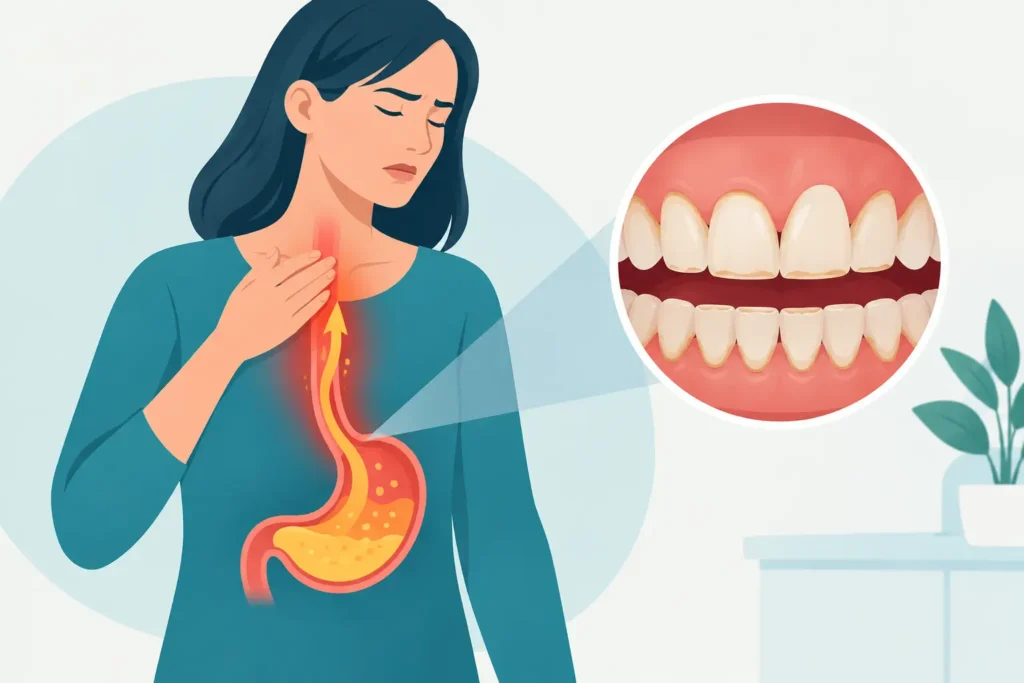
A dentist may be the first clinician to spot a possible sign of chronic reflux: smooth, thinning tooth enamel that seems to be wearing away without an obvious explanation. So, can GERD damage teeth? Yes. Repeated exposure to stomach acid can erode enamel, raising the risk of sensitivity, discoloration, cavities, and changes in the shape of the teeth.
This does not mean every cavity, sensitive tooth, or worn edge is caused by gastroesophageal reflux disease (GERD). Teeth can also erode from frequent acidic drinks, dry mouth, grinding, certain medications, and other conditions. But when dental changes occur alongside heartburn, regurgitation, a chronic cough, hoarseness, or a sour taste in the mouth, reflux deserves a closer look.
How GERD can damage teeth
GERD occurs when stomach contents repeatedly flow backward into the esophagus. Those contents can include acid strong enough to irritate the lining of the esophagus and, when it reaches the mouth, soften the mineral surface of teeth.
Enamel is the hard, protective outer layer of each tooth. Unlike some other tissues, it does not regenerate once it has been lost. After acid exposure, enamel may temporarily soften. If that exposure happens often, or if teeth are brushed immediately afterward, the softened surface can wear down more quickly.
Dental erosion related to reflux may affect the tongue-facing surfaces of the upper teeth and the chewing surfaces of back teeth, though the pattern can vary. A dentist may notice that teeth look smoother, more translucent, or shorter than before. Fillings may appear raised as the surrounding enamel wears away.
The degree of damage depends on several factors: how often reflux occurs, how long acid remains in the mouth, saliva production, dietary acid exposure, oral hygiene habits, and whether a person clenches or grinds their teeth. Occasional reflux is less likely to cause substantial dental erosion than persistent, untreated symptoms.
Signs your teeth may be affected by reflux
Tooth damage is not always painful at first. Enamel erosion can progress gradually, which is why regular dental visits are valuable. Early evaluation gives your dental and GI teams a chance to address the cause before more extensive restorative care is needed.
Symptoms that may suggest enamel wear include increased sensitivity to cold, hot, sweet, or acidic foods; teeth that appear yellow because the layer beneath the enamel is more visible; rough or thinning edges; and frequent cavities. Some people also notice that their teeth chip more easily or that dental restorations no longer feel smooth.
Reflux itself does not always feel like classic burning heartburn. Some patients have regurgitation, nighttime cough, throat clearing, hoarseness, a sensation of a lump in the throat, chest discomfort, or a bitter taste after lying down. Others may have “silent” reflux symptoms with little or no burning sensation.
A dental finding alone cannot diagnose GERD. However, it can be an important reason to discuss symptoms and medical history with a board-certified gastroenterology provider.
What to do after acid reaches your mouth
A common instinct is to brush immediately after reflux or vomiting. That can actually increase wear if enamel has been softened by acid. Instead, rinse your mouth with plain water first and wait about 30 to 60 minutes before brushing. Use a soft-bristled toothbrush and fluoride toothpaste when you do brush.
Sugar-free gum can be helpful for some people after meals because chewing stimulates saliva, which helps clear acid and support the mouth’s natural buffering process. This is not appropriate for everyone, particularly if gum worsens bloating or causes jaw discomfort, so use the approach that is comfortable for you.
Reducing repeated acid exposure matters most. Limit frequent sipping of soda, sports drinks, citrus beverages, and other acidic drinks, especially when reflux is active. Avoid holding acidic beverages in the mouth, and do not use lemon water as an all-day drink if enamel erosion is already a concern.
Your dentist may recommend fluoride treatments, prescription-strength fluoride toothpaste, protective restorations, or a night guard if grinding is also contributing to wear. These measures can protect remaining tooth structure, but they work best alongside treatment for the underlying reflux.
Treating reflux protects more than your teeth
GERD treatment should be based on your symptoms, medical history, medication use, and risk factors. For some patients, practical changes can reduce reflux episodes: eating smaller meals, avoiding meals close to bedtime, identifying personal food triggers, limiting alcohol, and elevating the head of the bed for nighttime symptoms.
Weight can also be part of the clinical picture. Excess abdominal pressure may worsen reflux in some patients, and medically supervised weight management can improve both digestive and metabolic health when appropriate. The right plan is individual. Restrictive diets or commercial programs are not a substitute for evaluating persistent reflux symptoms and the health conditions that may be connected to them.
Acid-reducing medications, including proton pump inhibitors and H2 blockers, may be recommended depending on the situation. These medications can be highly effective when used appropriately, but they should be selected and monitored by a clinician. Do not start, stop, or continue long-term reflux medication solely because of dental symptoms without discussing your care plan.
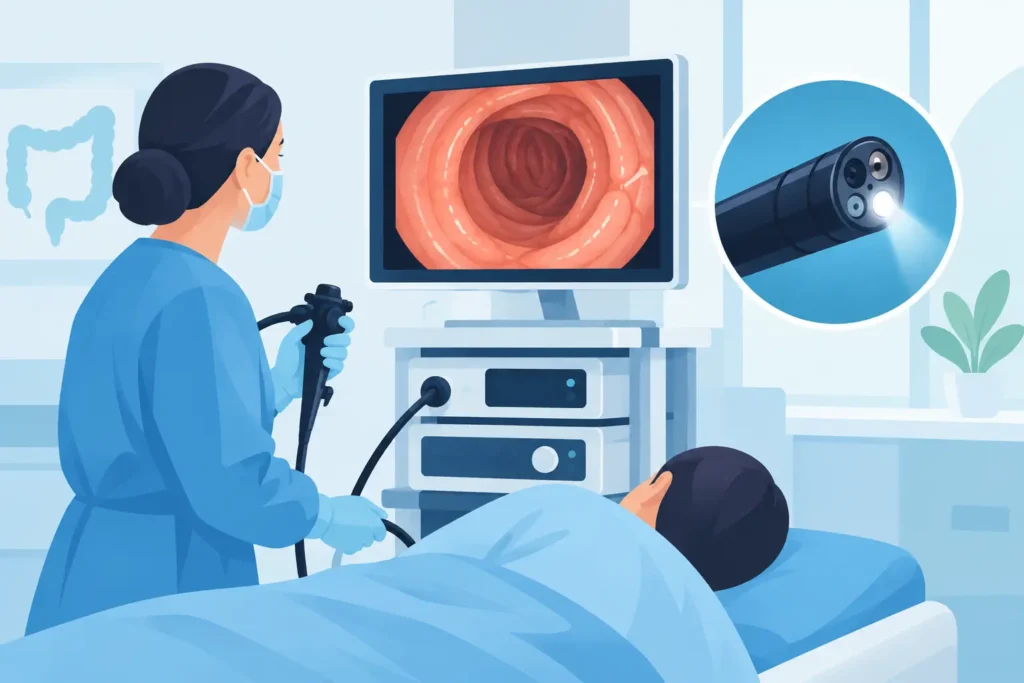
When symptoms are frequent, do not respond to initial treatment, or raise concern for complications, an upper endoscopy may be recommended. This procedure allows a gastroenterologist to examine the esophagus and stomach for inflammation, narrowing, ulcers, or changes associated with Barrett’s esophagus. It also helps guide a treatment plan based on what is actually happening, rather than assumptions.
When to schedule a GI evaluation
Make an appointment if you have heartburn or regurgitation more than twice a week, symptoms that wake you from sleep, ongoing throat symptoms, or dental erosion without a clear cause. A coordinated approach between your dentist and GI provider can help distinguish GERD from other possible causes and address both the immediate tooth-protection needs and the source of acid exposure.
Seek prompt medical evaluation for trouble swallowing, food sticking in the chest, painful swallowing, unexplained weight loss, vomiting blood, black stools, persistent vomiting, or anemia. New or severe chest pain should be treated as an emergency, especially when it is accompanied by shortness of breath, sweating, nausea, or pain spreading to the arm, jaw, or back.
At NJ Gastroenterology & Health Wellness, care begins with listening to your symptoms, history, goals, and concerns. A personalized evaluation can determine whether reflux management, advanced diagnostic testing, nutrition guidance, or coordinated metabolic care may be appropriate.
A healthier path for your smile and digestive system
Dental enamel cannot grow back, but early action can slow or stop further erosion. Keep your routine dental visits, tell your dentist about reflux symptoms, and bring any dental concerns to your GI consultation. Treating persistent reflux is not only about relief from heartburn – it is about protecting the esophagus, supporting sleep and daily comfort, and preserving the healthy teeth you already have.