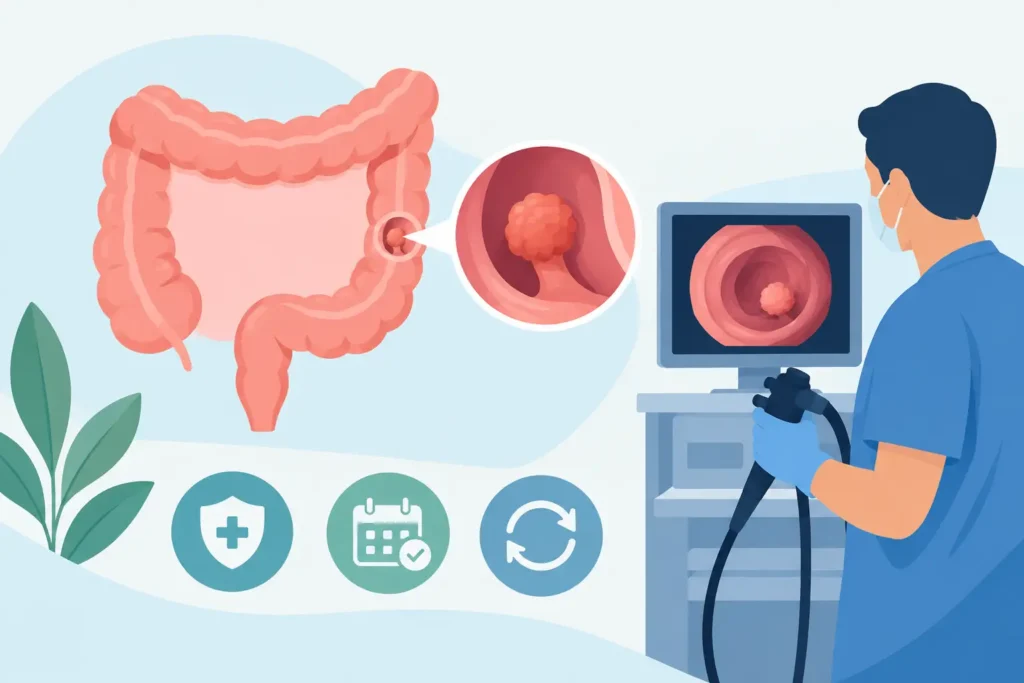
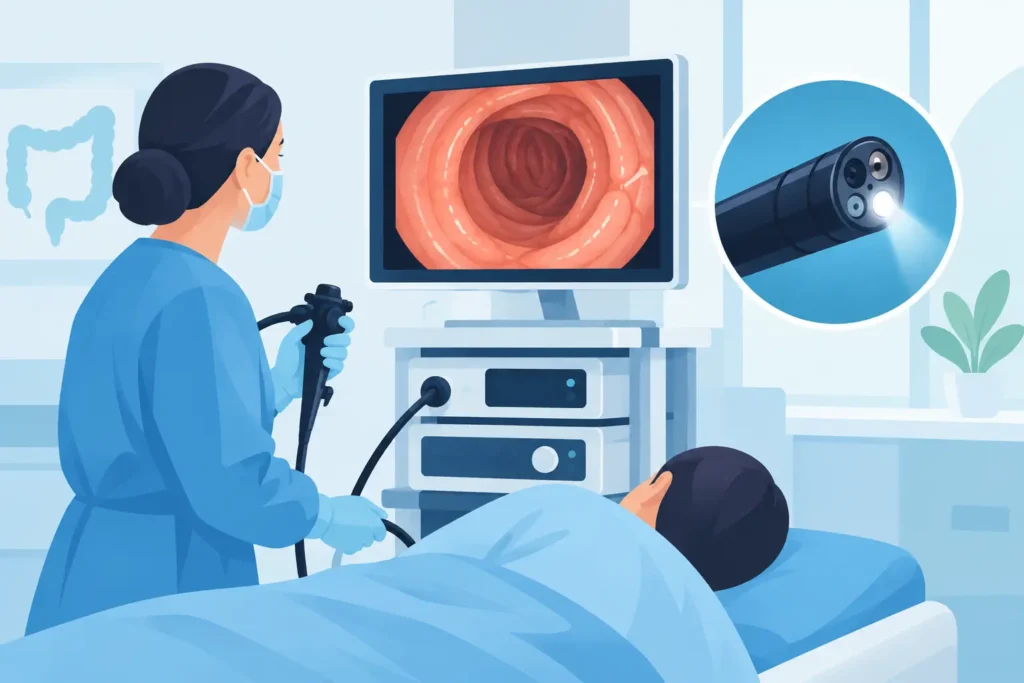
A colonoscopy is not simply a test to complete and forget. It is one of the most effective opportunities to prevent colorectal cancer because a gastroenterologist can identify and remove many precancerous polyps during the same procedure. Recent advances in colonoscopy technology are making that opportunity more precise, more comfortable, and more personalized for patients.
For adults in New Jersey who are due for screening, have a family history of colorectal cancer, or are experiencing concerning bowel changes, the question is not whether technology replaces an experienced physician. It does not. The goal is to pair board-certified clinical judgment with tools that help the physician inspect the colon carefully, recognize subtle abnormalities, and provide the right next step based on each patient’s history.
How Advances in Colonoscopy Technology Improve Screening
Modern colonoscopes produce far sharper images than earlier generations. High-definition imaging gives the gastroenterologist a detailed view of the lining of the colon, helping make small, flat, or subtly colored polyps easier to see. These lesions can be difficult to recognize because they may blend into surrounding tissue rather than protrude clearly into the colon.
Image-enhancement technologies can add another layer of detail. Depending on the system and clinical situation, the physician may use virtual chromoendoscopy or other light-filtering methods to emphasize surface patterns and blood vessels. This can help distinguish normal tissue from an area that deserves closer inspection or removal.
These tools support careful examination, but they do not make every lesion automatically visible. Detection still depends on the quality of the bowel preparation, the time spent examining the colon, the patient’s anatomy, and the gastroenterologist’s training and technique. Technology is most valuable when it strengthens a quality-focused procedure rather than becoming a substitute for it.
Artificial Intelligence as a Second Set of Eyes
One of the most discussed developments is computer-aided detection, often called AI-assisted colonoscopy. During the procedure, software analyzes the live video feed and may highlight areas that appear suspicious for a polyp. The gastroenterologist remains fully responsible for evaluating the finding and deciding whether tissue should be removed or observed.
AI can be particularly helpful for subtle or small polyps that might otherwise be easier to overlook. At the same time, it can flag harmless folds, stool, bubbles, or normal tissue. That means it may increase attention to potential findings without eliminating the need for physician expertise. A highlighted area is not a diagnosis, and it does not automatically mean cancer.
For patients, the practical benefit is straightforward: AI may provide an additional safety check during screening. Whether it is appropriate depends on the endoscopy center’s available technology and your individual clinical needs.
Better Views, More Complete Examination
The colon has natural curves, folds, and turns that can create hard-to-see areas. Newer scope designs, wider-angle views, and specialized attachments can help physicians inspect behind folds and improve visualization in selected cases. Some devices are designed to flatten folds gently as the scope is withdrawn, which may reveal tissue that was initially hidden.
Water-assisted techniques may also be used during insertion. Rather than relying only on air to open the colon, the physician can use water to help navigate the colon and clear residual material. For some patients, this approach may reduce discomfort or improve visibility. The best technique varies based on the patient’s anatomy, preparation quality, prior procedures, and the physician’s assessment during the exam.
Carbon dioxide insufflation is another advancement that can improve the recovery experience. The colon must be gently expanded so the lining can be examined. Carbon dioxide is absorbed by the body more quickly than room air, which may reduce bloating and cramping after the procedure for many patients.
Technology That Supports Safe Polyp Removal
Colonoscopy is preventive because it can become therapeutic in the same visit. If a polyp is found, it can often be removed immediately using specialized snares and electrosurgical tools. For larger, flatter, or more complex lesions, advanced techniques such as endoscopic mucosal resection may allow removal without traditional surgery in appropriate cases.
The choice of removal method depends on the size, shape, location, and appearance of the polyp, as well as the patient’s medications and medical history. A patient taking blood thinners, for example, may need individualized instructions before and after the procedure. Some lesions require referral for advanced endoscopic treatment or surgical evaluation rather than routine removal.
Tissue retrieved during colonoscopy is sent to a pathology laboratory. The final pathology result, not the appearance alone, helps determine when the next colonoscopy should occur. This is why personalized follow-up matters. Two patients may both have polyps removed but receive different surveillance recommendations based on the number, type, size, and microscopic features of those polyps.
What Technology Cannot Replace: Preparation and Prevention
The most advanced imaging system cannot fully overcome an inadequate bowel preparation. Residual stool or liquid can hide polyps and may lead to an incomplete exam or an earlier repeat procedure. Following preparation instructions closely is one of the most meaningful ways a patient can contribute to an accurate colonoscopy.
Your care team may recommend a split-dose bowel preparation, which means taking part of the preparation the evening before and the remainder closer to the procedure. This approach is commonly used because it can improve cleansing quality. Tell your gastroenterology team about constipation, diabetes, kidney disease, heart conditions, prior difficulty with preparation, and all prescription or over-the-counter medications. Your instructions may need to be adjusted for safety and effectiveness.
Screening should also begin at the right time. For average-risk adults, colorectal cancer screening generally starts at age 45. People with a first-degree relative who has had colorectal cancer or advanced polyps, a personal history of polyps, inflammatory bowel disease, or certain inherited conditions may need screening earlier or more often.
Symptoms deserve evaluation regardless of age. Rectal bleeding, a persistent change in bowel habits, unexplained iron-deficiency anemia, ongoing abdominal pain, or unexplained weight loss should be discussed with a physician. A colonoscopy performed because of symptoms is diagnostic, not routine screening, and the appropriate timing depends on the clinical picture.
Choosing a Colonoscopy Team That Focuses on Quality
When you schedule a colonoscopy, it is reasonable to ask about the practice’s approach to quality, sedation, preparation support, and follow-up. Comfortable care is not just about the day of the procedure. It includes clear instructions beforehand, a thorough review of your health history, monitoring during sedation, and understandable pathology and surveillance guidance afterward.
At NJ Gastroenterology & Health Wellness, care is guided by board-certified expertise and an individualized understanding of your digestive, liver, metabolic, and overall health. That broader perspective can matter when colonoscopy planning intersects with conditions such as inflammatory bowel disease, fatty liver disease, obesity, diabetes, or medications used for medical weight management.
New technology can strengthen colon cancer prevention, but the most meaningful next step is still personal: schedule a conversation with a qualified gastroenterology team, share your history and concerns, and make a screening plan you can follow with confidence.