A dull ache beneath the right rib cage can be unsettling, especially when you have been told you have fatty liver disease or have risk factors such as excess weight, diabetes, high cholesterol, or high triglycerides. So, can fatty liver cause pain? It can, but pain is not the most common symptom, and it should not automatically be blamed on the liver without a medical evaluation.
Fatty liver disease is often silent. Many people learn they have it only after routine blood work or an imaging study shows changes in the liver. When discomfort does occur, it may be related to liver enlargement or inflammation. It may also come from a different digestive, gallbladder, muscular, or medical condition that deserves its own attention.
Can Fatty Liver Cause Pain in the Upper Right Abdomen?
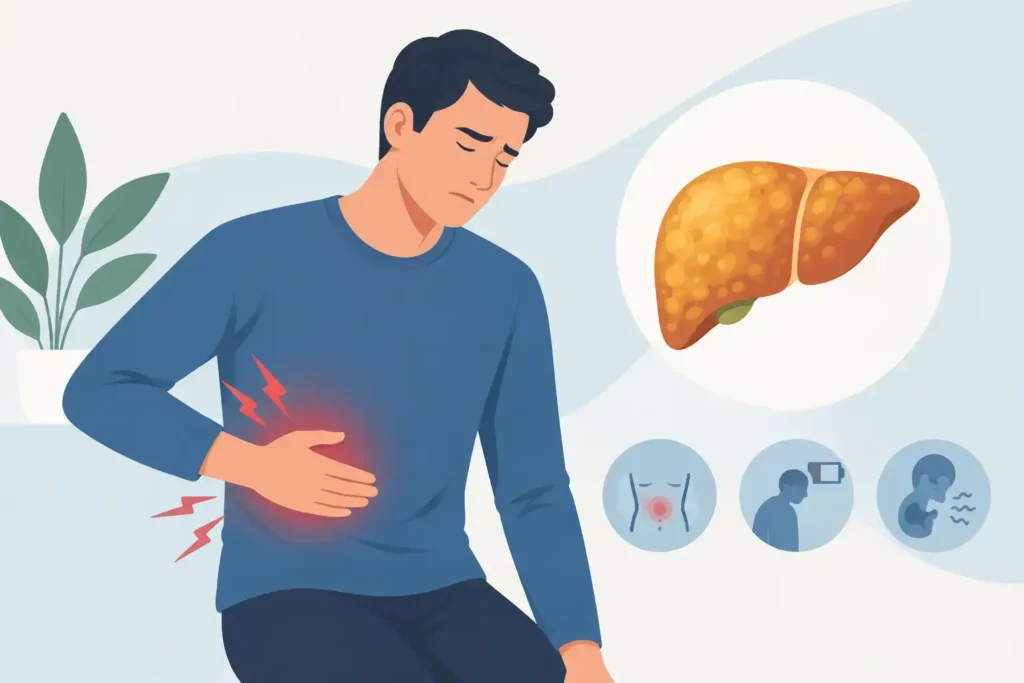
The liver itself has very few pain-sensitive nerves. However, it is surrounded by a thin capsule that can stretch when the liver becomes enlarged. In some people, fat buildup and inflammation can enlarge the liver enough to create a sensation of pressure, fullness, or a dull ache in the upper right abdomen.
This discomfort is usually not sharp or severe. Patients may describe a vague heaviness under the right ribs, mild tenderness, or a feeling of fullness after eating. Fatigue is another common but nonspecific complaint. These symptoms can occur with fatty liver disease, but they do not confirm it.
There are two main forms of fatty liver disease. Metabolic dysfunction-associated steatotic liver disease, previously often called nonalcoholic fatty liver disease or NAFLD, is closely associated with insulin resistance, obesity, elevated blood sugar, abnormal cholesterol levels, and high blood pressure. Alcohol-related fatty liver disease occurs when alcohol intake contributes to fat accumulation and liver injury. Either form can progress from simple fat buildup to liver inflammation, fibrosis, cirrhosis, and, in some cases, liver cancer.
Pain alone does not tell us where a person falls on that spectrum. A comprehensive evaluation helps determine whether the liver is inflamed, scarred, or simply storing excess fat.
Other Conditions That Can Feel Like Liver Pain
The right upper abdomen contains several organs and structures. Gallbladder disease is a common reason people assume they have liver pain. Gallstones or gallbladder inflammation may cause more intense pain after a rich or fatty meal, often with nausea and sometimes pain that spreads to the right shoulder or back.
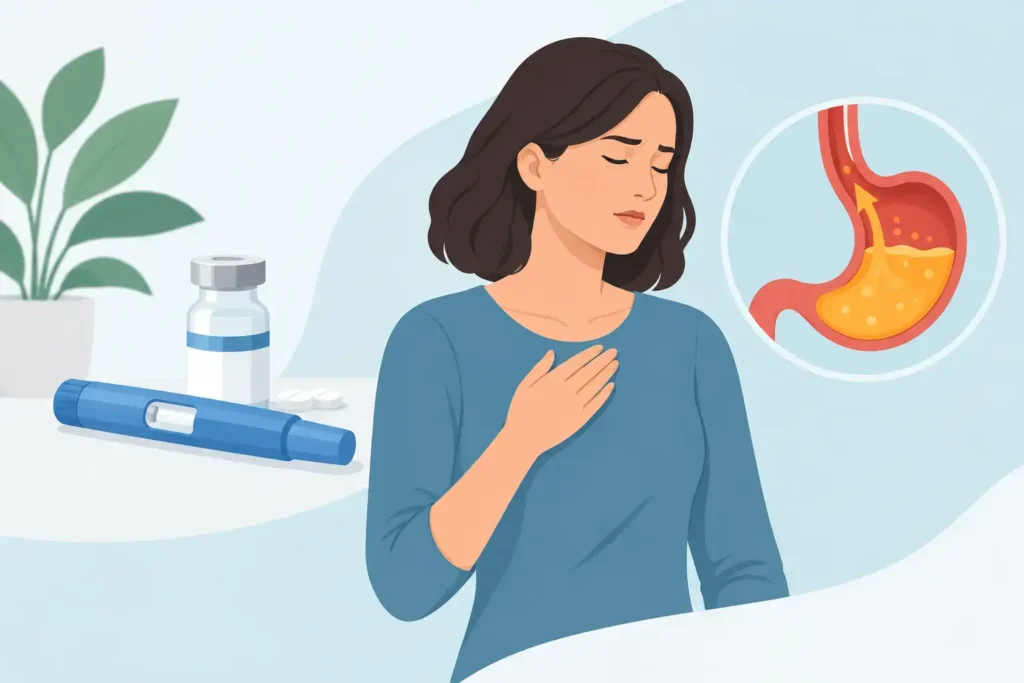
Acid reflux, peptic ulcers, pancreatitis, constipation, irritable bowel syndrome, and muscle strain can also produce discomfort in the upper abdomen. Less commonly, pain in this area may be related to the lungs, kidneys, or heart. Because the causes overlap, self-diagnosis can delay appropriate treatment.
A clinician will consider the character of the pain, when it occurs, its relationship to meals or movement, your medications and alcohol use, and your personal and family medical history. This context matters. For example, mild fullness found alongside abnormal liver enzymes and metabolic risk factors calls for a different workup than sudden, severe pain after a meal.
When Abdominal Pain Needs Prompt Care
Most mild, persistent abdominal discomfort should be evaluated in a timely outpatient visit. Some symptoms, however, can signal a more urgent problem. Seek prompt medical attention for:
- Severe, worsening, or persistent abdominal pain
- Fever, chills, repeated vomiting, or inability to keep fluids down
- Yellowing of the skin or eyes, dark urine, or pale stools
- Vomiting blood, black or bloody stools, or unusual bruising
- New confusion, marked sleepiness, abdominal swelling, chest pain, or shortness of breath
Jaundice, fluid buildup in the abdomen, confusion, and gastrointestinal bleeding can occur in advanced liver disease, though they may also have other causes. They should never be managed by waiting to see whether symptoms pass.
How Fatty Liver Disease Is Evaluated
A liver evaluation is not based on symptoms alone. Normal liver enzyme levels do not always rule out fatty liver disease or significant scarring, and elevated levels can occur for reasons beyond fatty liver. The goal is to identify the cause of liver changes and assess whether fibrosis, or liver scarring, is present.
Your evaluation may include a review of alcohol intake, prescribed and over-the-counter medications, supplements, medical conditions, and family history. Blood tests can assess liver enzymes, bilirubin, blood counts, blood sugar, cholesterol, triglycerides, viral hepatitis, and other potential causes of liver injury.
Imaging can identify fat in the liver and evaluate nearby organs, including the gallbladder. Depending on your history and results, your gastroenterologist may use noninvasive fibrosis assessment tools to estimate the likelihood of liver scarring. In selected cases, more advanced imaging or a liver biopsy may be appropriate.
This step matters because people with simple steatosis may benefit most from focused metabolic and lifestyle treatment, while those with significant fibrosis need closer monitoring and a more intensive care plan. An individualized approach avoids both undertreating meaningful liver disease and causing unnecessary alarm.
What Helps Fatty Liver Improve?
For many patients, fatty liver disease can improve when the underlying metabolic drivers are addressed. A realistic treatment plan is more effective than a short-term, overly restrictive diet. Even modest, sustained weight loss may reduce liver fat, while greater weight loss may improve inflammation and fibrosis for some people.
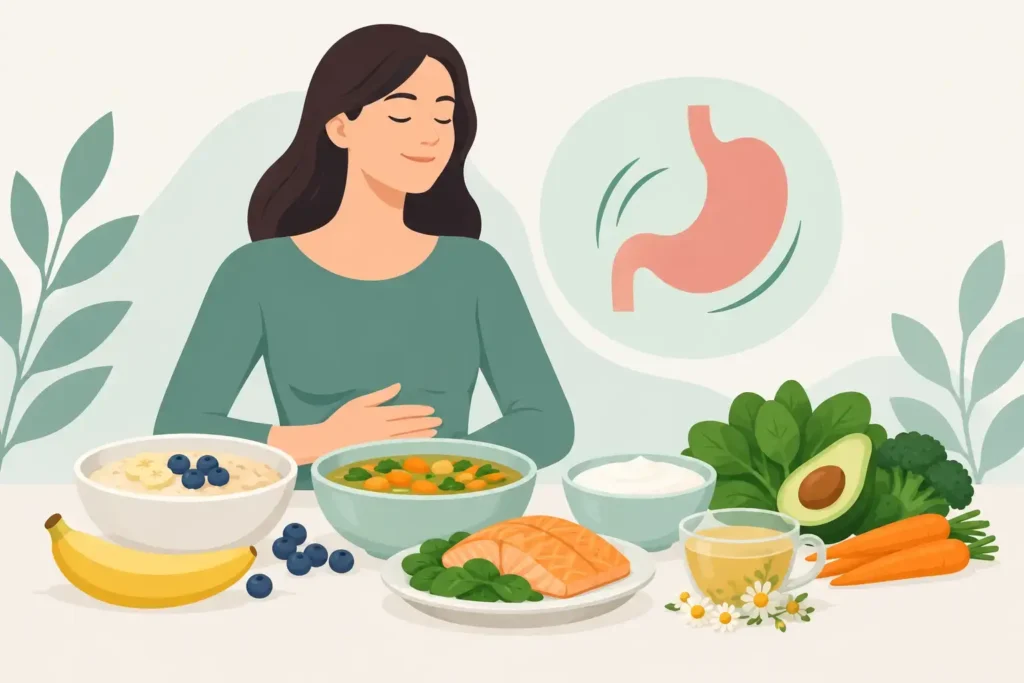
The right plan depends on your health profile. Nutrition guidance often focuses on reducing highly processed foods, added sugars, sugar-sweetened beverages, and excess saturated fat while building meals around vegetables, fiber-rich carbohydrates, lean proteins, and unsaturated fats. Regular physical activity supports liver health and insulin sensitivity even before substantial weight loss occurs.
Alcohol use should be discussed openly with your physician. For someone with alcohol-related liver disease, stopping alcohol is essential. For metabolic fatty liver disease, the safest amount can depend on the degree of liver injury, medications, and other health factors. A clinician can provide guidance tailored to your situation.
Patients with obesity, prediabetes, type 2 diabetes, or other metabolic concerns may also benefit from physician-supervised medical weight management. For eligible patients, medications such as GLP-1-based therapies may be considered as part of a broader plan that includes nutrition, activity, monitoring, and treatment of related conditions. These medications are not a substitute for liver evaluation, and they are not right for everyone, but they can be valuable tools when selected and monitored appropriately.
A Coordinated Plan for Liver and Metabolic Health
Fatty liver disease rarely exists in isolation. It often overlaps with weight changes, insulin resistance, elevated cholesterol, sleep apnea, reflux, and cardiovascular risk. Treating only one piece can leave the underlying drivers unaddressed.
At NJ Gastroenterology & Health Wellness, board-certified specialists can evaluate persistent abdominal symptoms, assess fatty liver risk, and coordinate gastroenterology and physician-directed metabolic care when appropriate. Your plan may include diagnostic testing, nutrition support, lifestyle coaching, medication review, and long-term monitoring based on your individual results and goals.
If you are experiencing recurring right-sided abdominal discomfort, have abnormal liver tests, or have been told you have fatty liver, scheduling an evaluation is a practical next step. The answer may be straightforward, but you deserve clarity and a plan that protects both your liver health and your overall well-being.