
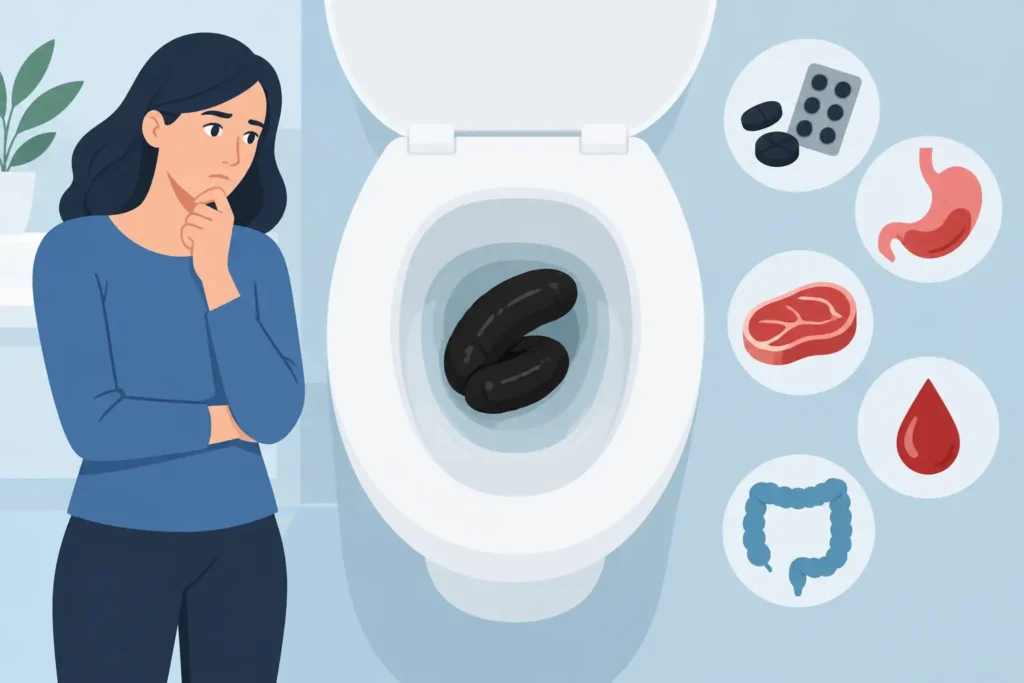
A bowel movement can reveal more about your health than most people expect. If you are asking, “why is stool black,” the answer may be as simple as an iron supplement or as urgent as bleeding higher in the digestive tract. The details matter: whether the stool is sticky and tar-like, how long the change has lasted, which medications you take, and whether you have other symptoms.
Black stool is not always an emergency, but it should not be ignored – especially when it is new, unexplained, or paired with feeling unwell. A gastroenterology evaluation can identify the source and help you move forward with an appropriate treatment plan.
Why Is Stool Black? Understanding the Main Causes
Stool normally ranges from light to dark brown because bile pigments change as food moves through the intestines. It can look black when something dark passes through the digestive system, or when blood has been digested before it leaves the body.
The clinical term for black, sticky, foul-smelling stool caused by digested blood is melena. Blood is naturally red when bleeding occurs close to the rectum. When bleeding begins in the esophagus, stomach, or first part of the small intestine, digestive enzymes alter the blood as it travels through the GI tract. The result can be jet-black, shiny, tarry stool.
Not every dark stool is melena. Foods, supplements, and medicines can also change stool color without indicating internal bleeding. The distinction is not always obvious at home, which is why persistent or unexplained black stool deserves medical attention.
Foods and supplements that may darken stool
Certain foods can temporarily make stool look very dark. Common examples include black licorice, blueberries, dark chocolate, beets, and foods colored with dark dyes. In most cases, the color change resolves after the food has cleared your system and is not accompanied by weakness, abdominal pain, or a tarry texture.
Iron supplements are another frequent cause. Oral iron can cause stool to turn dark green or black, and this is often expected. Still, do not assume iron is the full explanation if the stool is sticky or tar-like, if you develop new symptoms, or if the change differs from your usual experience on the supplement.
Bismuth-containing stomach remedies can also darken stool and sometimes the tongue. This effect is typically harmless and temporary, but it is still wise to discuss persistent symptoms with your clinician rather than self-treating ongoing stomach concerns.
Medication-related bleeding
Some medications do not color stool directly but can raise the risk of a gastrointestinal bleed. These include nonsteroidal anti-inflammatory drugs, or NSAIDs, such as ibuprofen and naproxen; aspirin; blood thinners; antiplatelet medications; and certain steroids when used with other risk factors.
NSAIDs can irritate the stomach lining and contribute to gastritis or ulcers. Blood-thinning medications can make bleeding more likely or more noticeable. Do not stop a prescribed blood thinner on your own. If you have black, tarry stool while taking one, contact your prescribing clinician or seek urgent evaluation based on your symptoms.
When Black Stool May Signal GI Bleeding
Melena often points to bleeding in the upper digestive tract. Potential causes include a stomach or duodenal ulcer, inflammation of the stomach lining, severe reflux-related injury to the esophagus, or a tear caused by repeated vomiting. Less commonly, enlarged veins in the esophagus or stomach, known as varices, can bleed in people with advanced liver disease.
An ulcer can develop from NSAID use or infection with H. pylori, a bacterium that can damage the protective stomach lining. Some people have ulcer symptoms such as burning upper abdominal pain, nausea, early fullness, or indigestion. Others have little warning before bleeding occurs.
Black stool can also occur with bleeding related to tumors or vascular abnormalities in the digestive tract. This does not mean cancer is the most likely explanation, but it reinforces why new melena should be evaluated rather than watched indefinitely. Accurate diagnosis requires looking at your full history, medications, laboratory results, and, when appropriate, the digestive tract itself.
Symptoms That Need Emergency Care
Seek emergency care now if black stool occurs with vomiting blood or material that resembles coffee grounds, fainting, confusion, chest pain, shortness of breath, severe abdominal pain, or heavy sweating. These symptoms can indicate substantial blood loss or another serious condition.
You should also seek urgent same-day medical guidance if you have black, tarry stool along with dizziness, unusual fatigue, paleness, a racing heartbeat, or lightheadedness when standing. These can be signs of anemia or low blood pressure from bleeding.
If you feel stable but have a first episode of unexplained black stool, contact a gastroenterology practice or your primary care clinician promptly. Tell the care team about recent foods, iron or bismuth use, all prescription and over-the-counter medications, alcohol intake, prior ulcers, liver disease, and any history of GI bleeding. That information helps determine how quickly you need testing.
How a Gastroenterologist Evaluates Black Stool
The first step is a focused medical history and exam. Your physician may order blood tests to check for anemia and assess how well your blood is clotting. Depending on your symptoms and risk factors, stool testing may also be considered.
When upper GI bleeding is suspected, an upper endoscopy is often the most direct diagnostic tool. During this procedure, a gastroenterologist uses a thin, flexible camera to examine the esophagus, stomach, and duodenum. It can identify inflammation, ulcers, tears, varices, and other sources of bleeding.
Endoscopy can also be therapeutic. If a bleeding source is found, the physician may be able to treat it during the same procedure with targeted techniques designed to stop or reduce bleeding. Your next steps depend on the cause. Treatment may involve adjusting medications, treating H. pylori, using acid-reducing therapy, managing liver disease, or planning additional testing.
Sometimes the source is lower in the digestive tract or the cause remains unclear after initial evaluation. In those situations, your gastroenterologist may recommend a colonoscopy, capsule study, imaging, or other advanced diagnostic testing. The right plan is individualized; not every patient with dark stool needs every test.
What to Do Before Your Appointment
Try to notice the characteristics of the stool without delaying care. Was it black and formed, or black and sticky like tar? Has it happened once or repeatedly? Are you experiencing pain, nausea, fatigue, or dizziness? These details can be more useful than color alone.
Bring an up-to-date medication list, including vitamins, supplements, pain relievers, aspirin, anticoagulants, and occasional over-the-counter products. Avoid taking additional NSAIDs unless a clinician has advised you to do so. If you have a photo of the medication label or supplement bottle, that can help clarify potential causes.
Do not attempt to diagnose a GI bleed by stopping prescribed medications, changing your anticoagulant dose, or relying on antacids alone. A black stool episode may be benign, but the consequences of missing active bleeding can be serious.
Personalized Digestive Care in New Jersey
At NJ Gastroenterology & Health Wellness, board-certified gastroenterology care is centered on finding the cause of symptoms, not simply masking them. For patients with black stool, that may mean timely evaluation, advanced endoscopy when appropriate, and a treatment plan that accounts for digestive health, liver health, medications, and your personal medical history.
If your stool is black but you feel well and have a clear explanation, such as a newly started iron supplement, monitor the change and discuss it at your next clinical visit if it persists. If there is no clear explanation, or the stool is tarry or accompanied by symptoms, act sooner. Listening to that change in your body can be the first step toward protecting your health.