Fatty liver disease often causes no pain, no obvious symptoms, and no warning that liver inflammation or scarring may be progressing. That is why new fatty liver treatments matter: they give eligible patients more options beyond being told simply to lose weight and recheck labs later. The right plan begins with understanding exactly what is happening in your liver, your metabolism, and your overall health.
For many adults, fatty liver disease is closely tied to insulin resistance, excess weight, high cholesterol, high blood pressure, sleep apnea, or type 2 diabetes. Treating the liver effectively means addressing those connected conditions with medical guidance, measurable goals, and follow-up that reflects your individual risk.
What Has Changed in Fatty Liver Care?
The medical term for fatty liver disease related to metabolic dysfunction is metabolic dysfunction-associated steatotic liver disease, or MASLD. Some patients develop liver inflammation and injury in addition to fat buildup. This more serious form is called metabolic dysfunction-associated steatohepatitis, or MASH. Over time, MASH can lead to fibrosis, cirrhosis, liver failure, or liver cancer.
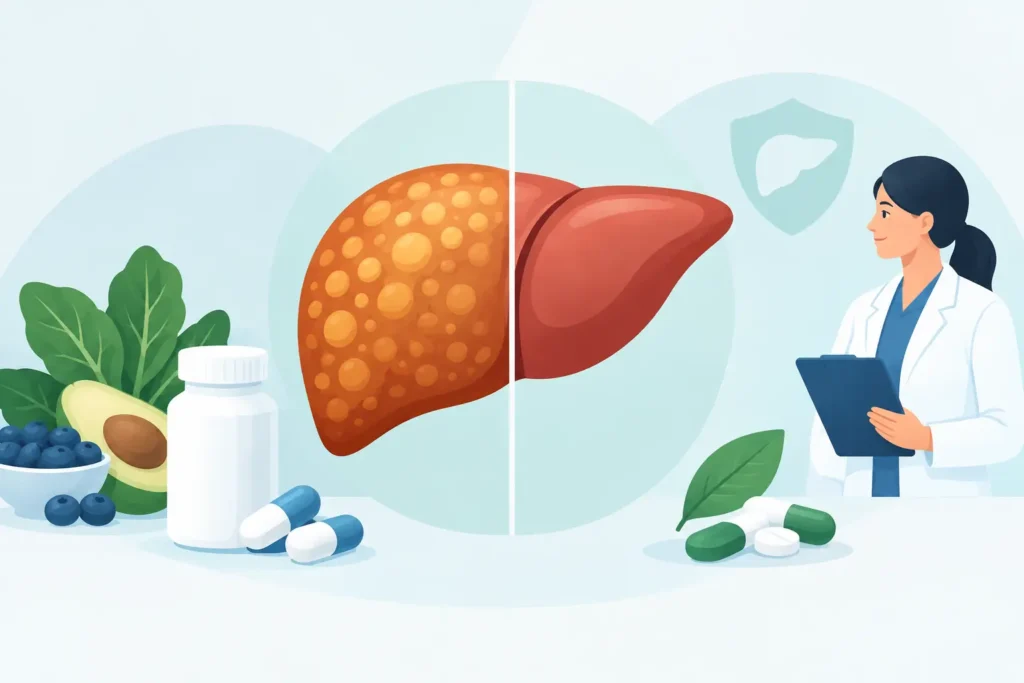
For years, there was no FDA-approved medication specifically for MASH. Lifestyle changes remained the foundation of care, and they still are. But treatment has advanced. Specialists can now combine noninvasive liver testing, targeted medications for selected patients, and physician-supervised metabolic treatment to create a more complete plan.
This does not mean every person with fatty liver needs a liver-specific medication. It does mean that patients with significant fibrosis, obesity, diabetes, or other metabolic risk factors should not assume their condition can be managed with one-size-fits-all advice.
New Fatty Liver Treatments for Eligible Patients
Resmetirom for MASH with fibrosis
Resmetirom is an FDA-approved medication for adults with noncirrhotic MASH and moderate to advanced liver fibrosis. It works on a thyroid hormone receptor in the liver, helping reduce liver fat and improve liver scarring in appropriate patients.
Eligibility requires a careful evaluation. A gastroenterologist or liver specialist will consider evidence of MASH, the degree of fibrosis, other medical conditions, current medications, cholesterol levels, and possible side effects. Resmetirom is not intended for everyone with fatty liver, and it is not a replacement for nutrition, movement, or weight management.
For the right patient, however, it represents a meaningful shift in care. It offers a treatment directed at the liver disease itself while the care team continues to address the metabolic factors that helped drive it.
GLP-1 medications and medically supervised weight loss
Weight reduction can substantially decrease liver fat, improve insulin sensitivity, and, for some patients, reduce liver inflammation. This is why physician-guided obesity medicine has become an important part of modern fatty liver management.
GLP-1-based medications, including semaglutide, can help eligible patients achieve and sustain clinically meaningful weight loss. Semaglutide also has an FDA-approved indication for certain adults with MASH and moderate to advanced fibrosis. Tirzepatide is another effective medical weight-management option for eligible patients and has shown encouraging results for liver fat and MASH in clinical research. Its role in a liver treatment plan depends on a patient’s diagnosis, health history, insurance coverage, and treatment goals.
These medications should not be treated like an online subscription or a quick fix. They require physician oversight because dose selection, side effects, nutrition, muscle preservation, blood sugar management, and long-term maintenance all matter. Patients with digestive symptoms, gallbladder disease, pancreatitis history, or certain endocrine conditions may need additional evaluation before treatment.
Nutrition and activity with clinical goals
Lifestyle treatment is not outdated because new medications are available. It is more effective when it is specific, realistic, and connected to medical follow-up.
A useful nutrition plan for fatty liver usually focuses on reducing highly processed carbohydrates, sugar-sweetened beverages, and excess saturated fat while emphasizing protein, fiber-rich foods, vegetables, fruit, and healthy fats. The goal is not perfection. It is a sustainable pattern that supports weight loss, steadier blood sugar, and improved liver health.
Physical activity also helps even before major weight loss occurs. Aerobic exercise improves liver fat and cardiometabolic health, while resistance training supports muscle mass during weight loss. The best plan is one a patient can safely maintain, especially when joint pain, fatigue, mobility limitations, or other health conditions are present.
Before Treatment, Find Out How Much Liver Scarring Is Present
A fatty liver diagnosis on an ultrasound does not reveal the whole picture. The key question is whether inflammation or fibrosis is present. Fibrosis is the buildup of scar tissue in the liver, and its stage strongly influences treatment decisions and the need for closer monitoring.
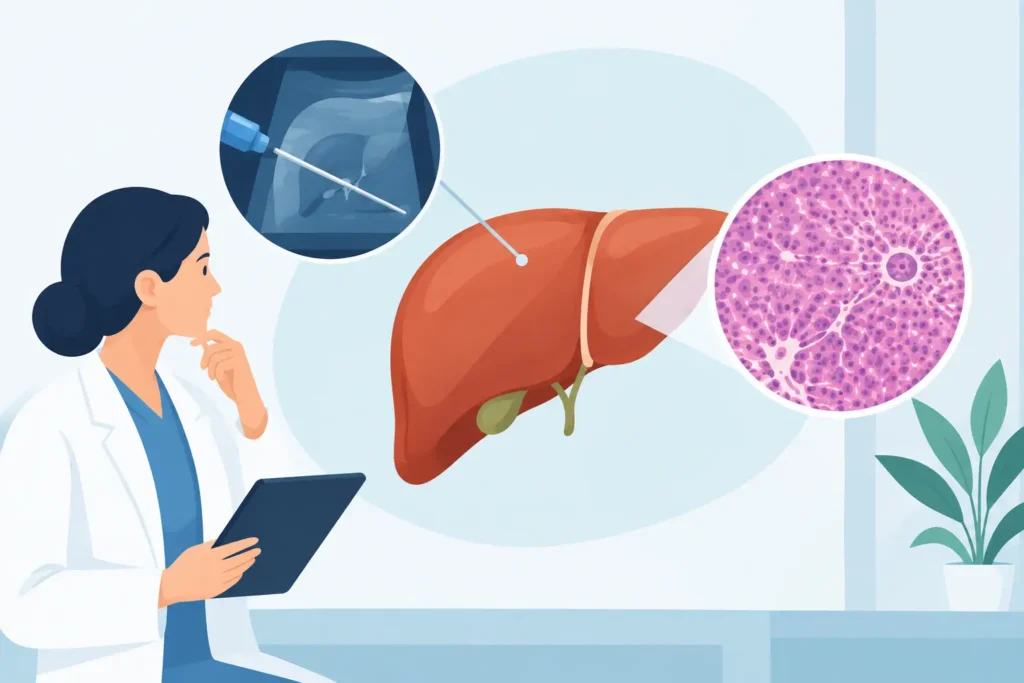
Your evaluation may include liver enzyme testing, metabolic lab work, a review of medications and alcohol use, and noninvasive fibrosis assessment. Advanced imaging tools can estimate liver stiffness and fat content without surgery. In selected cases, a liver biopsy may still be recommended when the diagnosis remains uncertain or the result would change treatment.
It is also important to rule out other causes of liver disease. Viral hepatitis, autoimmune liver conditions, iron overload, medication-related liver injury, and significant alcohol use can overlap with or resemble metabolic fatty liver disease. Accurate diagnosis protects patients from delayed or incomplete treatment.
What Results Can You Expect?
The answer depends on your starting point. A patient with liver fat but no fibrosis may benefit most from a focused metabolic and weight-management plan, with periodic monitoring. Someone with MASH and stage 2 or stage 3 fibrosis may need more intensive follow-up and may be a candidate for liver-directed medication.
Weight loss is associated with meaningful liver improvement, but the percentage needed varies. Even modest loss can reduce liver fat. Greater and sustained weight loss is more likely to improve inflammation and fibrosis. Medication can support that progress, but it works best alongside nutrition, physical activity, and treatment of diabetes, cholesterol, and blood pressure when needed.
Progress is not measured by the scale alone. Your clinician may follow liver enzymes, blood sugar markers, lipid levels, blood pressure, symptoms, body composition, and repeat fibrosis testing. Liver enzymes can be normal even when fibrosis is present, so normal labs should not automatically end the conversation.
When to See a Gastroenterology Specialist
Consider a specialist evaluation if you have elevated liver enzymes, imaging that shows fatty liver, type 2 diabetes, obesity, metabolic syndrome, or a family history of liver disease. Prompt assessment is especially valuable if testing suggests fibrosis or if you have symptoms such as abdominal swelling, leg swelling, yellowing of the eyes or skin, confusion, easy bruising, or vomiting blood. These symptoms require urgent medical attention.
At NJ Gastroenterology & Health Wellness, board-certified gastroenterology care and physician-supervised medical weight management can be coordinated in one plan. That means your liver findings, digestive symptoms, medications, nutrition needs, and weight-loss goals can be assessed together rather than in separate, disconnected visits.
A More Personal Path Forward
New treatments are changing the outlook for fatty liver disease, but the best option is not automatically the newest medication. It is the plan that matches your fibrosis risk, medical history, metabolic health, and ability to maintain progress over time. A thorough consultation can clarify where your liver health stands now and provide a practical next step toward protecting it.