Persistent diarrhea, cramping, rectal bleeding, or urgent trips to the bathroom can disrupt far more than a meal or a workday. When symptoms point to inflammatory bowel disease, understanding Crohn’s versus ulcerative colitis helps patients know why a precise diagnosis matters and what effective long-term care can look like.
Both conditions cause inflammation in the digestive tract, and both can flare and improve over time. Yet they affect the body differently, carry different complications, and may require different treatment and monitoring strategies. A board-certified gastroenterologist can distinguish between them and build a plan around your symptoms, test results, medical history, and goals.
Crohn’s Versus Ulcerative Colitis: The Main Difference
Crohn’s disease and ulcerative colitis are the two main forms of inflammatory bowel disease, often called IBD. IBD is not the same as irritable bowel syndrome, or IBS. IBS can cause significant discomfort and bowel changes, but it does not cause the ongoing intestinal inflammation, ulcers, or tissue damage associated with IBD.
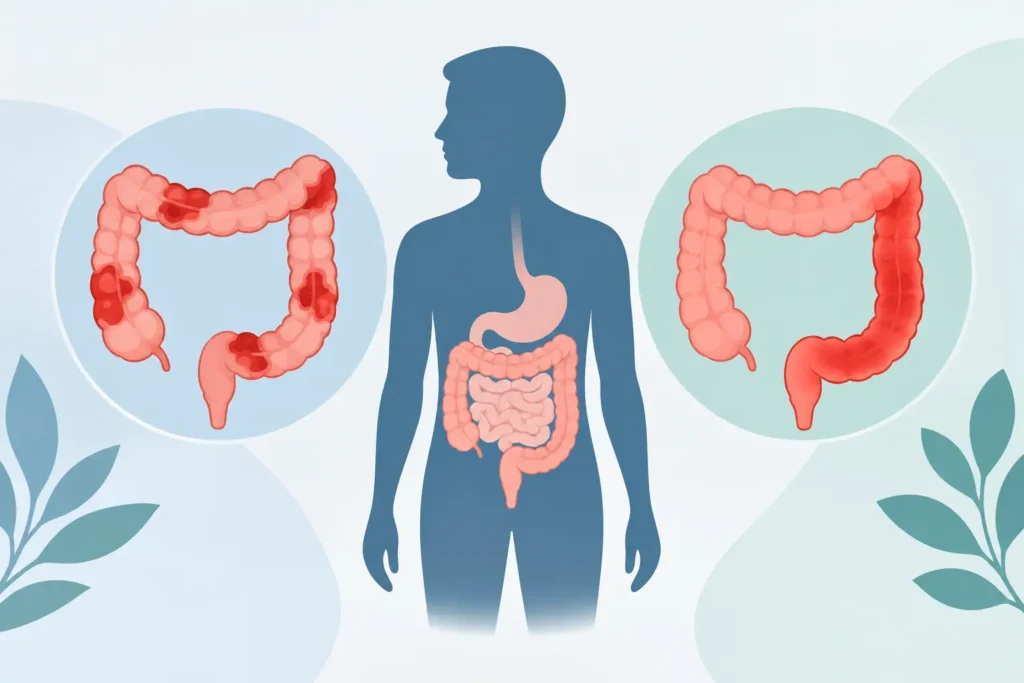
Ulcerative colitis affects the large intestine, also called the colon, and the rectum. Its inflammation begins in the rectum and extends upward through the colon in a continuous pattern. It affects the inner lining of the colon.
Crohn’s disease can affect any part of the digestive tract, from the mouth to the anus, although it commonly involves the end of the small intestine and the beginning of the colon. Inflammation may appear in separate patches with healthy tissue between them, and it can extend deeper into the intestinal wall.
That distinction has practical consequences. Deeper inflammation in Crohn’s disease can lead to narrowing of the bowel, fistulas, or abscesses. Ulcerative colitis more often causes inflammation and bleeding across a continuous section of the colon. Neither condition is a patient’s fault, and neither is caused simply by stress or a particular food choice. Stress, diet, infections, and certain medications can affect symptoms, but they do not explain the underlying disease process on their own.
Symptoms Can Overlap, but Patterns Matter
Crohn’s disease and ulcerative colitis can both cause diarrhea, abdominal pain, fatigue, loss of appetite, weight changes, and blood in the stool. Symptoms may be mild at first or become severe quickly. Some patients have periods of remission with few or no symptoms, followed by flares that need prompt attention.
With ulcerative colitis, frequent loose stools with blood, mucus, urgency, and a feeling of incomplete bowel emptying are common. Because the rectum is usually involved, some people find they need to locate a bathroom immediately after symptoms begin.
Crohn’s disease symptoms depend partly on where inflammation occurs. Pain may be more noticeable in the lower right side of the abdomen when the small intestine is involved. Some people develop nausea, vomiting, unintended weight loss, or nutritional deficiencies because inflammation interferes with absorption. Crohn’s can also cause anal pain, drainage, or recurrent infections when fistulas develop near the rectum.
IBD may affect areas beyond the digestive tract. Joint pain, eye inflammation, skin rashes, mouth sores, and certain liver or bile duct conditions can occur. Reporting these concerns matters because they may influence the treatment plan.
Why Accurate Diagnosis Takes More Than Symptoms
Many digestive conditions can resemble IBD. Infection, diverticular disease, celiac disease, medication-related injury, ischemic colitis, and colorectal cancer can cause overlapping symptoms. A careful evaluation protects against treating the wrong problem and helps identify complications early.
The diagnostic process usually begins with a consultation that reviews symptom timing, family history, medications, prior procedures, diet, and changes in weight or energy. Blood tests can look for anemia, inflammation, nutritional deficiencies, and signs of dehydration. Stool testing can help rule out infection and measure intestinal inflammation.
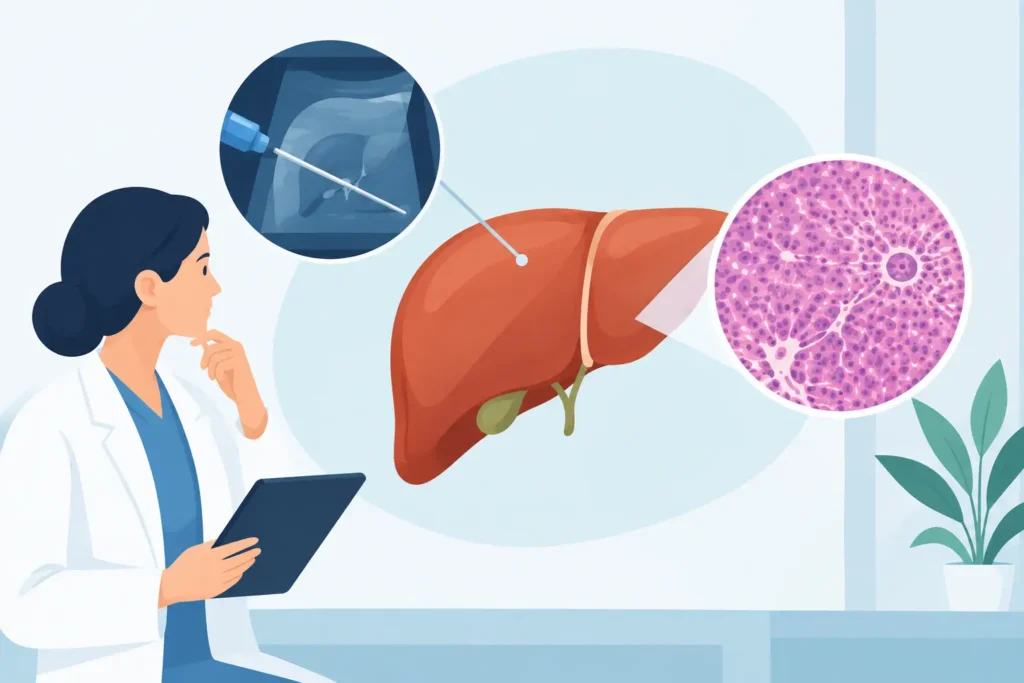
Colonoscopy is often central to diagnosis. During the procedure, a gastroenterologist examines the colon and terminal ileum, takes small tissue samples called biopsies, and looks for patterns that support Crohn’s disease or ulcerative colitis. Biopsies can reveal inflammation even when the colon appears only mildly abnormal on visual inspection.
If Crohn’s disease is suspected in the small intestine, advanced imaging such as CT enterography or MR enterography may be needed. These studies can identify inflammation, narrowing, fistulas, or abscesses beyond the reach of a standard colonoscopy. In some cases, the diagnosis evolves over time as new findings clarify the pattern of disease.
Treatment Is Individualized, Not One-Size-Fits-All
The goals of IBD treatment are to control inflammation, relieve symptoms, prevent complications, protect nutrition, and maintain remission. Feeling better is essential, but symptom relief alone does not always mean inflammation has resolved. Ongoing monitoring helps your physician assess whether treatment is healing the bowel and reducing future risk.
For mild ulcerative colitis, anti-inflammatory medications that act in the colon may be appropriate. Depending on disease location, these can be taken by mouth or delivered rectally. Corticosteroids may be used for short-term control during a flare, but they are generally not a long-term maintenance option because of potential side effects.
For moderate to severe Crohn’s disease or ulcerative colitis, treatment may include immune-modifying medications, biologic therapies, or targeted oral therapies. These medications work on specific inflammatory pathways and are selected based on disease severity, location, past treatment response, infection risk, pregnancy plans, other health conditions, and patient preferences.
Surgery has a different role in each disease. Surgery can be necessary for Crohn’s disease when there is a severe narrowing, fistula, abscess, perforation, or disease that does not respond adequately to medical treatment. It can relieve a complication, but Crohn’s inflammation can recur elsewhere in the digestive tract.
For ulcerative colitis, removing the colon eliminates the disease in the colon and may be considered when medication does not provide safe, durable control or when cancer-related changes are found. Surgery is a major decision that requires thoughtful discussion with an experienced care team.
Nutrition, Weight, and Whole-Person Care
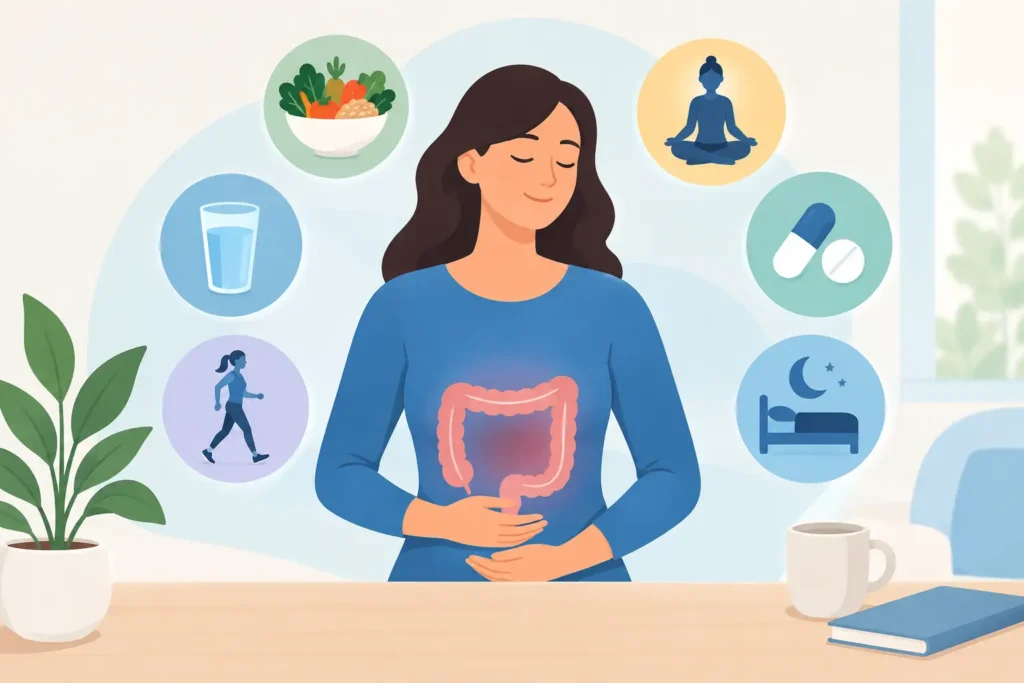
There is no single IBD diet that works for every patient. During a flare, certain foods may worsen pain, urgency, or diarrhea, while the same foods may be well tolerated during remission. Restrictive diets without medical guidance can create nutritional gaps, particularly for people with Crohn’s disease affecting the small intestine.
A practical plan may include identifying personal food triggers, correcting iron or vitamin deficiencies, maintaining adequate protein and calories, and adjusting fiber based on symptoms or bowel narrowing. Medical nutrition guidance should support treatment, not replace it.
Weight changes can occur in either direction. Active inflammation may cause unintended weight loss, while fatigue, limited activity, steroids, and metabolic factors may contribute to weight gain. Coordinated digestive and metabolic care can help patients address these concerns safely without overlooking active disease, medication effects, or fatty liver risk.
When to Contact a Gastroenterologist
New or worsening rectal bleeding, ongoing diarrhea, persistent abdominal pain, unexplained weight loss, fever, or symptoms that interfere with daily life deserve medical evaluation. Seek urgent care for severe abdominal pain, a swollen abdomen, inability to keep fluids down, high fever, fainting, or heavy bleeding.
Patients already diagnosed with IBD should contact their care team when symptoms change rather than waiting for a routine visit. Early assessment can help distinguish a flare from infection, medication side effects, or another digestive concern. Regular follow-up also supports colon cancer surveillance when long-standing colonic inflammation increases risk.
At NJ Gastroenterology & Health Wellness, board-certified specialists use advanced diagnostic evaluation and individualized treatment planning to help patients manage chronic digestive conditions with clarity and confidence. The right next step is not guessing which condition fits your symptoms – it is scheduling a focused evaluation that listens to your history and turns answers into a plan for feeling and functioning better.