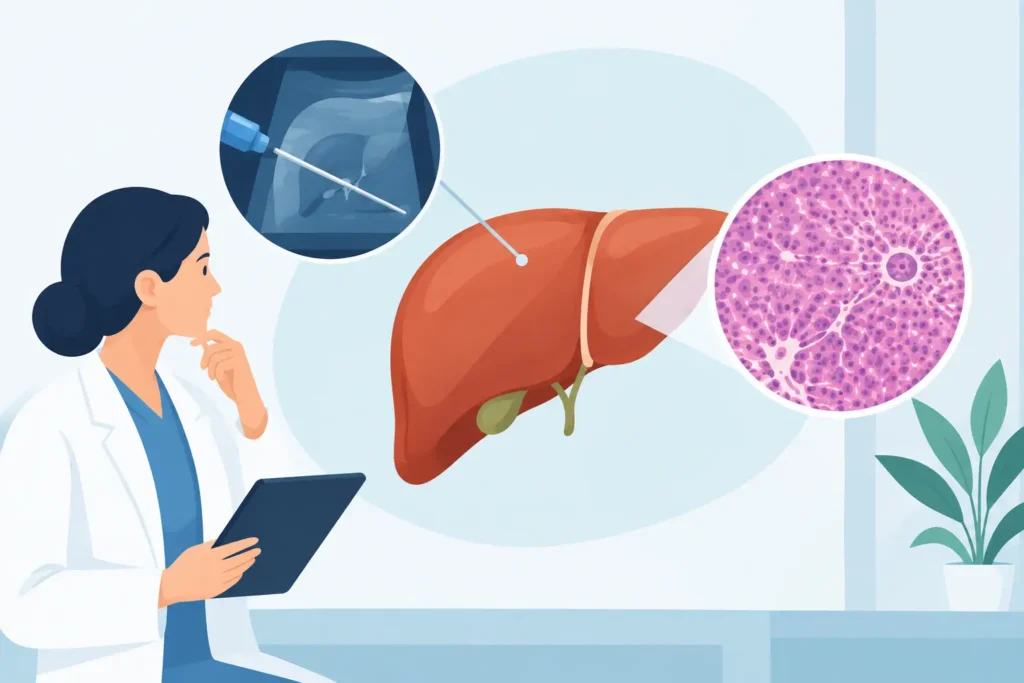

A number on the scale rarely tells the full story. For many adults, weight gain or difficulty losing weight is tied to insulin resistance, fatty liver disease, sleep concerns, medications, digestive symptoms, stress, or years of dieting that produced short-term changes but no lasting plan. Medical weight loss takes those factors seriously by treating weight as a health concern that deserves individualized, physician-directed care.
Rather than asking patients to follow a one-size-fits-all diet, a comprehensive program begins with their medical history, goals, laboratory results, current medications, eating patterns, and symptoms. The purpose is not simply to pursue a smaller number on the scale. It is to improve metabolic health, support mobility and energy, reduce health risks, and create a plan a patient can maintain.
What Medical Weight Loss Includes
Medical weight loss is a clinically supervised approach to weight management for people who may benefit from more than general wellness advice. A physician evaluates the medical and behavioral factors that can affect weight, then develops a treatment plan based on the patient’s health status and goals.
That plan may include nutrition counseling, realistic activity recommendations, sleep and stress support, regular progress visits, and FDA-approved medication when clinically appropriate. It can also include evaluation and treatment for conditions that commonly travel with obesity, including high blood pressure, prediabetes or diabetes, high cholesterol, metabolic syndrome, and fatty liver disease.
The difference is meaningful. Commercial diet programs may offer structure and encouragement, but they cannot diagnose digestive disease, review complex medication interactions, monitor relevant lab work, or determine whether a symptom needs medical attention. Physician supervision adds a layer of safety and clinical context, particularly for patients with chronic health conditions or a history of repeated weight cycling.
Who May Benefit From Physician-Supervised Care
There is no single profile for someone seeking treatment. Some patients have struggled with weight for decades and feel frustrated that strict diets no longer work. Others have recently noticed rising blood sugar, worsening reflux, joint pain, or abnormal liver tests. Some are concerned about a family history of diabetes, heart disease, or fatty liver disease and want to act before those risks progress.
Medical care may be especially helpful when excess weight is associated with conditions such as obesity, prediabetes, type 2 diabetes, fatty liver disease, sleep apnea, high blood pressure, or high cholesterol. It may also be appropriate for patients who have tried structured lifestyle changes without achieving or maintaining the progress they need.
Eligibility for treatment, including medication, depends on several factors. Body mass index is one consideration, but it is not the entire conversation. A physician also considers medical conditions, prior treatments, laboratory findings, personal goals, and whether a specific option is safe for the individual. Pregnancy, certain personal or family medical histories, and some medications can affect which treatments are appropriate.
A Clear Path From Evaluation to Progress
A good program gives patients a practical care path, not vague encouragement to “eat less” or “try harder.” At NJ Gastroenterology & Health Wellness, care is designed to connect metabolic health with digestive and liver concerns when those issues overlap.
Start With a Complete Evaluation
The first visit should create space for the details that generic programs often miss. Your physician may discuss weight history, previous diets, hunger and fullness patterns, sleep, activity, stress, medications, and family history. Depending on your needs, the evaluation may include laboratory testing or assessment for conditions such as prediabetes, diabetes, high cholesterol, thyroid concerns, or fatty liver disease.
Digestive symptoms should also be part of the conversation. Persistent reflux, abdominal pain, bloating, bowel changes, nausea, or difficulty swallowing are not issues to ignore while focusing on weight alone. In some cases, they need separate evaluation before or alongside a weight-management plan.
Build a Plan You Can Follow
The most effective nutrition plan is one that accounts for your life, culture, schedule, medical needs, and food preferences. That does not mean there are no changes to make. It means the changes should be specific enough to improve health and realistic enough to continue.
For one patient, the focus may be increasing protein and fiber, creating consistent meal timing, and reducing sugary beverages. For another, it may involve managing late-night eating, planning meals around a demanding work schedule, or choosing foods that are better tolerated with reflux or IBS. Exercise recommendations should be equally individualized. Walking, resistance training, swimming, chair-based movement, or a gradual return to activity can all be valuable starting points.
Monitor, Adjust, and Protect Long-Term Results
Follow-up visits are where medical weight loss becomes more than a prescription or meal plan. A physician can review weight trends, blood pressure, labs, symptoms, medication tolerance, and changes in appetite. If something is not working, the plan can be adjusted rather than abandoned.
Progress is not always linear. Travel, illness, holidays, stress, hormonal changes, and plateaus can affect results. Regular clinical follow-up helps patients respond to those challenges with practical changes instead of guilt or extreme restriction.
Understanding GLP-1 Medications
Semaglutide and tirzepatide are medications that may be used as part of a physician-guided treatment plan for eligible patients. These medications influence pathways involved in appetite, fullness, blood sugar regulation, and metabolism. For many people, they can make it easier to follow nutrition and lifestyle changes by reducing persistent hunger or food noise.
They are not a replacement for medical evaluation or healthy habits, and they are not right for everyone. The potential benefits must be balanced with possible side effects, which can include nausea, constipation, diarrhea, abdominal discomfort, or vomiting. Dose adjustments, nutrition guidance, hydration, and careful follow-up can help manage tolerability, but patients should promptly report concerning or persistent symptoms.
Medication decisions also require an honest discussion about expectations. Some patients do well with medication as a longer-term tool for a chronic condition. Others may not tolerate it, may have a medical reason to avoid it, or may prefer a treatment plan without it. The right approach depends on the person, not on what is trending online.
Why Digestive and Liver Health Matter
Weight management and gastroenterology often overlap. Excess weight can contribute to GERD and fatty liver disease, while digestive symptoms can make it harder to eat consistently, tolerate certain foods, or maintain an activity routine. Patients with fatty liver disease may benefit from a plan that addresses weight, metabolic risk, liver testing, and nutrition in a coordinated way.
This integrated perspective also matters when symptoms appear during treatment. Not every episode of nausea, pain, constipation, or reflux is caused by a weight-loss medication. A patient may have an underlying digestive condition that needs evaluation. Addressing the root cause helps protect both comfort and safety.
Measuring Success Beyond the Scale
Weight is a useful measure, but it should not be the only one. Meaningful progress can include improved A1C or blood sugar, healthier liver enzymes, lower blood pressure, better sleep, less joint discomfort, fewer reflux symptoms, improved stamina, and more confidence managing meals.
A sustainable rate of loss varies. Fast changes can be appealing, but plans that are too restrictive may increase the risk of muscle loss, nutritional gaps, fatigue, or rebound weight gain. The goal is steady progress that supports health while preserving strength, nutrition, and quality of life.
If you have been managing weight concerns alongside fatty liver, reflux, prediabetes, or other digestive and metabolic issues, you do not have to sort them out alone. A physician-led consultation can help turn a frustrating cycle into a clear, medically informed next step.