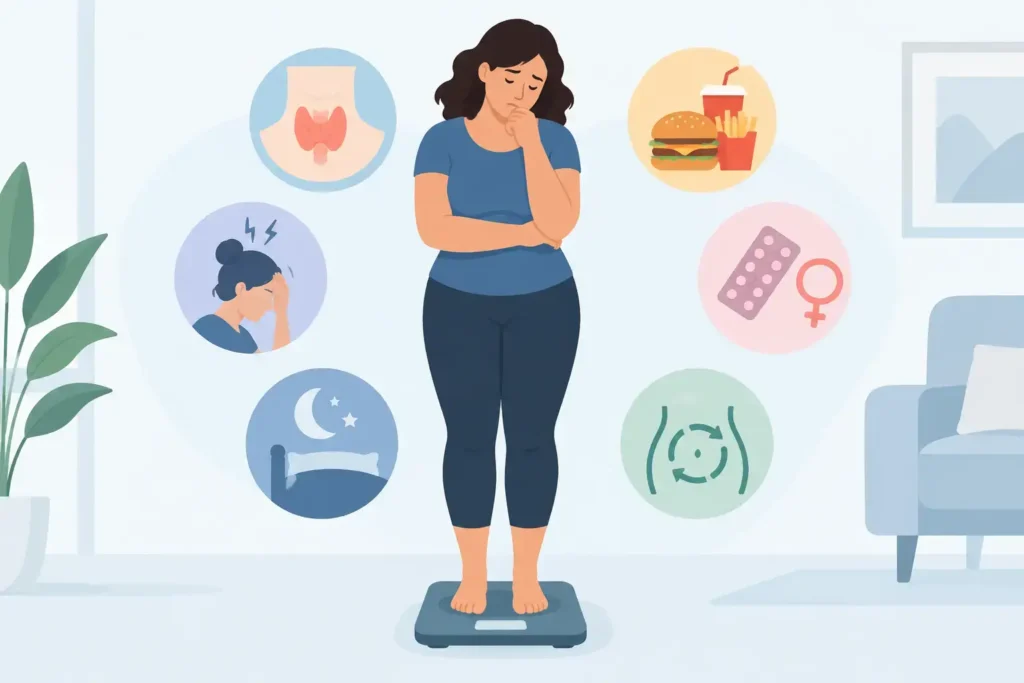

For many people, weight management has meant cycling through restrictive diets, generic advice, and short-term programs that fail to address why weight is difficult to lose or maintain. The future of obesity medicine is changing that experience. It recognizes obesity as a chronic, complex medical condition shaped by biology, metabolism, medications, sleep, stress, nutrition, activity, and related conditions such as fatty liver disease and diabetes.
This shift matters because a number on the scale tells only part of the story. A meaningful treatment plan also considers blood pressure, cholesterol, blood sugar, liver health, digestive symptoms, mobility, sleep quality, and a patient’s personal history with weight. The goal is not simply rapid weight loss. It is better health, improved function, and a plan a patient can realistically sustain.
The Future of Obesity Medicine Starts With Better Diagnosis
Obesity care is moving away from one-size-fits-all recommendations and toward a thorough medical evaluation. Before discussing medications or calorie targets, a physician should understand the factors contributing to weight gain and difficulty losing weight.
That evaluation may include a review of medical history, current medications, sleep habits, eating patterns, prior weight-loss efforts, family history, laboratory testing, and metabolic risk factors. For some patients, conditions such as hypothyroidism, insulin resistance, polycystic ovary syndrome, depression, chronic pain, or sleep apnea may affect the treatment approach. Other patients may be taking medications that contribute to weight gain.
Digestive and liver health also deserve attention. Fatty liver disease is closely associated with obesity and metabolic dysfunction, and it may progress silently for years. Reflux, constipation, diarrhea, abdominal pain, or a history of gallbladder disease can influence nutrition choices and medication decisions. Treating these issues in isolation can miss the larger clinical picture.
At NJ Gastroenterology & Health Wellness, this integrated view allows physician-guided weight management to be coordinated with digestive, liver, and metabolic care when appropriate. For patients, that means fewer disconnected conversations and a clearer understanding of how their health concerns may be related.
Medications Will Be More Precise, Not More Casual
GLP-1-based medications have reshaped public awareness of medical weight management. Semaglutide and tirzepatide can help eligible patients reduce appetite, improve blood sugar regulation, and achieve clinically meaningful weight loss when used as part of a comprehensive plan. Their success has created understandable interest, but these medications are not interchangeable with online prescriptions, cosmetic trends, or a quick fix.
The future of obesity medicine will involve more personalized medication selection and monitoring. Physicians will increasingly consider a patient’s weight-related conditions, diabetes risk, cardiovascular history, digestive symptoms, liver health, prior medication response, insurance coverage, and treatment goals before recommending a medication.
Medication safety is equally important. Nausea, constipation, diarrhea, reflux, and abdominal discomfort can occur with GLP-1 medications, particularly during dose changes. Most side effects can be managed with thoughtful dose titration, nutrition adjustments, hydration, and regular follow-up. However, severe or persistent symptoms should never be ignored. A physician should also review contraindications, including certain personal or family medical histories, before treatment begins.
Not every patient needs or wants a GLP-1 medication. Some may benefit from a different anti-obesity medication, targeted lifestyle treatment, management of sleep apnea, or referral for bariatric surgery evaluation. The best option depends on the person in front of the clinician, not on what is most discussed online.
Long-Term Care Will Matter More Than the First Prescription
Obesity is often chronic and relapsing, much like high blood pressure or type 2 diabetes. That means successful care requires follow-up, not a single visit. Patients need a place to discuss progress, side effects, plateaus, changing health conditions, and the practical realities of maintaining new habits.
Weight regain after stopping medication can occur, especially when the underlying biological drivers of hunger and weight regulation return. This does not represent a lack of willpower. It is a reason to create an ongoing plan that may include continued medication, adjusted treatment, nutrition support, strength training, behavioral strategies, or another level of care.
Nutrition Advice Will Become More Individualized
The future of obesity medicine will not be built around one universal diet. Very-low-carbohydrate, Mediterranean-style, high-protein, plant-forward, and calorie-aware eating patterns can all help some people. The right approach depends on medical needs, culture, schedule, food preferences, digestive tolerance, and the ability to continue the plan over time.
For example, a patient with fatty liver disease may benefit from reducing added sugars and refined carbohydrates while focusing on fiber, lean protein, and minimally processed foods. A person struggling with reflux may need different meal timing and food choices. Someone using a GLP-1 medication may need smaller meals, enough protein, adequate fluids, and strategies to prevent constipation or nausea.
Nutrition counseling should feel practical rather than punitive. Patients should leave with clear next steps they can use at home, at work, and when dining out. Small, repeatable changes often create better long-term results than an overly restrictive plan that is difficult to follow beyond a few weeks.
Preserving Muscle Will Be a Core Treatment Goal
As medical weight-loss treatments become more effective, clinicians are paying closer attention to body composition. Losing weight can improve metabolic health, but excessive loss of lean muscle may affect strength, mobility, energy, and long-term weight maintenance.
That is why protein intake, resistance training, and appropriate physical activity are increasingly central to obesity care. The specific plan should match a patient’s age, orthopedic limitations, fitness level, and medical conditions. For one person, this may begin with short walks and chair-based strength exercises. For another, it may involve a structured resistance-training program.
The goal is not to pursue a particular body type. It is to support a stronger, healthier body while reducing the health risks associated with excess weight.
Technology Can Support Care, but It Cannot Replace Clinical Judgment
Wearable devices, food-tracking apps, connected scales, telemedicine, and remote monitoring will continue to make obesity treatment more accessible. These tools can help patients recognize patterns in activity, sleep, meal timing, and weight trends. Telemedicine can also make follow-up easier for patients balancing work, family responsibilities, and travel across New Jersey.
Still, more data does not always mean better care. Constant tracking can be discouraging or counterproductive for some patients, particularly those with a history of disordered eating or anxiety around food and weight. Technology should support informed decisions, not create pressure or replace the physician-patient relationship.
Clinical judgment remains essential when interpreting weight changes, side effects, laboratory results, and symptoms. A plateau may reflect normal metabolic adaptation, inconsistent medication access, muscle gain, fluid changes, or another medical issue. The answer is rarely found in an app alone.
What Patients Should Expect From Modern Obesity Care
High-quality obesity treatment should be respectful, evidence-based, and focused on health outcomes beyond the scale. Patients should expect a clinician to listen to their history without blame, explain available options clearly, review benefits and risks, and establish realistic goals.
A strong plan also includes regular reassessment. If a treatment is not working, the next step is not shame. It may be a medication adjustment, additional testing, renewed attention to sleep or stress, nutrition changes, or management of a related digestive or metabolic condition.
The most promising future is not a single breakthrough medication or a trend-driven diet. It is care that combines medical expertise with consistent support and recognizes that lasting progress is personal. If weight is affecting your health, comfort, mobility, liver function, or confidence, a physician-guided consultation can be a practical first step toward a plan built for your body and your long-term well-being.