
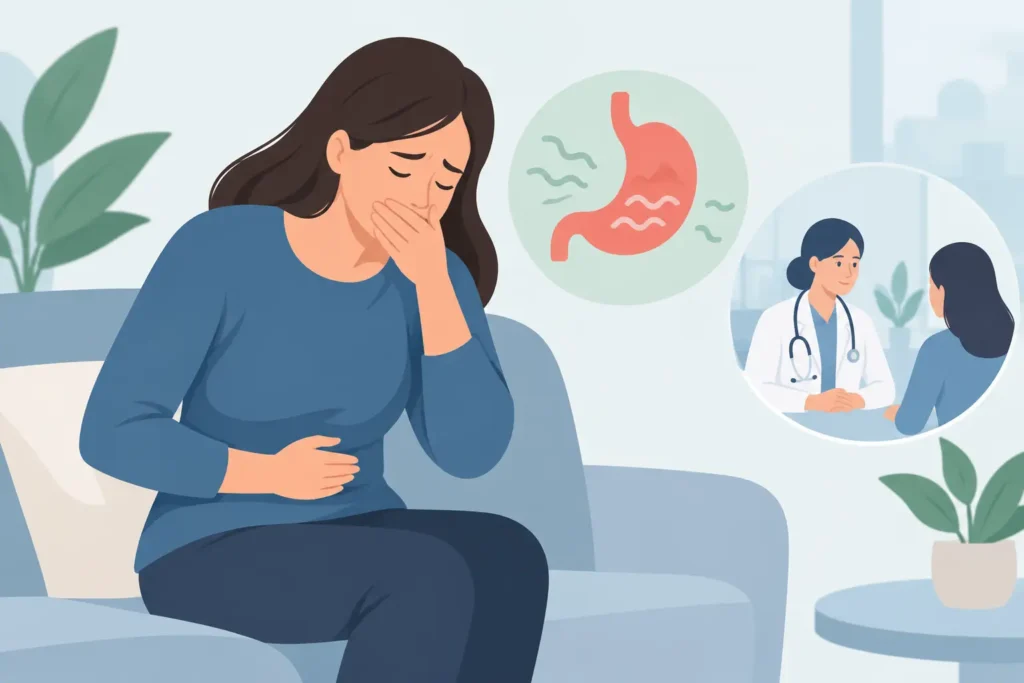
A wave of nausea after a heavy meal can be unpleasant but temporary. Nausea that returns day after day, disrupts meals, wakes you at night, or makes it hard to function deserves a closer look. If you are asking, what causes persistent nausea, the answer is rarely one-size-fits-all. It can reflect a digestive condition, a medication effect, a metabolic concern, or, less commonly, a problem that requires urgent care.
The goal is not simply to suppress the symptom. A careful medical evaluation looks for the reason nausea is happening, how long it has lasted, what triggers it, and whether it occurs with pain, vomiting, bowel changes, weight loss, reflux, or other symptoms. That information helps guide the right testing and treatment plan.
What Counts as Persistent Nausea?
Persistent nausea generally means nausea that lasts for more than a few days, keeps returning over several weeks, or does not improve with simple measures. It may occur with or without vomiting. Some people feel constantly queasy, while others notice nausea after eating, early in the morning, during exercise, or at unpredictable times.
A pattern matters. Nausea after fatty foods may point in a different direction than nausea with heartburn, nausea after starting a medication, or nausea paired with constipation and bloating. Keeping track of when symptoms occur, what you ate, new medications or supplements, and accompanying symptoms can make your consultation more productive.
Common Digestive Causes of Persistent Nausea
Many ongoing cases begin in the gastrointestinal tract. Acid reflux, also called GERD, can cause nausea along with burning in the chest, sour taste, regurgitation, chronic cough, or throat irritation. Symptoms may be worse after meals, when bending over, or when lying down.
Gastritis, or inflammation of the stomach lining, is another common cause. It may develop from infection, frequent use of anti-inflammatory pain relievers, alcohol, bile reflux, or other irritants. People often report upper abdominal discomfort, fullness, indigestion, or nausea that is worse when the stomach is empty or after eating.
Peptic ulcers can create similar symptoms, particularly when there is burning or gnawing pain in the upper abdomen. Ulcers require medical evaluation because treatment depends on the cause and because bleeding is possible in some cases.
Gastroparesis occurs when the stomach empties more slowly than it should. It can cause nausea, vomiting, feeling full after only a few bites, bloating, and discomfort after meals. Diabetes is a known risk factor, but gastroparesis can also occur after certain surgeries, with some medications, or without a clear cause. Treatment is individualized and may include dietary changes, medication adjustments, and management of the underlying condition.
Gallbladder disease may cause nausea, especially after rich or fatty meals. Upper right abdominal pain, pain that travels to the back or right shoulder, fever, or yellowing of the skin and eyes should be assessed promptly. Pancreatic, liver, and intestinal conditions can also cause nausea, particularly when symptoms include significant pain, jaundice, diarrhea, constipation, or changes in stool color.
Functional digestive disorders can play a role
Sometimes testing does not show an ulcer, blockage, or visible inflammation, but symptoms are still real and disruptive. Functional dyspepsia can cause chronic upper abdominal discomfort, early fullness, bloating, and nausea. Irritable bowel syndrome may also include nausea, particularly when abdominal pain and bowel changes are present.
The digestive system and nervous system are closely connected. Stress can amplify nausea and other GI symptoms, but it should not be assumed to be the sole explanation before medical causes are considered. A thorough evaluation can help distinguish a functional disorder from conditions that need a different treatment approach.
Medication, Metabolic, and Hormonal Causes
Medication-related nausea is common and often overlooked. Antibiotics, iron supplements, certain pain medications, antidepressants, diabetes medications, and some blood pressure treatments can all contribute. Taking a medication on an empty stomach, changing a dose, or combining medications and supplements may make symptoms more noticeable.
GLP-1 medications used for diabetes and physician-supervised weight management, including semaglutide and tirzepatide, can also cause nausea, particularly during dose escalation. For many patients, symptoms improve with a gradual dosing plan, meal adjustments, hydration, and clinical guidance. Severe, persistent, or worsening nausea should not be managed by simply pushing through it. Your prescribing clinician can determine whether the dose, timing, nutrition plan, or medication itself needs to change.
Metabolic and hormonal issues can contribute as well. Low blood sugar, uncontrolled blood sugar, thyroid disorders, kidney disease, migraine, and pregnancy are among the possibilities. Nausea with dizziness, shakiness, sweating, excessive thirst, frequent urination, or major fatigue warrants a conversation with a clinician. For patients with obesity, fatty liver disease, diabetes, or metabolic syndrome, coordinated GI and metabolic care can be especially valuable because these conditions may overlap.
When Persistent Nausea Needs Urgent Care
Most nausea is not an emergency, but certain symptoms should never wait for a routine appointment. Seek urgent medical attention for:
- Vomiting blood, material that resembles coffee grounds, or black, tarry stools
- Severe or worsening abdominal pain, a rigid abdomen, or pain with fever
- Chest pain, shortness of breath, fainting, confusion, or new weakness
- Signs of dehydration, such as very little urination, inability to keep fluids down, or severe dizziness
- Yellowing of the skin or eyes, dark urine, or pale stools
- Persistent vomiting, unexplained weight loss, or trouble swallowing
Adults over 55 with new upper digestive symptoms, and anyone with a personal or family history of gastrointestinal cancer, should also discuss persistent nausea promptly. These factors do not mean a serious condition is present, but they can affect which tests are appropriate.
How a GI Evaluation Finds the Cause
A productive evaluation starts with listening. Your physician will review when the nausea began, its relationship to food and bowel habits, your medical history, medications, alcohol use, recent illnesses, and any associated symptoms. A physical examination and targeted lab work may help identify inflammation, anemia, infection, liver concerns, thyroid abnormalities, or metabolic issues.
Depending on your symptoms, diagnostic testing may include an upper endoscopy to examine the esophagus, stomach, and first part of the small intestine. This can help identify GERD-related injury, inflammation, ulcers, bleeding, and other abnormalities. Imaging or specialized testing may be appropriate when gallbladder disease, delayed stomach emptying, liver disease, or another condition is suspected.
Testing should be guided by your history rather than ordered as a one-size-fits-all checklist. For example, someone with nausea and long-standing reflux may need a different evaluation than someone whose symptoms began after a new medication or who has nausea with right-sided abdominal pain.
What You Can Do While Waiting for an Appointment
Small, frequent meals are often easier to tolerate than large meals. Choose bland or lower-fat foods temporarily if rich, greasy, spicy, or highly acidic foods worsen symptoms. Sip fluids throughout the day, especially if you are vomiting or eating less than usual. Alcohol can irritate the stomach and worsen dehydration, so it is best avoided while symptoms are active.
Do not stop prescription medication without medical direction, but contact the prescribing office if nausea began after a new drug or dose change. Bring a complete list of medications, over-the-counter products, vitamins, and supplements to your visit. It can also help to note unintentional weight change, bowel changes, food triggers, and how often nausea occurs.
Persistent nausea is your body’s signal that something needs attention, not a symptom you should have to normalize. A board-certified gastroenterology evaluation can identify the right next step and create a personalized plan focused on relief, nutrition, and long-term digestive health. If nausea is recurring or interfering with daily life, schedule a consultation rather than continuing to guess at the cause.