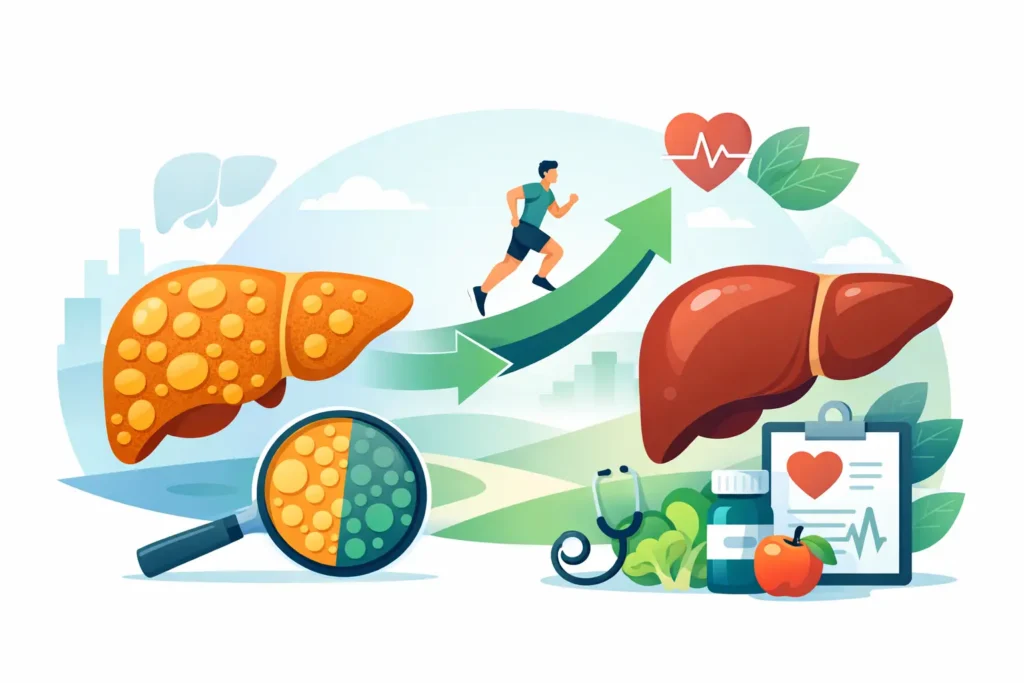
A fatty liver diagnosis can feel alarming, especially when you have few or no symptoms. The encouraging news is that fatty liver disease reversal is often possible when excess liver fat is identified early and addressed with a medically guided plan. The goal is not a quick cleanse or a one-size-fits-all diet. It is to reduce liver fat, improve metabolic health, and monitor for inflammation or scarring before more serious liver damage develops.
Fatty liver disease is closely connected to weight, insulin resistance, cholesterol and triglycerides, blood pressure, sleep, medications, alcohol use, and family history. That is why effective care looks beyond a single lab result. It considers the full picture of your health and creates realistic next steps you can sustain.
What Fatty Liver Disease Reversal Actually Means
Fatty liver disease occurs when too much fat accumulates in liver cells. Many people develop metabolic dysfunction-associated steatotic liver disease, or MASLD, previously called nonalcoholic fatty liver disease or NAFLD. Some people also have alcohol-associated fatty liver disease. In either situation, the liver may improve substantially when the underlying drivers are treated.
Reversal can mean different things depending on the stage of disease. For a person with simple steatosis, reducing excess liver fat may normalize liver enzymes and improve imaging findings. When inflammation is present, sometimes called MASH, the focus is reducing the ongoing injury that can lead to fibrosis, or scar tissue. Fibrosis can improve in some patients, but it generally takes longer and requires careful follow-up.
Advanced scarring, known as cirrhosis, requires specialized management. Lifestyle and metabolic treatment still matter, but cirrhosis should not be treated as something that can be managed with internet advice alone. Regular surveillance and liver-focused care are essential.
Start With an Accurate Liver and Metabolic Assessment
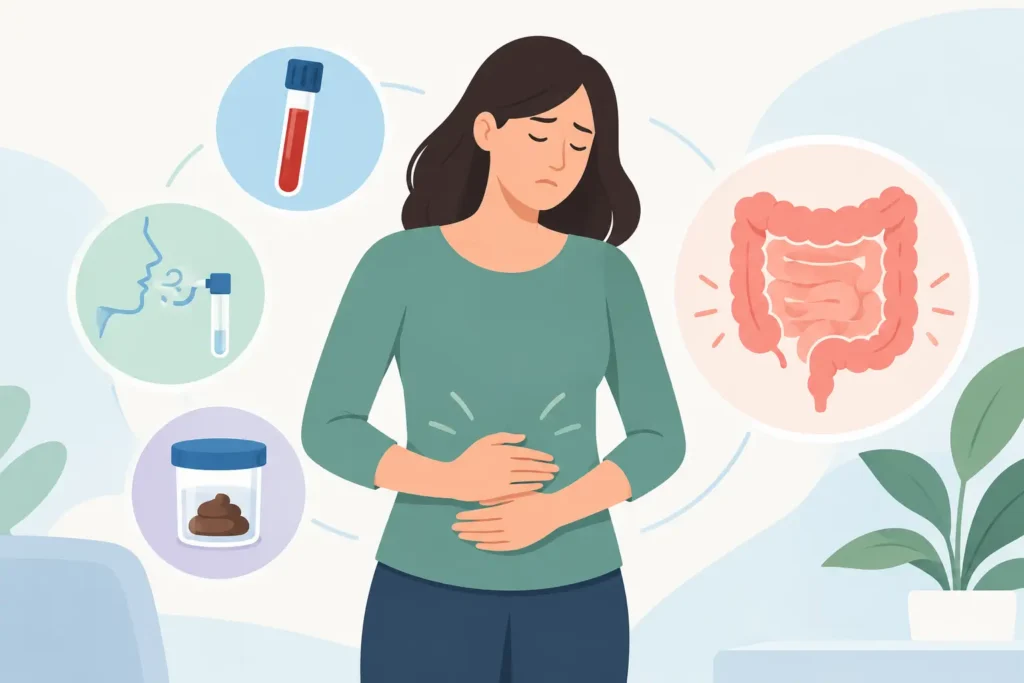
A mildly elevated ALT or AST level can be an early clue, but normal liver enzymes do not always rule out fatty liver or fibrosis. Your physician may review blood work, medical history, medication use, alcohol intake, weight history, and conditions such as prediabetes, type 2 diabetes, high cholesterol, sleep apnea, or polycystic ovary syndrome.
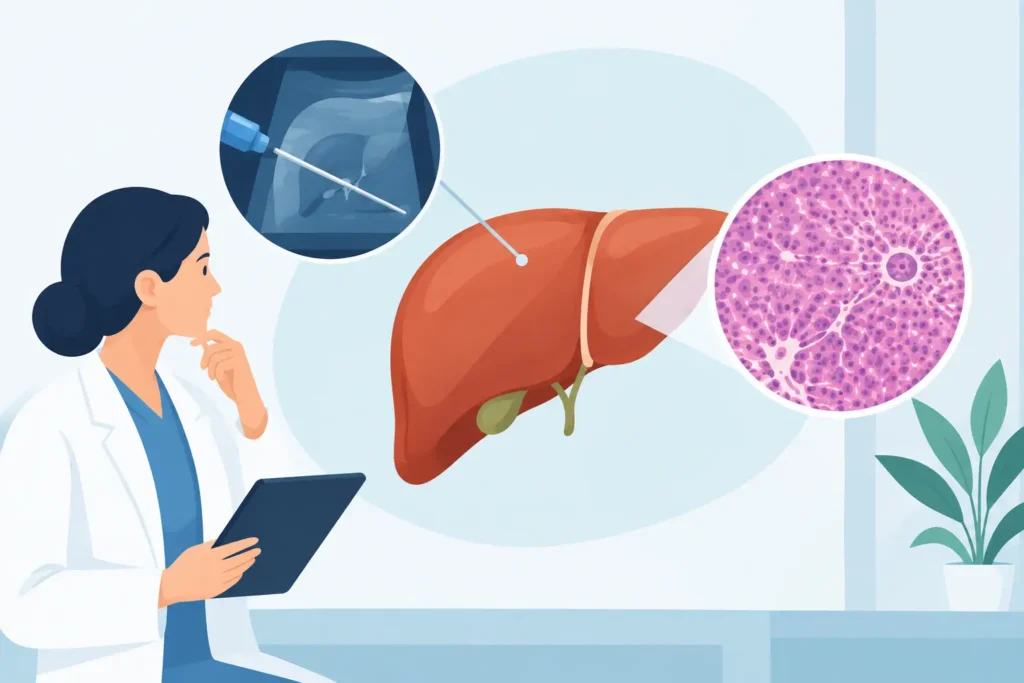
Imaging may help confirm fat in the liver and estimate the risk of scarring. Depending on your needs, evaluation may include ultrasound, specialized liver elastography such as FibroScan, or additional blood-based fibrosis testing. In select cases, more advanced testing or a liver biopsy may be appropriate.
This step matters because two people with the same ultrasound result may need very different care. One may benefit primarily from nutrition support and modest weight loss. Another may need more urgent evaluation because of fibrosis risk, uncontrolled diabetes, significant alcohol use, or symptoms suggesting another liver condition.
Weight Loss Is Powerful, but the Plan Must Be Sustainable
For many people with MASLD, gradual, meaningful weight loss is the most effective treatment available. Research consistently shows that losing approximately 5% of body weight can reduce liver fat. A loss of 7% to 10% may improve liver inflammation, and greater weight reduction may help improve fibrosis in appropriate patients.
Those numbers are useful clinical targets, not a reason to feel discouraged. Even early progress can improve insulin sensitivity, triglycerides, blood pressure, energy, and liver health. A plan that helps you lose weight gradually and keep it off is more valuable than a restrictive program that produces rapid loss followed by regain.
Medical weight management can be especially helpful when obesity, prediabetes, diabetes, or repeated dieting cycles are part of the picture. Physician-supervised treatment may include nutrition counseling, physical activity planning, behavioral support, and FDA-approved anti-obesity medications for eligible patients. GLP-1-based medications, including semaglutide or tirzepatide, may support substantial weight loss and improved metabolic markers for some patients. They are not appropriate for everyone, and they work best as part of a comprehensive plan with ongoing medical monitoring.
Eat for Liver and Metabolic Health
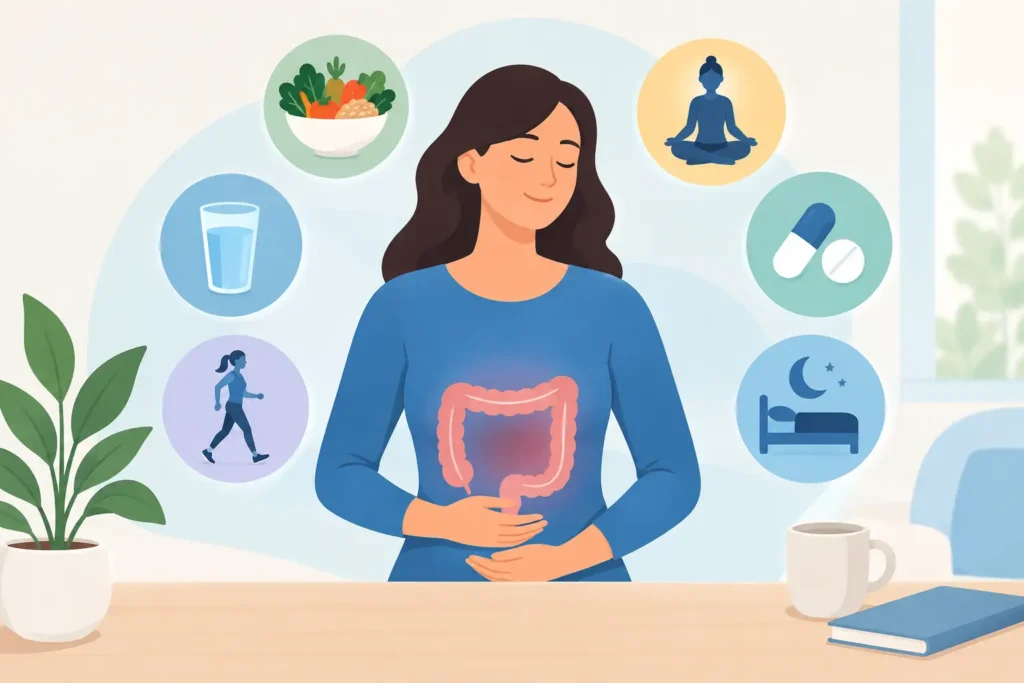
There is no single “fatty liver diet,” and extreme detoxes do not remove fat from the liver. The most effective eating pattern is usually one you can maintain while improving calorie balance, blood sugar, cholesterol, and triglycerides.
A Mediterranean-style approach is often a practical starting point. It emphasizes vegetables, fruit, beans, whole grains, nuts, fish, lean proteins, and unsaturated fats such as olive oil. It also limits highly processed foods, refined carbohydrates, sugar-sweetened beverages, and frequent large portions of saturated fat.
Sugary drinks deserve particular attention. Soda, sweetened coffee drinks, energy drinks, and fruit juices can add significant amounts of sugar with little fullness, and excess fructose may contribute to liver fat. Replacing these drinks with water, unsweetened tea, or other low-calorie options is a meaningful first change for many patients.
You do not need to eliminate every carbohydrate or follow a rigid plan forever. The right approach depends on your medical history, food preferences, work schedule, culture, budget, and relationship with food. A clinician can help you identify changes that are both effective and realistic.
Movement Helps Even Before Major Weight Changes
Physical activity improves insulin sensitivity and can reduce liver fat, even when the scale moves slowly. The best exercise plan is one you will repeat consistently. Walking, cycling, swimming, strength training, and low-impact classes can all be effective.
Many adults can work toward at least 150 minutes of moderate activity each week, then build from there. Strength training two or more days per week is also valuable because maintaining muscle supports metabolism and daily function. If joint pain, shortness of breath, heart disease, or mobility limitations affect exercise, your plan should be tailored safely rather than abandoned.
Alcohol, Supplements, and Other Factors That Can Affect the Liver
Alcohol can worsen fatty liver disease and make it harder to determine what is driving abnormal liver tests. For patients with alcohol-associated liver disease, stopping alcohol is a central part of treatment. For people with MASLD, the appropriate level of alcohol use depends on liver findings, medications, and individual risk. Your physician can provide guidance based on your condition.
Be cautious with supplements marketed as liver cleanses, fat burners, or natural detox products. Some have little evidence of benefit, while others can cause drug interactions or direct liver injury. “Natural” does not automatically mean safe for the liver. Bring a complete list of supplements, over-the-counter medications, and prescriptions to your appointment.
Sleep also deserves attention. Untreated sleep apnea, poor sleep quality, chronic stress, and certain medications can contribute to metabolic dysfunction. Addressing these factors may improve your ability to lose weight and maintain healthier habits.
Monitoring Shows Whether Your Plan Is Working
Feeling better is valuable, but fatty liver improvement should also be measured medically. Follow-up may include liver enzymes, metabolic labs, weight and waist measurements, blood pressure, and repeat fibrosis assessment when indicated. Results do not always change overnight. The liver often needs months of consistent progress to show meaningful improvement.
If liver tests remain elevated or fibrosis risk increases despite lifestyle changes, your care team may look for other causes of liver disease. Viral hepatitis, autoimmune liver disease, iron overload, medication effects, and other conditions can overlap with fatty liver disease. Accurate diagnosis prevents delays in the right treatment.
At NJ Gastroenterology & Health Wellness, integrated gastroenterology and physician-supervised weight management can help patients address the connected issues behind fatty liver disease, not simply react to one abnormal test. A personalized plan can include liver assessment, metabolic evaluation, nutrition guidance, and treatment options appropriate for your health goals.
The most helpful next step is to schedule a clinical evaluation rather than waiting for symptoms. Fatty liver disease is often silent, but early, consistent care gives your liver the strongest opportunity to heal and protects the progress you make for years to come.