A polyp found during a colonoscopy can feel alarming, but removal during the procedure is often one of the most effective ways to prevent colorectal cancer before it starts. Colonoscopy polyp removal outcomes depend on the polyp’s size, appearance, location, and pathology results, but most patients recover quickly and leave with a clearer plan for protecting their long-term digestive health.
A colonoscopy is both a screening test and a treatment opportunity. Rather than simply identifying a growth and scheduling another procedure later, a gastroenterologist can often remove it safely during the same exam. That immediate action is a major advantage of preventive screening.
What happens when a polyp is removed?
Colon polyps are growths that develop in the lining of the large intestine or rectum. Many are harmless, and most do not cause symptoms. Some types, however, can change gradually over years and become cancerous. Removing precancerous polyps interrupts that process.
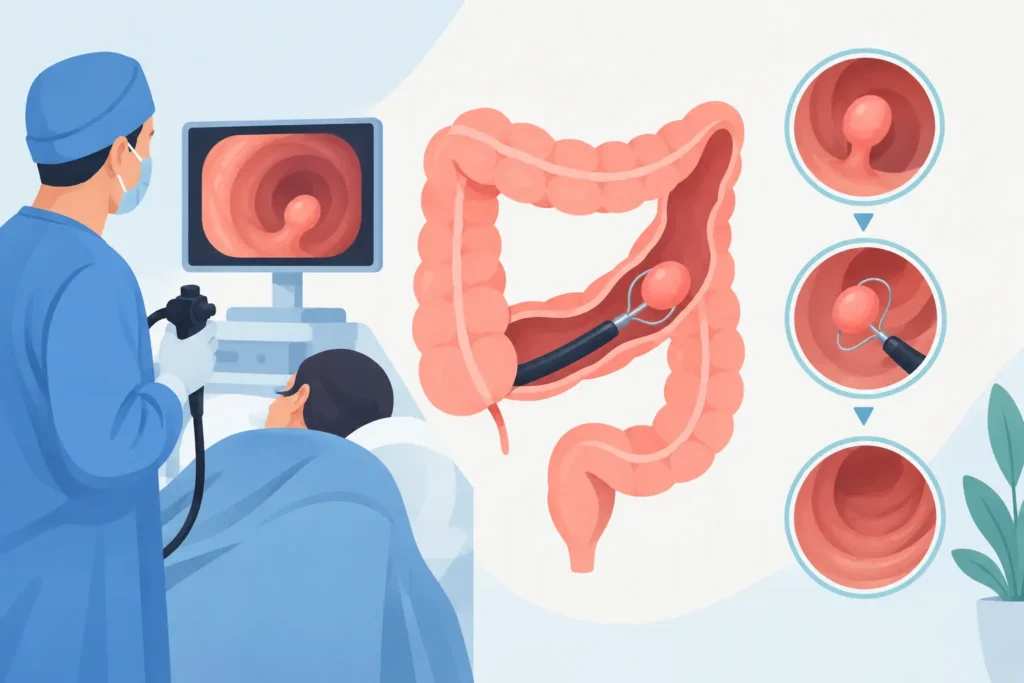
During colonoscopy, the physician examines the colon using a thin, flexible instrument with a camera. If a polyp is found, removal may be performed with a small wire loop, specialized forceps, or an advanced endoscopic technique. The method is selected based on the polyp’s size, shape, and position.
Small polyps can frequently be removed with forceps or a snare. Larger or flatter growths may require a more detailed approach, such as endoscopic mucosal resection. In some cases, a large or complex polyp should be removed by an advanced endoscopist or evaluated for surgery. This does not automatically mean cancer is present. It means the safest and most complete treatment plan deserves careful planning.
Patients are typically sedated and do not feel the removal itself. The tissue is then sent to a laboratory for examination under a microscope. The pathology report, not the visual appearance alone, determines what kind of polyp was removed and what follow-up is appropriate.
Colonoscopy polyp removal outcomes: what they can mean
For most patients, the outcome is reassuring: the polyp is completely removed, pathology shows no cancer, and the patient returns for surveillance at an interval based on their personal risk. The removal itself may eliminate a precancerous lesion before it has the opportunity to progress.
Pathology commonly identifies polyps as hyperplastic, adenomatous, or serrated. Hyperplastic polyps, especially when small and located in the lower colon, are often low risk. Adenomas and certain serrated polyps can be precancerous, which is why finding and removing them matters even when a patient feels completely well.
A pathology report may also describe features that affect follow-up, including polyp size, the number of polyps, cellular changes called dysplasia, and whether removal appears complete. A larger polyp or one with more advanced cellular changes may call for a shorter surveillance interval than a single small, low-risk polyp.
Cancer found within a removed polyp is uncommon, but it requires a more individualized discussion. Your gastroenterologist will consider whether the abnormal tissue was fully removed, how deeply it extended, and whether additional endoscopic treatment, imaging, surgery, or oncology evaluation is needed. Clear communication is especially important here: a result that sounds concerning may still be highly treatable, particularly when found early.
Recovery after polyp removal
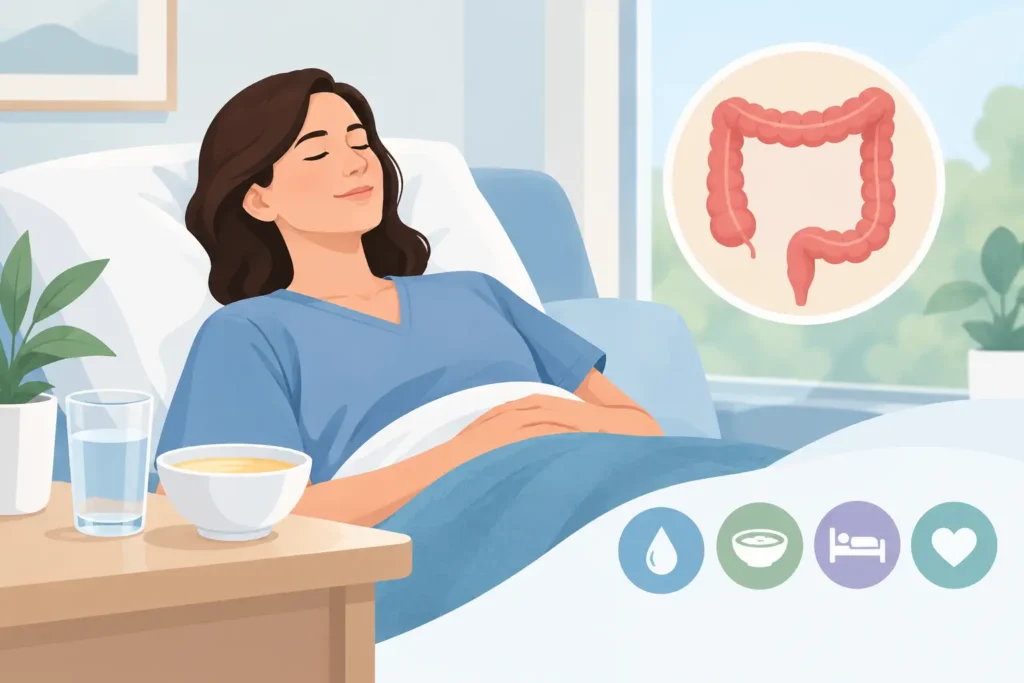
Most people resume normal activities by the next day, depending on the sedation used and the complexity of the removal. It is common to have temporary bloating, gas, or mild cramping after colonoscopy because air or carbon dioxide is used to expand the colon during the exam.
If you received sedation, arrange for a responsible adult to drive you home and avoid driving, alcohol, legal decisions, or operating machinery for the remainder of the day. Follow the discharge instructions provided by your care team, including guidance on meals, medications, and activity.
A simple polyp removal rarely requires major dietary restrictions. Your physician may recommend a lighter meal after the procedure or give specific instructions if a larger lesion was removed. Patients who take blood thinners, aspirin, diabetes medications, or certain anti-inflammatory medicines should follow individualized instructions carefully. Stopping or restarting these medications without guidance can create avoidable risk.
Serious complications are uncommon, but patients should know when to call. Contact your medical team promptly for severe or worsening abdominal pain, fever, persistent vomiting, dizziness or fainting, heavy rectal bleeding, or bleeding that continues or increases after the procedure. A small amount of blood after removal can occur, particularly with larger polyps, but it should never be ignored if it is substantial or accompanied by other symptoms.
When will pathology results be available?
The physician can often tell you how the procedure went before you leave, including how many polyps were removed and whether any appeared larger or more complex. Final pathology takes longer because the laboratory must process and examine the tissue. Results are commonly available within several days to two weeks, depending on laboratory processes and the procedure details.
It is reasonable to ask how and when you will receive your results. A complete follow-up discussion should cover the type of polyp, whether it was fully removed, your recommended timing for the next colonoscopy, and whether your family history changes the plan.
Do not assume that “benign” means no future surveillance is needed. In this setting, benign usually means the tissue is not cancer. Some benign polyps are still precancerous and signal that periodic monitoring remains valuable.
Follow-up timing is personalized
There is no single interval that fits every patient after polyp removal. Some patients can wait many years before another colonoscopy. Others need repeat screening sooner because they had multiple polyps, a larger adenoma, advanced pathology, a serrated lesion with higher-risk features, incomplete removal, or a strong family history of colorectal cancer or polyps.
Your medical history also matters. Inflammatory bowel disease, such as ulcerative colitis or Crohn’s colitis, can require a different surveillance strategy. New symptoms between scheduled exams, including unexplained rectal bleeding, ongoing changes in bowel habits, unexplained iron-deficiency anemia, or persistent abdominal pain, also deserve medical attention rather than waiting for the next routine test.
The goal is not to perform colonoscopy more often than necessary. It is to use the right interval for your risk profile, balancing prevention with safety, comfort, and clinical need.
Questions worth asking after your procedure
Before you leave or when pathology is reviewed, make sure you understand your next step. Ask what type of polyp was found, whether it was completely removed, and when your next colonoscopy should occur. If a shorter follow-up interval is recommended, ask what feature of the result led to that recommendation.
It can also help to ask whether close relatives should discuss earlier screening with their own physician. Certain findings, particularly advanced adenomas or colorectal cancer at a younger age, may affect family screening recommendations.
Keep a copy of your colonoscopy and pathology results in your health records. This is useful if you change physicians, move, or need care from other specialists. Accurate records help your future care team avoid both missed surveillance and unnecessary repeat procedures.
Prevention continues after the procedure
Polyp removal is a meaningful preventive step, but it is one part of ongoing colorectal health. Attend recommended follow-up visits, share updates to your family history, and discuss persistent digestive symptoms rather than self-treating them for months.
Lifestyle habits can support overall colon and metabolic health as well. A pattern that includes fiber-rich foods, regular physical activity, limited alcohol, tobacco avoidance, and weight management may lower colorectal cancer risk while benefiting heart, liver, and digestive health. These steps do not replace surveillance when it is recommended, but they can strengthen a long-term prevention plan.
At NJ Gastroenterology & Health Wellness, board-certified gastroenterology care is designed to turn screening findings into a clear, individualized plan. If you are due for a colonoscopy, have received a polyp pathology result, or need guidance on your follow-up interval, a timely conversation with a gastroenterology specialist can replace uncertainty with a practical next step.