
A burning sensation after a large meal may improve with simple changes. But reflux that keeps waking you at night, trouble swallowing, unexplained anemia, or persistent upper abdominal pain deserves a closer look. Patients often ask, when is endoscopy necessary? The answer depends on your symptoms, medical history, age, risk factors, and whether initial treatment has helped.
Upper endoscopy is a focused diagnostic procedure that allows a gastroenterologist to examine the lining of the esophagus, stomach, and first part of the small intestine. It can identify inflammation, ulcers, narrowing, bleeding, infections, and abnormal tissue that cannot be confirmed through symptoms alone. In many cases, it also allows treatment or tissue sampling during the same procedure.
When Is Endoscopy Necessary for Digestive Symptoms?
Endoscopy is not automatically needed for every episode of indigestion, bloating, or heartburn. Many short-lived symptoms respond to dietary adjustments, medication, and observation under a physician’s guidance. However, a board-certified gastroenterologist may recommend endoscopy when symptoms are persistent, recurrent, severe, or concerning for a condition that requires a clear diagnosis.
One of the most common reasons is ongoing gastroesophageal reflux disease, or GERD. Occasional reflux can occur after certain foods or late meals. When heartburn happens regularly, does not respond adequately to treatment, or returns when medication is stopped, an upper endoscopy can check for complications such as esophagitis, ulcers, narrowing of the esophagus, or Barrett’s esophagus.
Barrett’s esophagus is a change in the lining of the lower esophagus associated with chronic acid exposure. It does not cause unique symptoms, which is why endoscopy may be appropriate for certain patients with longstanding reflux and additional risk factors. If Barrett’s is found, biopsies and a personalized surveillance plan can help guide next steps.
Symptoms that need timely evaluation
Some symptoms should prompt a conversation with a gastroenterologist soon rather than continued self-treatment. These include difficulty swallowing, pain with swallowing, food feeling stuck after swallowing, frequent vomiting, unexplained weight loss, ongoing nausea, persistent upper abdominal pain, black stools, vomiting blood, or iron-deficiency anemia without a clear cause.
These signs do not always mean a serious disease is present. They can result from treatable inflammation, an ulcer, a medication effect, or a benign narrowing. Still, they are considered alarm symptoms because an endoscopy may be the most direct way to identify the source and avoid delays in care.
Vomiting blood, passing black or tar-like stool, fainting, severe chest pain, or severe abdominal pain can indicate an urgent problem. Seek emergency medical care rather than waiting for a routine office visit.
Conditions an Upper Endoscopy Can Diagnose and Treat
An upper endoscopy provides information that blood tests, symptom descriptions, and imaging studies may not provide. The physician can inspect the digestive tract in real time and take small biopsies when needed. Biopsies are typically painless because the lining of the digestive tract does not sense a biopsy in the same way skin does.
The procedure may help diagnose or evaluate GERD complications, Barrett’s esophagus, peptic ulcers, gastritis, celiac disease, H. pylori infection, esophageal strictures, hiatal hernia, and certain causes of upper gastrointestinal bleeding. It can also help assess symptoms in people with a history of stomach or esophageal conditions that need monitoring.
Endoscopy is not only diagnostic. Depending on the finding, your gastroenterologist may be able to stop bleeding, remove certain growths, widen a narrowed area of the esophagus, or retrieve an object that has become stuck. Whether treatment can be completed during the same procedure depends on the reason for the exam and what is found.
Endoscopy for Reflux: When Medication Is Not the Whole Answer
Acid-reducing medicines can be very effective, but persistent symptoms do not necessarily mean you simply need a higher dose. Reflux-like symptoms can overlap with swallowing disorders, eosinophilic esophagitis, ulcers, functional dyspepsia, or other conditions. Endoscopy can clarify whether there is visible injury or whether a different evaluation is needed.
Your physician may also review factors that can contribute to reflux, including meal timing, alcohol, tobacco use, certain medications, weight changes, sleep position, and hiatal hernia. For patients managing obesity, insulin resistance, or fatty liver disease alongside digestive symptoms, coordinated care can be especially valuable. A treatment plan should address the underlying clinical picture, not treat heartburn as an isolated concern.
There is a trade-off to consider. Endoscopy is highly useful when the result is likely to change management, but it is an invasive procedure and is not always the first test for uncomplicated symptoms. Your gastroenterologist will weigh the expected benefit against the preparation, sedation, cost, and small procedural risks.
What to Expect Before, During, and After Endoscopy
Before the procedure, your care team will review your symptoms, medications, allergies, prior surgeries, medical conditions, and family history. Be sure to mention blood thinners, diabetes medications, weight-loss medications, and any prior problems with anesthesia or sedation. You will receive specific instructions about fasting and medication adjustments.
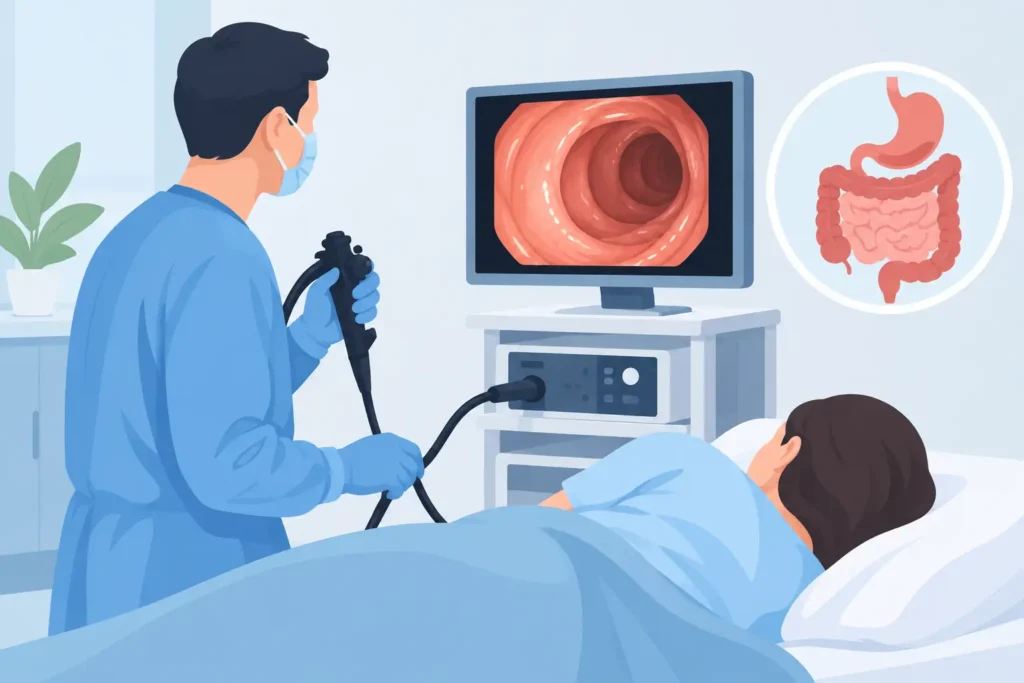
Most upper endoscopies are performed with sedation to support comfort. A thin, flexible scope with a camera passes through the mouth and into the upper digestive tract. The procedure itself often takes less than 30 minutes, though arrival, preparation, recovery, and discharge take longer. You will need a responsible adult to drive you home after sedation.
Mild throat soreness, bloating, or drowsiness can occur afterward and usually resolve quickly. Your physician may discuss preliminary findings before you leave, while biopsy results can take several days. If tissue is collected, the pathology report helps determine whether inflammation, infection, cellular changes, or another condition is present.
Serious complications are uncommon, but your team will explain risks that may include bleeding, reaction to sedation, perforation, or infection. The risk varies based on your health and whether treatment is performed during the procedure. Call your care team promptly after the exam for worsening pain, fever, chest pain, shortness of breath, vomiting, or signs of bleeding.
Endoscopy Is Different From Colonoscopy
Patients sometimes use the word “endoscopy” to describe any camera-based digestive procedure. Technically, colonoscopy is also an endoscopic procedure, but it examines the colon and rectum, while an upper endoscopy examines the esophagus, stomach, and upper small intestine.
The right test depends on where symptoms are occurring and what your physician needs to evaluate. Black stools or trouble swallowing may lead to an upper endoscopy, while rectal bleeding, changes in bowel habits, or routine colorectal cancer screening may call for colonoscopy. In some situations, both tests are recommended because symptoms or lab results suggest a possible source in either area of the digestive tract.
A Personal Decision, Guided by the Right Evaluation
The decision to schedule an endoscopy should follow a thoughtful consultation, not guesswork or online symptom searching. A gastroenterologist can review what you are experiencing, identify warning signs, consider less invasive options when appropriate, and determine whether endoscopy will provide information that changes your care.
At NJ Gastroenterology & Health Wellness, patients receive physician-directed evaluation built around their symptoms, history, and long-term digestive and metabolic health goals. If reflux, swallowing changes, unexplained anemia, or upper abdominal symptoms are interfering with your life, scheduling an evaluation is a practical next step toward answers and a treatment plan you can trust.