A gallbladder attack can feel sudden: intense pain beneath the right ribs, nausea after a rich meal, or discomfort that wakes you from sleep. So, can obesity cause gallstones? Obesity is a significant risk factor for gallstones, but it is rarely the only factor. Body weight, metabolic health, diet patterns, genetics, and the pace of weight loss can all affect how the gallbladder functions.
For patients managing both digestive symptoms and weight concerns, the key is not simply losing weight as quickly as possible. It is understanding the connection, identifying symptoms that need evaluation, and creating a medically appropriate plan that protects long-term health.
How Obesity Raises Gallstone Risk
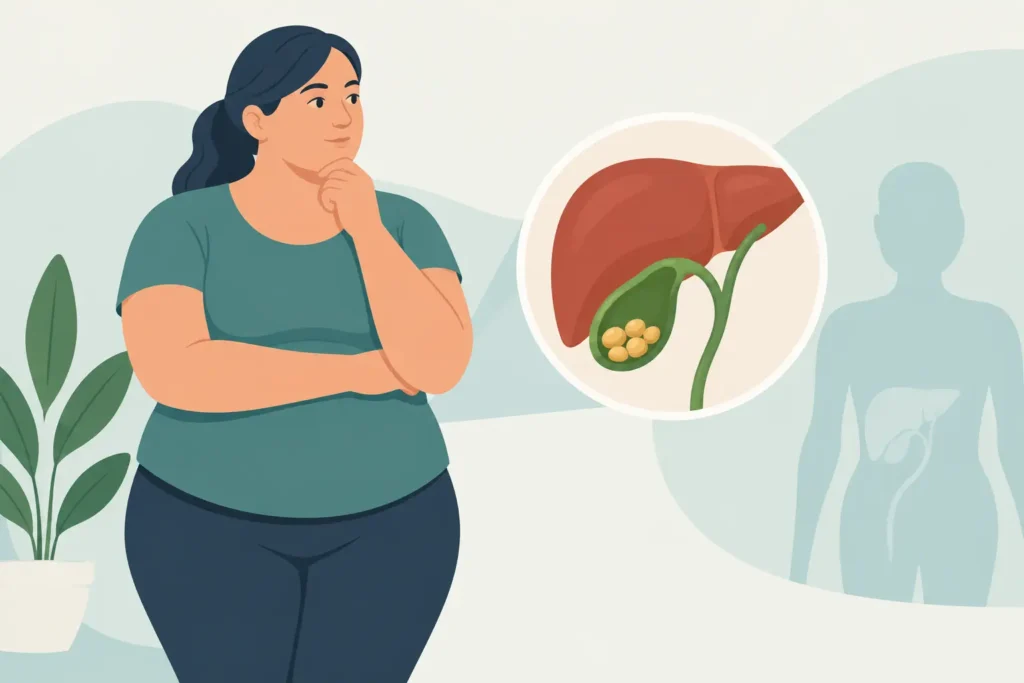
The gallbladder is a small organ under the liver that stores bile, a digestive fluid that helps the body absorb fats. Gallstones form when components of bile, most often cholesterol, harden into crystal-like stones. Some remain silent for years. Others block the flow of bile and lead to painful or potentially serious complications.
Obesity can raise the risk of cholesterol gallstones in several connected ways. Excess body weight may cause the liver to release more cholesterol into bile. When bile contains more cholesterol than it can keep dissolved, crystals can begin to form. Obesity and insulin resistance may also reduce normal gallbladder emptying. Bile that sits in the gallbladder longer is more likely to become concentrated and form stones.
This is why gallstones are not just a food-choice issue. They can reflect a broader metabolic picture that includes insulin resistance, high triglycerides, fatty liver disease, and inflammation. A physician should consider that full picture rather than treating abdominal pain or weight gain as separate concerns.
Risk rises, but gallstones are not inevitable
Many people with obesity never develop gallstones, and people at lower body weights can develop them as well. Risk is shaped by age, family history, sex, pregnancy history, certain medications, diabetes, liver disease, and conditions that affect the breakdown of red blood cells.
Women are diagnosed with gallstones more often than men, partly because estrogen can increase cholesterol levels in bile and affect gallbladder movement. Risk also tends to increase with age. Still, these patterns are not a substitute for an evaluation when symptoms are present.
Can Rapid Weight Loss Cause Gallstones Too?
There is an important trade-off: while gradual weight reduction can improve metabolic health over time, rapid weight loss can temporarily increase the chance of gallstones. This can occur after very-low-calorie diets, prolonged fasting, bariatric surgery, or any program that leads to substantial weight loss in a short period.
During rapid weight loss, the liver may send additional cholesterol into bile. At the same time, the gallbladder may not contract as regularly, especially when meals are skipped or dietary fat is extremely limited. Those two changes create favorable conditions for gallstone formation.
This does not mean patients should avoid medically indicated weight loss or assume a weight-loss medication is automatically unsafe. It means the plan matters. Patients using physician-guided GLP-1 medications such as semaglutide or tirzepatide should discuss prior gallstones, gallbladder symptoms, their rate of weight loss, and any new upper abdominal pain with their medical team. These medications can support meaningful weight reduction for eligible patients, but treatment should include monitoring and adjustments based on the individual.
A clinically supervised program can help set a sustainable pace, preserve nutrition, manage side effects, and recognize when symptoms need prompt testing. Commercial programs that focus only on the number on the scale may miss these important digestive and metabolic considerations.
Symptoms That May Point to Gallstones
Gallstones often cause no symptoms and may be found incidentally during imaging for another reason. Treatment is not always needed for silent gallstones. Symptoms deserve attention when a stone blocks a duct or triggers inflammation.
Gallbladder pain, sometimes called biliary colic, often occurs in the upper right or upper middle abdomen. It may start after a meal, particularly one high in fat, and can last from minutes to several hours. Pain may spread to the back or right shoulder. Nausea, vomiting, bloating, and indigestion can occur, although these symptoms alone do not confirm gallstones.
Seek urgent medical care for severe or persistent abdominal pain, fever or chills, repeated vomiting, yellowing of the skin or eyes, dark urine, or pale stools. These signs can indicate inflammation of the gallbladder, infection, or a stone in the bile duct. A blocked bile duct can also trigger pancreatitis, which requires timely medical treatment.
How Gallstones Are Diagnosed
An accurate diagnosis starts with a conversation about your symptoms, medical history, medications, eating patterns, and weight changes. Because reflux, ulcers, liver conditions, pancreatitis, and intestinal disorders can cause overlapping symptoms, self-diagnosis is not reliable.
An abdominal ultrasound is usually the first test used to look for gallstones and signs of gallbladder inflammation. Blood work may assess the liver, pancreas, infection markers, and bile duct obstruction. In some cases, additional imaging or endoscopic evaluation is needed to better examine the bile ducts.
At NJ Gastroenterology & Health Wellness, coordinated digestive and medical weight management care can be especially valuable when gallbladder symptoms occur alongside obesity, fatty liver disease, reflux, or metabolic concerns. The goal is to identify the source of symptoms and build a treatment plan around the patient, not make assumptions based on weight alone.
Treatment Depends on Symptoms and Complications
A person with gallstones but no symptoms may only need observation and education about warning signs. Once gallstones are causing repeated pain, inflammation, or complications, removal of the gallbladder is commonly recommended. This surgery, called cholecystectomy, is generally performed using minimally invasive techniques.
If a gallstone has moved into the common bile duct, an advanced endoscopic procedure may be used to remove it before or around the time of surgery. The right approach depends on where the stone is located, whether there is infection or pancreatitis, and the patient’s overall health.
Dietary changes may reduce symptoms for some people while they await evaluation or treatment, but they do not dissolve most cholesterol gallstones. Avoiding personal trigger foods and limiting very large, high-fat meals can be reasonable. However, recurrent pain should not be managed indefinitely with restrictive eating alone when a blockage or inflammation may be present.
Reducing Risk Without Extreme Dieting
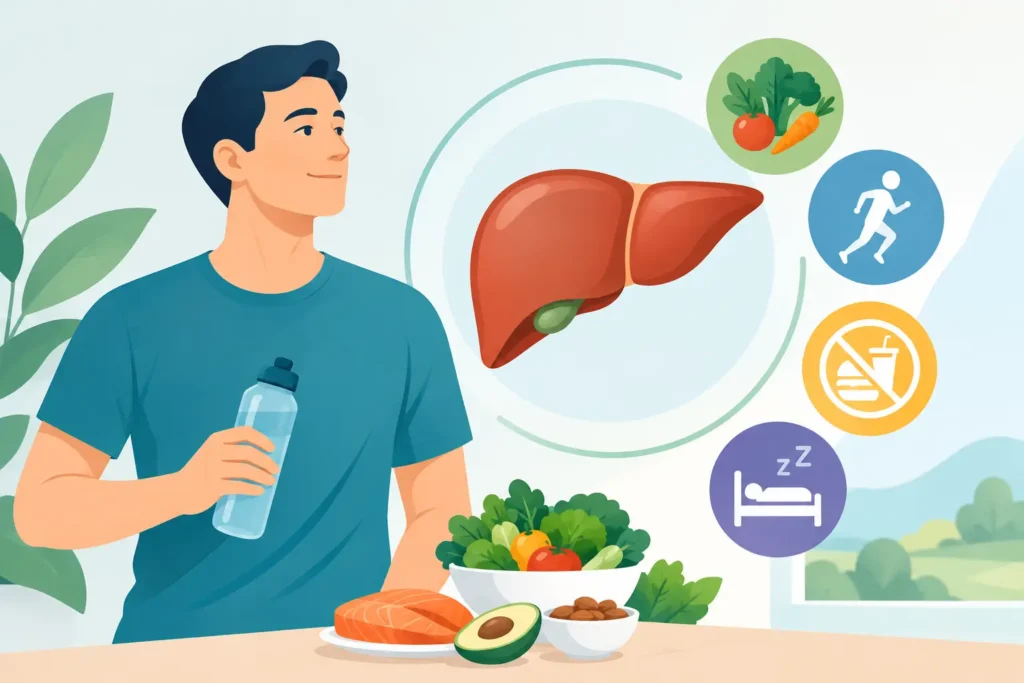
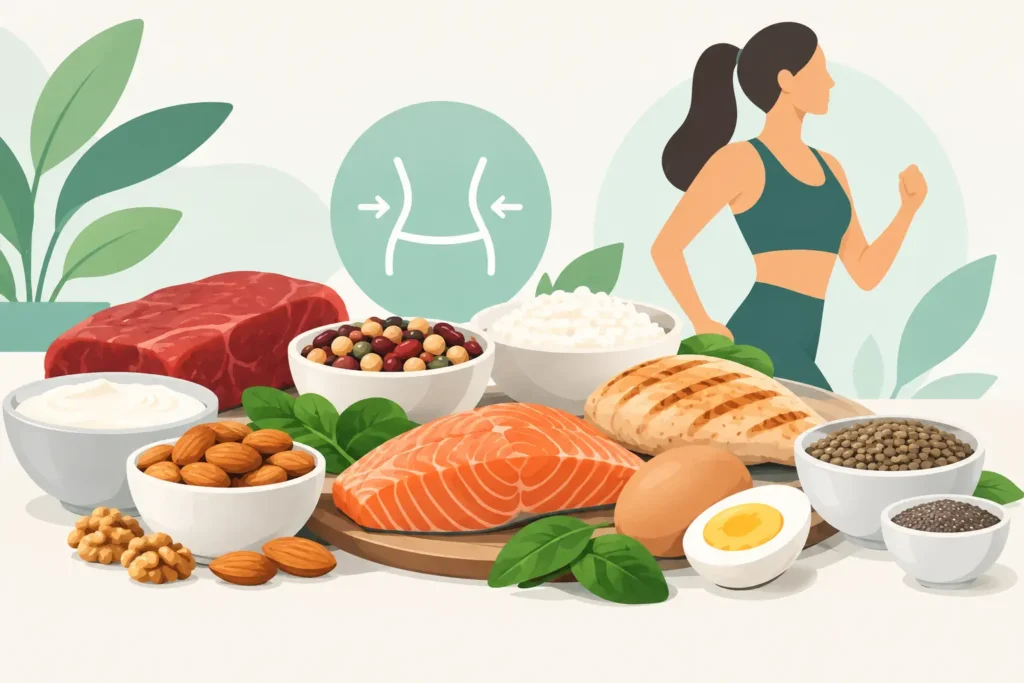
There is no guaranteed way to prevent gallstones, but steady habits can support gallbladder and metabolic health. Gradual, physician-guided weight loss is generally preferable to crash dieting. Regular meals can help keep the gallbladder contracting, and a balanced eating plan that includes fiber, lean proteins, healthy fats, and minimally processed foods is more sustainable than an overly restrictive approach.
Physical activity, diabetes management, and treatment for high cholesterol or fatty liver disease can also improve the metabolic factors tied to gallstone risk. The details should be personalized. Someone with active gallbladder pain needs diagnostic care first, while someone without symptoms may benefit most from a long-term weight and metabolic health plan.
If you have upper abdominal pain, unexplained nausea after meals, or concerns about losing weight safely, a medical evaluation can provide clarity before symptoms become more disruptive. The most effective next step is one that addresses your gallbladder, digestion, liver health, and weight goals together.