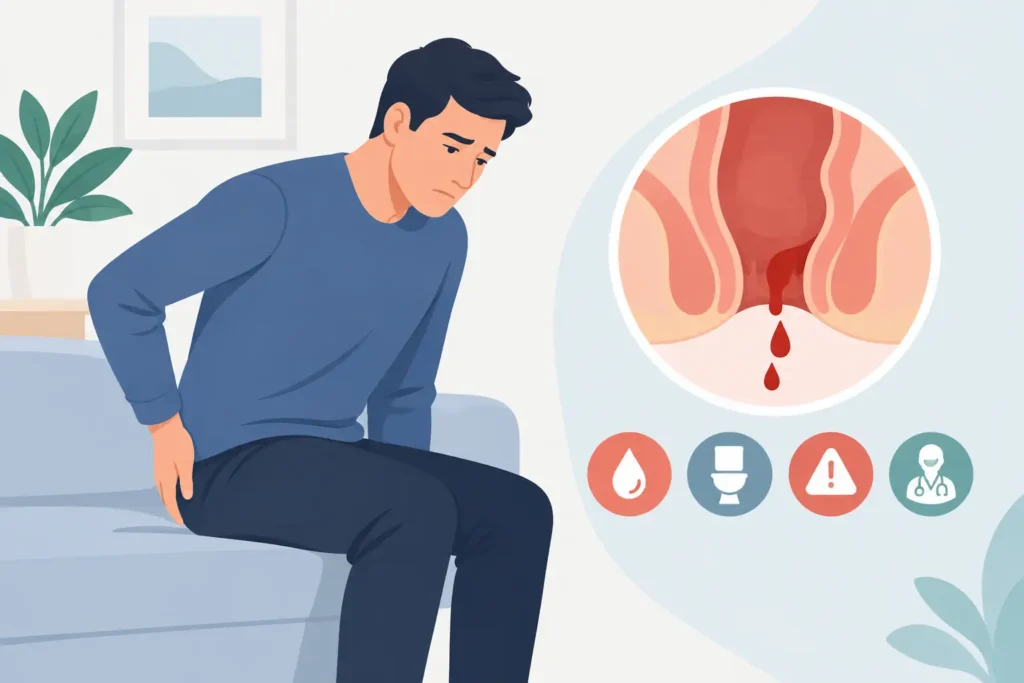
Seeing blood on toilet paper, in the toilet bowl, or mixed with stool can be alarming. Many people immediately wonder, when is rectal bleeding serious? The answer depends on the amount, color, pattern, and symptoms that occur with it. Hemorrhoids and small anal fissures are common causes, but rectal bleeding should never be dismissed without considering the full clinical picture.
A board-certified gastroenterologist can help identify where bleeding is coming from, determine whether it needs urgent treatment, and recommend a plan based on your history, age, medications, and other symptoms. The goal is not to assume the worst. It is to get an accurate answer without delay.
When Is Rectal Bleeding Serious?
Rectal bleeding is more concerning when it is heavy, recurring, unexplained, or accompanied by symptoms that suggest significant blood loss, infection, inflammation, or a problem higher in the digestive tract. Bright red blood often comes from the lower rectum or anus, while dark red, maroon, or black stool can indicate bleeding farther up in the gastrointestinal tract. Color alone cannot confirm a cause, but it helps guide the evaluation.
Seek emergency care right away if bleeding is heavy or does not stop, or if you feel faint, confused, short of breath, weak, or have chest pain. These may be signs of substantial blood loss or low blood pressure. Black, tarry stool and vomiting blood also require urgent evaluation.
You should contact a medical professional promptly for any of the following:
- Bleeding that continues for more than a day or two, returns repeatedly, or occurs without an obvious explanation
- Blood mixed into the stool, dark red or maroon blood, or black, sticky-looking stool
- Abdominal pain, fever, persistent diarrhea, vomiting, or a new change in bowel habits
- Unintentional weight loss, loss of appetite, fatigue, anemia, or a personal or family history of colorectal cancer, polyps, or inflammatory bowel disease
Even a small amount of blood warrants a timely appointment if you are age 45 or older and not up to date on colorectal cancer screening. Bleeding should not automatically be blamed on hemorrhoids simply because hemorrhoids are present.
Common Causes of Blood From the Rectum
The source of bleeding can range from minor irritation to a condition requiring specialized treatment. A careful history and examination are the most reliable way to tell the difference.
Hemorrhoids
Hemorrhoids are swollen veins inside or around the anus. They often cause painless, bright red blood on toilet paper or in the bowl, especially after straining or passing a hard stool. They may also cause itching, discomfort, or a feeling of fullness.
Although hemorrhoids are common, not every episode of bleeding is caused by them. Persistent symptoms, substantial bleeding, or a change in the usual pattern deserves evaluation.
Anal fissures
An anal fissure is a small tear in the lining of the anus, commonly caused by constipation, hard stools, or repeated diarrhea. Bleeding is usually bright red and may be accompanied by sharp pain or burning during and after a bowel movement. Treatment often focuses on improving stool consistency and allowing the area to heal, but ongoing fissures should be assessed.
Diverticular bleeding and vascular changes
Diverticula are small pouches that can form in the colon. In some cases, they can bleed suddenly, sometimes producing a noticeable amount of bright red or maroon blood with little or no pain. Fragile blood vessels in the colon can also bleed. These causes may require urgent assessment, particularly when bleeding is significant.
Inflammation, infection, and inflammatory bowel disease
Ulcerative colitis and Crohn’s disease can cause rectal bleeding along with diarrhea, urgency, mucus, cramping, fatigue, and weight loss. Infections and other forms of colitis can produce similar symptoms, especially when fever or acute abdominal pain is present.
For people already managing inflammatory bowel disease, new or worsening bleeding may signal a flare or a need to adjust treatment. Ongoing care can help protect intestinal health while addressing symptoms before they become more disruptive.
Polyps and colorectal cancer
Colon polyps and colorectal cancer may cause no symptoms at all. When symptoms occur, they can include blood in or on the stool, a lasting change in bowel habits, unexplained anemia, abdominal discomfort, or unintended weight loss. Early colorectal cancer is often highly treatable, which is one reason preventive screening and prompt evaluation of bleeding matter.
The Details Your Gastroenterologist Will Consider
A few questions can help determine how urgently rectal bleeding needs attention. Was the blood bright red, dark red, or black? Was it only on the paper, dripping into the bowl, or mixed with stool? Did it happen once after constipation, or has it continued for weeks?
Your clinician will also ask about bowel changes, pain, diarrhea, medications, and health history. Blood thinners, aspirin, anti-inflammatory medications such as ibuprofen, and some supplements can increase bleeding risk or make a small source of bleeding more noticeable. Do not stop prescribed blood-thinning medication on your own. Contact the clinician who manages it for guidance.
Age and family history also matter. A younger person with a painful fissure after constipation may need a different approach than an adult with painless recurring bleeding, iron-deficiency anemia, or a family history of colon cancer. Personalized evaluation prevents both under-testing and unnecessary testing.
What Testing May Be Needed?
The right next step depends on your symptoms and level of risk. A physical examination may identify hemorrhoids, fissures, or other anorectal concerns. Your clinician may also recommend blood work to check for anemia or signs of inflammation.
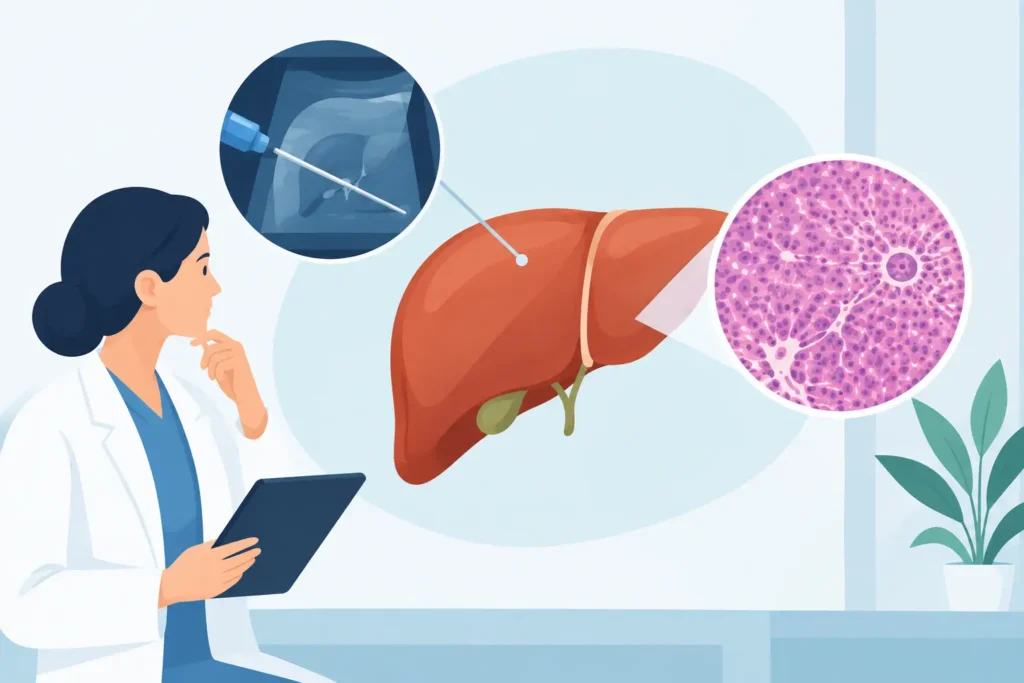
For bleeding that is persistent, unexplained, recurrent, or associated with screening risk factors, a colonoscopy may be recommended. During this procedure, a gastroenterologist examines the colon using a thin, flexible camera. Colonoscopy can identify inflammation, diverticular disease, polyps, and cancer, and it may allow certain polyps or bleeding sources to be treated during the same procedure.
Not everyone with one small episode of bright red blood needs an immediate colonoscopy. However, a clinician should make that decision after considering the whole picture. Self-diagnosing hemorrhoids can delay care when another condition is responsible.
What to Do While You Arrange Care
If bleeding is mild and you feel otherwise well, note when it happens and what it looks like. Pay attention to whether it follows straining, constipation, diarrhea, or a new medication. Avoid prolonged sitting and straining on the toilet, drink enough fluids, and aim for regular, soft stools through a fiber-rich eating pattern if your clinician has not advised otherwise.
Avoid treating recurring bleeding with over-the-counter hemorrhoid products indefinitely. These products may ease irritation, but they do not identify the source of bleeding. Similarly, do not assume that a normal stool color means there is no concern if fatigue, unexplained weight loss, or bowel changes are present.
If you have heavy bleeding, dizziness, fainting, severe abdominal pain, black stool, or rapid worsening symptoms, do not wait for an office appointment. Seek emergency medical care.
A Clear Path to Answers
At NJ Gastroenterology & Health Wellness, evaluation begins with listening carefully to your symptoms, medical history, and screening needs. From there, a board-certified gastroenterology team can determine whether you need focused treatment for a common anorectal condition, diagnostic testing, or preventive colon cancer screening.
Rectal bleeding can feel embarrassing, but it is a symptom clinicians evaluate every day. Scheduling a timely visit gives you a clearer answer, a safer plan, and the reassurance that comes from addressing the cause rather than guessing.