
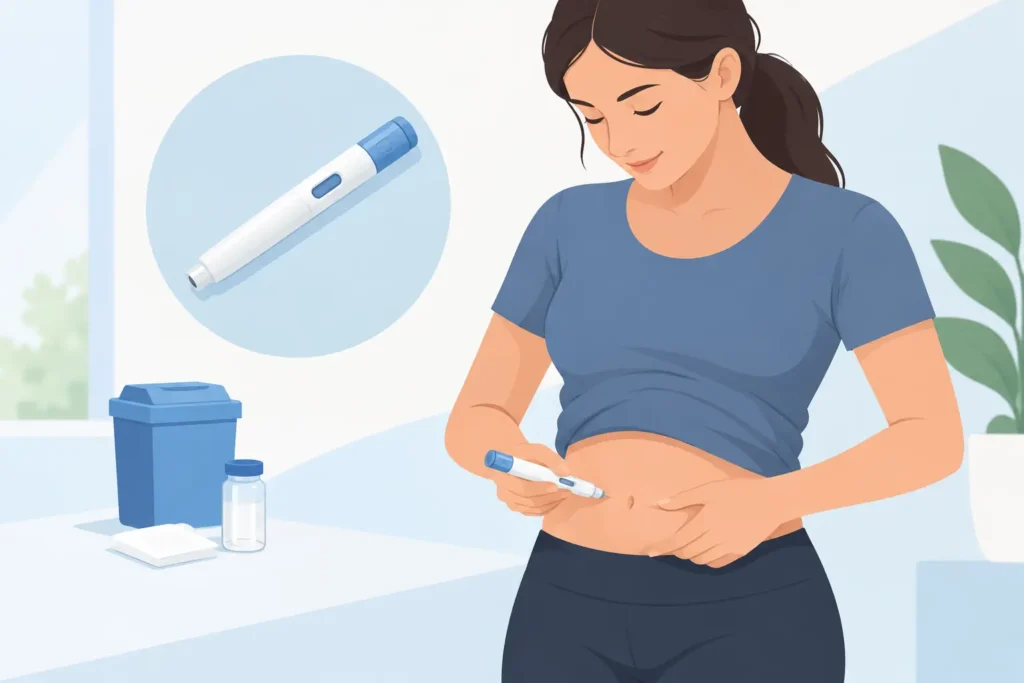
A weekly medication can become part of a sustainable weight-management plan, but confidence with the first dose matters. A correct semaglutide injection technique helps ensure the medication is delivered as prescribed while reducing avoidable discomfort, skin irritation, and uncertainty. Your prescribing clinician and pharmacist should always be your primary sources for instructions, because pen designs, medication strengths, and schedules can differ.
Semaglutide is a prescription medication used for certain adults with type 2 diabetes and, when clinically appropriate, chronic weight management. It works by acting on pathways involved in appetite, blood sugar regulation, and digestion. For patients with obesity, metabolic concerns, or fatty liver disease, it may be one part of a broader plan that also considers nutrition, activity, medical history, digestive symptoms, and long-term goals.
Before Your First Injection
Your care team should show you how to use your specific device before you inject at home. Bring the pen and any questions to your appointment if you need hands-on guidance. Do not assume that instructions for a different GLP-1 medication, an older pen, or a medication used by a friend apply to your prescription.
Before each dose, check the medication label, prescribed dose, and expiration date. Look at the liquid through the pen window if your device has one. Follow the manufacturer instructions and do not use a product that looks discolored, cloudy when it should be clear, frozen, damaged, or otherwise unusual. If anything seems wrong, contact your pharmacy or prescribing office before injecting.
Wash your hands with soap and water. Have a new needle ready if your pen requires one, along with an FDA-cleared sharps container for disposal. Never share a semaglutide pen or needle, even if the needle has been changed. Sharing can expose people to serious infections.
Semaglutide Injection Technique Step by Step
Semaglutide is injected into the fatty layer just beneath the skin, called subcutaneous tissue. It is not injected into a muscle or vein. Common injection areas are the abdomen, upper thigh, or upper arm. If you are injecting yourself, the abdomen and thigh are often easiest to reach safely. The upper arm may be more practical when another trained person is giving the injection.
Choose an area of healthy skin. Avoid skin that is bruised, tender, hard, scarred, irritated, or affected by a rash. For abdominal injections, stay away from the area immediately around the belly button. Rotating locations matters. You can use the same general body area from week to week, but choose a different spot within that area rather than injecting repeatedly into the exact same point.
Use the instructions provided with your specific pen. In general, you will attach a new needle if required, prepare the pen as directed, place it firmly against clean skin, and activate the injection. Keep the pen in place for the amount of time stated in your device instructions so the full dose is delivered. Removing it too quickly can lead to medication leaking onto the skin or an incomplete dose.
Afterward, carefully remove the needle if your device instructions direct you to do so and place it directly into a sharps container. Do not recap a used needle with your fingers, throw loose needles in household trash, or reuse needles. A small drop of blood at the injection site can occur. Apply light pressure with clean gauze or a cotton ball if needed. Rubbing the area is usually unnecessary and may increase irritation.
A brief sting, minor redness, or a small bump can happen. These effects are often mild and short-lived. Call your medical team if redness spreads, swelling worsens, pain is significant, the area becomes warm or drains, or you develop signs of an allergic reaction such as trouble breathing, facial swelling, or widespread hives. Severe symptoms require urgent medical attention.
If You Are Using Medication From a Vial
Some patients may receive semaglutide in a vial rather than a prefilled pen. The technique, concentration, syringe type, and measurement instructions are different. Never estimate a dose or convert units based on information found online or a different medication label. Dosing errors can be serious.
Ask your prescribing clinician or pharmacist to demonstrate exactly how to draw up and inject the medication. Use only the syringe and needle size recommended for your prescription, and confirm what number on the syringe corresponds to your prescribed dose.
Timing, Storage, and Missed Doses
Choose a consistent day of the week for your injection. Some semaglutide products can be taken at any time of day, with or without food, but your medication guide controls. A calendar reminder, phone alert, or notation in a health journal can make a weekly medication easier to remember.
Store your medication exactly as directed on the pharmacy label and manufacturer instructions. Many pens require refrigeration before first use and have specific temperature limits after first use. Heat, freezing temperatures, and direct light can affect medication quality. Do not leave a pen in a hot car, near a heating vent, or in a freezing environment.
Missed-dose guidance is product-specific. The safe window for taking a late dose varies by brand and prescription schedule. Do not take an extra injection, double a dose, or change your schedule without professional direction. If you miss a dose, contact your prescribing office or pharmacist for instructions based on the medication you use and when the dose was due.
Injection Technique Is Only One Part of Safe Treatment
Proper use of the pen matters, but it is not the full picture. Semaglutide can cause gastrointestinal side effects, particularly nausea, constipation, diarrhea, vomiting, stomach discomfort, or reduced appetite. Slow dose adjustments, meal planning, hydration, and regular clinician follow-up can help your care team address symptoms early.
Contact your clinician promptly for persistent vomiting, inability to keep fluids down, severe or ongoing abdominal pain, symptoms of dehydration, or changes that concern you. These symptoms may need medical evaluation rather than simply waiting for the next dose. Your physician should also know about your full medication list, history of pancreatitis or gallbladder disease, kidney concerns, diabetes medications, and any pregnancy plans.
For people with digestive disease, fatty liver disease, reflux, or long-standing bowel symptoms, weight-management treatment deserves coordinated care. Appetite changes and gastrointestinal side effects may overlap with preexisting conditions, and a personalized plan can make a meaningful difference in comfort and adherence. At NJ Gastroenterology & Health Wellness, physician-supervised weight management can be coordinated with digestive, liver, and metabolic care so treatment decisions reflect your whole health history.
A successful medication plan should feel medically guided, not improvised. If you are unsure about your semaglutide injection technique, experiencing side effects, or considering whether treatment fits your health needs, schedule a consultation for clear instruction and a plan built around your individual goals.