Hemorrhoid symptoms can make an ordinary bowel movement, workday, or night of sleep unexpectedly uncomfortable. If you are wondering how to relieve hemorrhoid discomfort, the most effective first steps usually focus on reducing irritation, keeping stools easy to pass, and avoiding the habits that keep pressure on swollen veins. However, rectal pain or bleeding should not automatically be assumed to be hemorrhoids. A thoughtful evaluation can identify the cause and help you get the right treatment.
Hemorrhoids are swollen blood vessels in or around the anus and lower rectum. Internal hemorrhoids are located inside the rectum and may cause painless bleeding, while external hemorrhoids occur under the skin around the anus and can itch, swell, or hurt. A blood clot in an external hemorrhoid, called a thrombosed hemorrhoid, can cause sudden and significant pain.
How to Relieve Hemorrhoid Discomfort at Home
For mild symptoms, conservative care often provides meaningful relief within several days to a week. The goal is not to force a bowel movement or simply cover up pain. It is to reduce swelling and prevent further straining.
Soak in warm water
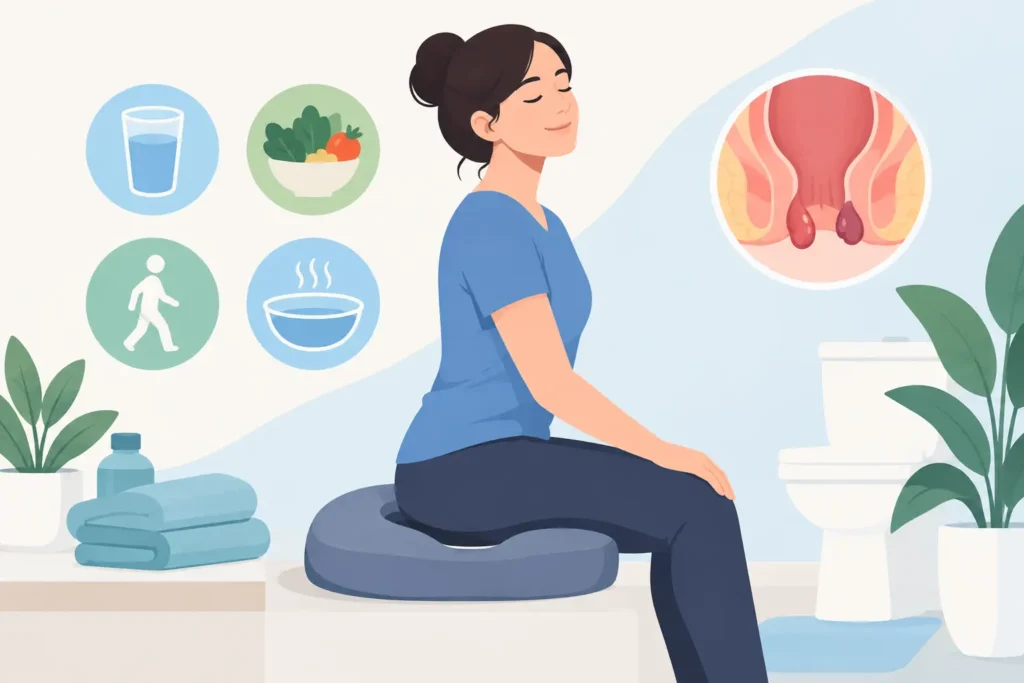
A warm bath or sitz bath for 10 to 15 minutes, two or three times a day and after bowel movements, can relax the anal muscles and soothe irritation. Use plain warm water rather than heavily fragranced soaps, bubble bath, or other products that may worsen burning and itching. Gently pat the area dry afterward instead of rubbing.
Use cool compresses for swelling
A cold pack wrapped in a clean cloth may temporarily reduce swelling and discomfort, particularly with external hemorrhoids. Apply it for short intervals, generally no more than 10 to 15 minutes at a time. Do not place ice directly on the skin.
Consider short-term over-the-counter relief
Products containing witch hazel, zinc oxide, pramoxine, or low-dose hydrocortisone may ease itching or irritation for some people. Hydrocortisone creams should generally be used only briefly unless a clinician directs otherwise, because prolonged use can thin and irritate the skin. Suppositories and topical products may help with symptoms, but they do not correct constipation, chronic straining, or another underlying cause.
For pain, acetaminophen may be an appropriate option for many adults. Nonsteroidal anti-inflammatory medicines, such as ibuprofen or naproxen, may not be suitable for everyone, especially people with kidney disease, ulcers, blood-thinning medications, or a history of gastrointestinal bleeding. Ask your physician or pharmacist if you are unsure what is safe with your health history and current medications.
Clean gently after bowel movements
Dry toilet paper can aggravate already sensitive skin. Unscented moist wipes or rinsing with water may feel more comfortable, but avoid products with alcohol, fragrance, or harsh preservatives. Even wipes labeled for sensitive skin can trigger irritation in some people. Gentle cleansing and thorough but careful drying are usually best.
Make Bowel Movements Easier to Pass
Hemorrhoids often improve only when the bowel habits that caused or aggravated them change. Constipation, hard stools, diarrhea, prolonged sitting on the toilet, and straining all increase pressure in the rectal veins.
Aim for regular, soft, formed stools. Gradually increasing fiber through foods such as beans, vegetables, fruit, whole grains, and psyllium fiber can help. Fiber works best with adequate fluids. Adding a large amount of fiber too quickly can cause gas and bloating, so increase slowly over several days or weeks.
A stool softener or osmotic laxative may be useful for short-term constipation, depending on your symptoms and medical history. For patients with IBS, inflammatory bowel disease, kidney disease, or ongoing bowel changes, the right approach can be more individualized. What helps constipation-related hemorrhoids may not be the best plan for frequent loose stools or an active digestive condition.
When you feel the urge to have a bowel movement, go rather than waiting. At the same time, avoid sitting on the toilet for long periods, scrolling on your phone, or repeatedly trying to force a bowel movement. Keeping toilet time brief reduces pressure on hemorrhoidal tissue. Some people also find that placing their feet on a small stool to create a more natural squatting position makes bowel movements easier.
Everyday Habits That Can Prevent More Irritation
Movement supports regular bowel function and reduces the long stretches of sitting that can worsen hemorrhoid pressure. A daily walk may help, especially for people whose work requires desk time or driving. If you sit for much of the day, stand up and move around at regular intervals.
Heavy lifting can also increase abdominal pressure. This does not mean you must avoid activity altogether, but use proper form, exhale during exertion, and avoid straining. Pregnancy, obesity, chronic coughing, and certain pelvic floor conditions can contribute to hemorrhoid symptoms as well. Addressing these connected factors with a clinician can support longer-term relief.
Avoid scratching, even when itching is intense. Scratching can damage the skin and create a cycle of more inflammation. Loose, breathable cotton underwear and avoiding tight clothing may reduce moisture and friction around the area.
When Hemorrhoid Symptoms Need Medical Care
Rectal bleeding deserves medical attention, particularly if it is new, recurrent, heavy, or accompanied by a change in bowel habits. Bright red blood on toilet paper can occur with hemorrhoids, but it can also result from an anal fissure, inflammation, polyps, diverticular bleeding, or colorectal cancer. The source cannot be confirmed by symptoms alone.
Schedule a gastroenterology evaluation if symptoms persist beyond about a week of careful home treatment, repeatedly return, interfere with daily activities, or leave you unsure whether hemorrhoids are truly the cause. A clinician can perform an exam, review your personal and family history, and determine whether additional testing is appropriate. Age, colon cancer screening history, anemia, weight loss, and changes in stool pattern all matter.
Seek prompt medical care for severe or rapidly worsening pain, a firm painful lump, fever, drainage, dizziness, fainting, black stools, large-volume bleeding, or bleeding with weakness. These symptoms may indicate a thrombosed hemorrhoid or another condition that needs timely treatment.
Office Treatments for Persistent Hemorrhoids
When lifestyle changes and home care are not enough, office-based treatment may provide more durable relief. The best option depends on whether hemorrhoids are internal or external, their size and severity, your symptoms, and your overall health.
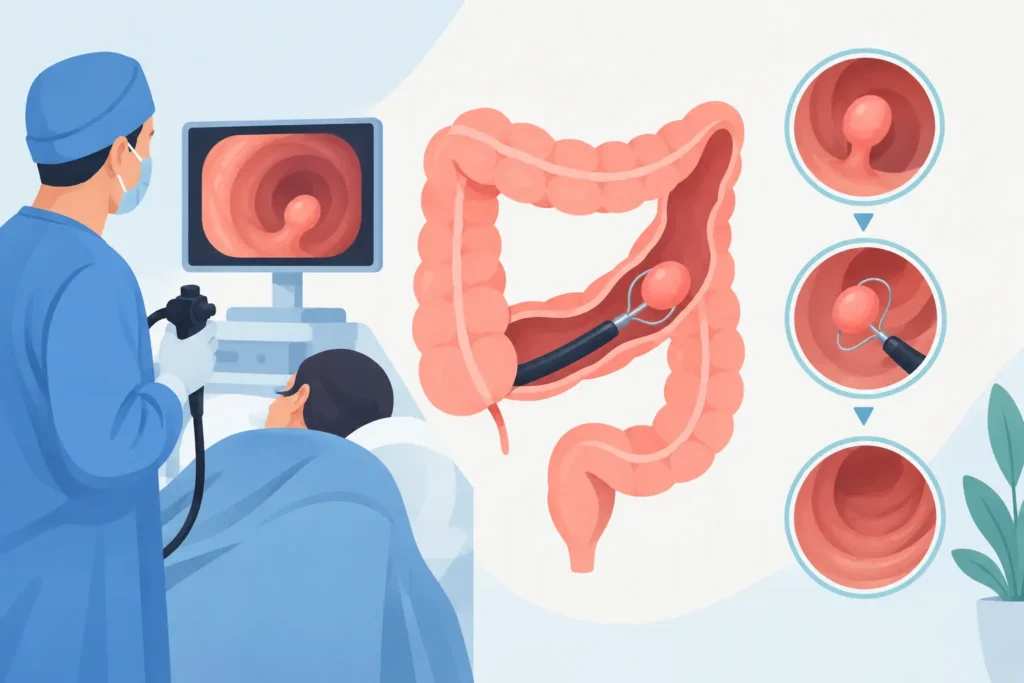
For internal hemorrhoids, a gastroenterologist may recommend rubber band ligation, which cuts off blood flow to the hemorrhoid so it shrinks over time. Other options can include injection therapy or infrared coagulation. These procedures are generally performed without major surgery and can be effective for selected patients.
Larger, prolapsing, recurrent, or severely symptomatic hemorrhoids may require consultation with a colorectal surgeon. Surgery has a longer recovery than office treatment, but it may be the most appropriate choice in certain cases. An accurate diagnosis helps avoid unnecessary treatment and ensures that pain, bleeding, or bowel changes are not being attributed to hemorrhoids when another digestive condition is present.
At NJ Gastroenterology & Health Wellness, board-certified specialists can evaluate rectal bleeding, ongoing bowel changes, and hemorrhoid symptoms within the context of your complete digestive health and preventive screening needs. Care begins with listening to your symptoms and history, then building a plan that fits the cause of your discomfort.
You do not have to normalize pain, itching, or bleeding just because hemorrhoids are common. If home measures are not bringing relief or your symptoms are new or concerning, a timely GI evaluation can provide clarity and a treatment plan designed for lasting comfort.