A midafternoon snack should not leave you hungry again in 30 minutes or send your blood sugar climbing before dinner. The best snacks for diabetes combine protein, fiber, and healthy fats with a realistic portion of carbohydrate. That balance can support steadier glucose levels, improve fullness, and make it easier to follow a nutrition plan over time.
There is no single snack that works perfectly for every person with diabetes. Your medication, activity level, kidney health, digestive symptoms, meal schedule, and personal glucose response all matter. Still, choosing minimally processed foods and pairing carbohydrates with protein or fat is a dependable starting point.
What Makes a Snack Diabetes-Friendly?
Carbohydrates raise blood sugar more directly than protein or fat, but that does not mean carbohydrates must be avoided. Fruit, dairy, beans, and whole grains provide nutrients that support overall health. The goal is to pay attention to the type and amount of carbohydrate, then build a snack that digests more gradually.
A practical snack often contains about 10 to 20 grams of carbohydrate, although individual needs vary. Pairing that carbohydrate with protein, fiber, or unsaturated fat can help slow digestion and increase satisfaction. A handful of crackers by themselves may not be very filling; crackers with tuna, cheese, or hummus are usually a more balanced choice.
Portion size remains important, even with nutritious foods. Nuts, nut butters, cheese, and trail mix can be excellent options, but their calories add up quickly. A measured serving is more useful than eating directly from a large container.
12 Best Snacks for Diabetes
1. Apple slices with natural peanut butter
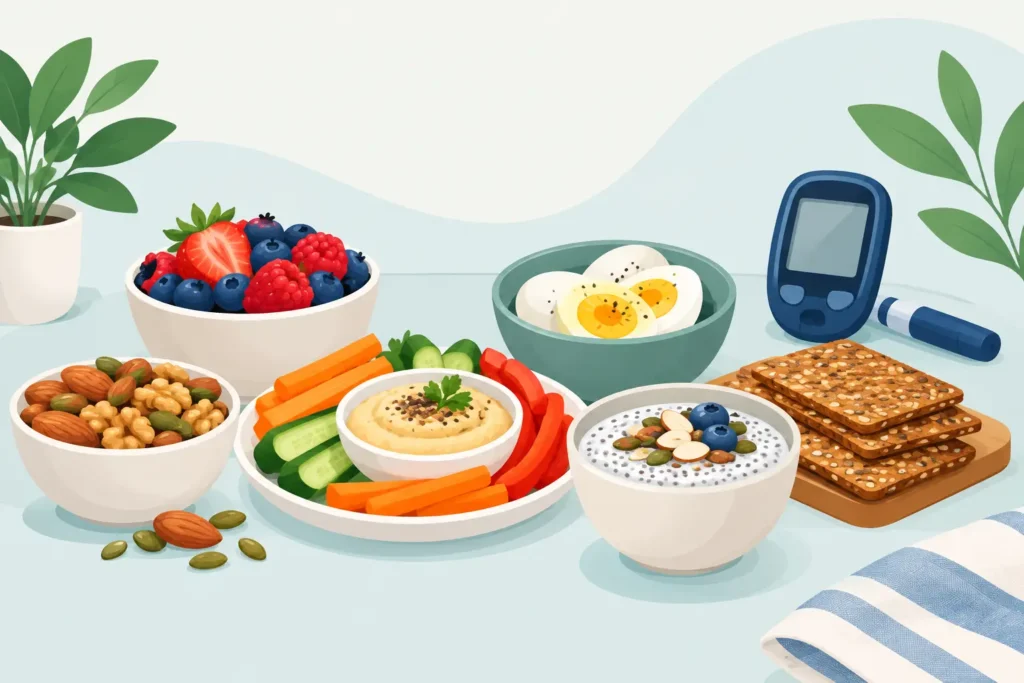
An apple provides fiber and a naturally sweet flavor, while peanut butter adds protein and fat. Choose peanut butter without added sugar when possible, and keep the serving to about one small apple with one to two tablespoons of peanut butter.
2. Plain Greek yogurt with berries
Plain Greek yogurt is higher in protein than many regular yogurts. Add a small handful of berries for fiber and flavor, plus cinnamon if you enjoy it. Avoid flavored varieties with significant added sugar, which can turn a balanced snack into a dessert-like choice.
3. Vegetables with hummus
Crunchy vegetables such as bell peppers, cucumbers, celery, carrots, or snap peas offer volume and fiber for relatively few carbohydrates. Hummus contributes plant protein and healthy fat. This combination can also be easier to tolerate than rich, fried snack foods for people managing reflux or digestive discomfort.
4. Cottage cheese with tomato or berries
Cottage cheese is a convenient source of protein. Pair it with sliced tomato, black pepper, and herbs for a savory snack, or add a small portion of berries for a sweeter option. If sodium is a concern, look for a lower-sodium variety.
5. Hard-boiled eggs and a piece of fruit
Eggs contain protein and have little effect on blood sugar on their own. A hard-boiled egg paired with a small pear, orange, or kiwi provides a satisfying mix of protein and fiber. This is a useful portable choice for busy workdays or long drives.
6. Roasted chickpeas
Roasted chickpeas provide fiber and plant-based protein in a crunchy format. They can be a better alternative to chips, but check the label for sodium and added sugar in flavored versions. Start with a modest portion, especially if beans tend to cause gas or bloating.
7. Whole-grain crackers with cheese
A small serving of whole-grain crackers with cheese can work well when you want something savory. Look for crackers with whole grains and fiber rather than refined flour as the first ingredient. The cheese helps make the crackers more filling and may reduce the urge to continue grazing.
8. Edamame
Steamed edamame is rich in protein and fiber and requires little preparation. Choose lightly salted or unsalted versions if you are watching blood pressure or fluid retention. For many people, it is more satisfying than a processed snack because eating the pods naturally slows the pace of eating.
9. Tuna or salmon on cucumber slices
Canned tuna or salmon mixed with plain Greek yogurt, mustard, or a small amount of olive-oil-based mayonnaise makes a protein-focused snack. Serve it on cucumber rounds or with a few whole-grain crackers. This option contains very little carbohydrate unless crackers are added.
10. A small handful of nuts
Almonds, walnuts, pistachios, and peanuts provide protein, fiber, and unsaturated fats. A typical serving is about one ounce, or a small closed handful. Nuts are calorie-dense, so pre-portioning them can be more effective than bringing the entire bag to the couch or desk.
11. Chia pudding without added sugar
Chia seeds absorb liquid and create a pudding-like texture while contributing fiber and healthy fats. Combine chia seeds with unsweetened milk or plain yogurt, then add a few berries or vanilla extract. If you have IBS or are not used to high-fiber foods, begin with a small portion and increase gradually.
12. Turkey roll-ups with avocado
Roll slices of lower-sodium turkey around avocado and a crisp vegetable such as cucumber or bell pepper. This snack is low in carbohydrate and can be particularly useful when a meal will be delayed. Choose minimally processed deli meat when available, since some products are high in sodium and preservatives.
Snacks That Can Be Misleading
Many products marketed as “healthy” can still contain large amounts of added sugar or refined carbohydrates. Granola bars, fruit smoothies, flavored yogurt, dried fruit, rice cakes, and protein bars vary widely. Some fit into a diabetes meal plan, but the nutrition label matters more than the marketing language on the front of the package.
For example, a smoothie made with sweetened yogurt, juice, honey, and several servings of fruit may raise blood sugar quickly. A more balanced version uses unsweetened Greek yogurt, berries, ice, and a source of fat or protein such as chia seeds or nut butter. The ingredients and portion make the difference.
It is also wise to be cautious with snacks labeled sugar-free. They may still contain carbohydrates, and sugar alcohols can trigger gas, cramping, or diarrhea in some people. This is especially relevant for patients with IBS or other chronic digestive conditions.
How to Build Your Own Diabetes Snack Plan
Start by noticing when and why you snack. A snack is often helpful when meals are more than four or five hours apart, when exercise increases hunger, or when you need to prevent low blood sugar related to certain diabetes medications. Snacking out of habit, stress, or because meals are too low in protein may require a different solution.
Check your blood glucose patterns if your care team has recommended monitoring. If a certain snack repeatedly leads to higher readings than expected, consider reducing the portion, changing the carbohydrate source, or adding more protein and fiber. A continuous glucose monitor can offer useful patterns, but it should be interpreted alongside your meals, medications, symptoms, and medical history.
People taking insulin or medications that can cause hypoglycemia may need fast-acting carbohydrate on hand, such as glucose tablets or juice. That is different from a routine balanced snack. Follow the treatment plan provided by your prescribing clinician for low blood sugar episodes.
When Digestive and Metabolic Care Should Work Together
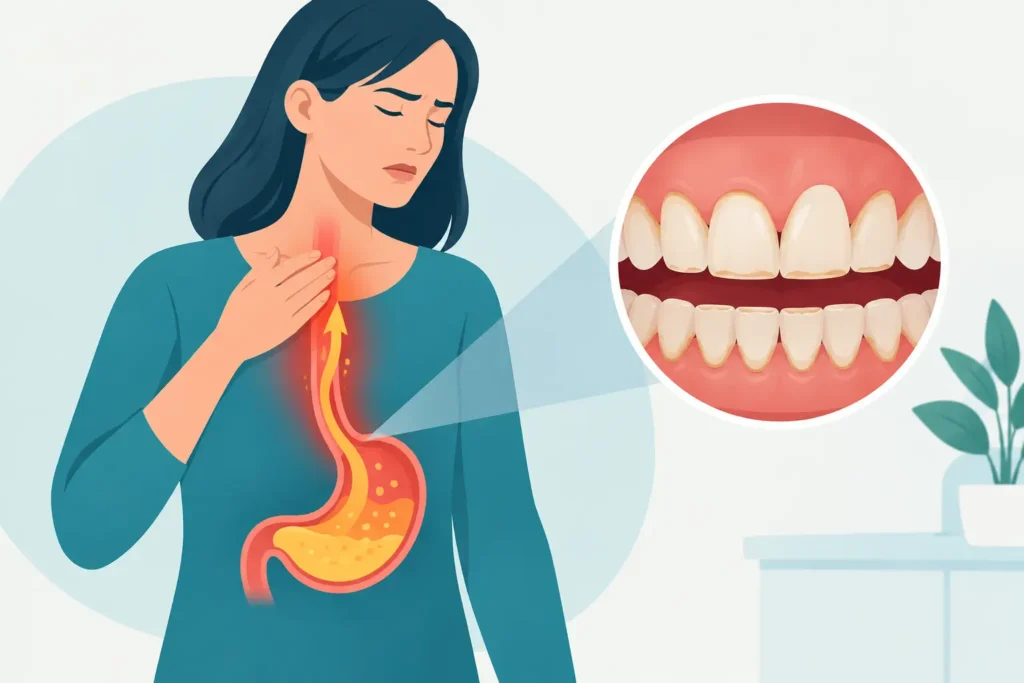
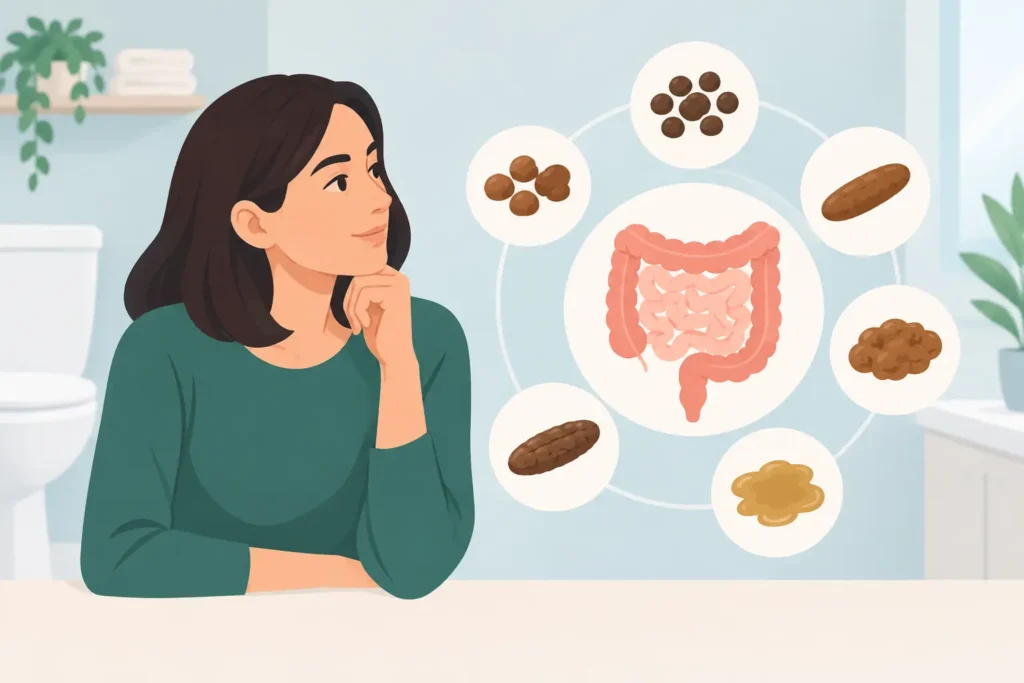
Diabetes often overlaps with fatty liver disease, obesity, reflux, or gastrointestinal symptoms. A food choice that supports blood sugar may still need adjustment if it worsens bloating, constipation, diarrhea, or heartburn. High-fiber snacks are beneficial for many people, for instance, but increasing fiber too quickly can be uncomfortable.
At NJ Gastroenterology & Health Wellness, physician-guided care can address these connected concerns through an individualized plan that considers digestive health, metabolic risk, weight goals, medications, and nutrition habits. For patients using GLP-1 medications such as semaglutide or tirzepatide, smaller protein-forward snacks may also be easier to tolerate when appetite is reduced or nausea is present.
The most useful snack is one you can enjoy consistently, portion appropriately, and fit into your own medical plan. Treat your after-meal glucose, hunger, and digestive comfort as useful feedback, then use that information to make the next choice a little more personal and sustainable.