An endoscopy appointment is often scheduled to answer a specific question: What is causing persistent reflux, trouble swallowing, nausea, upper abdominal pain, bleeding, or unexplained symptoms? Knowing how to prepare for endoscopy can help the procedure go more smoothly, improve the quality of the exam, and reduce avoidable day-of delays.
For most people, preparation is manageable. The key is to follow the instructions from your gastroenterology team exactly, especially when they differ from general online advice. Your preparation may change based on the type of procedure, the reason for the exam, your medications, and medical conditions such as diabetes, sleep apnea, heart disease, or liver disease.
What an Endoscopy Exam May Involve
In everyday use, “endoscopy” can refer to several procedures that use a thin, flexible camera to examine the digestive tract. An upper endoscopy, also called an EGD, examines the esophagus, stomach, and first part of the small intestine. It is commonly used to evaluate GERD, Barrett’s esophagus, ulcers, swallowing concerns, nausea, and upper GI bleeding.
A colonoscopy examines the colon and requires a more extensive bowel preparation. Some patients have both an upper endoscopy and colonoscopy during the same visit. If that is your plan, the colonoscopy preparation instructions usually determine your diet and timing the day before.
During an upper endoscopy, your physician may take small tissue samples called biopsies, test for certain conditions, stretch a narrowed area, or treat a source of bleeding. These steps are often planned as part of diagnostic care and usually do not cause pain. Clear visibility matters, which is why fasting and medication guidance should be taken seriously.
How to Prepare for Endoscopy Before the Procedure
Your preparation begins when the procedure is scheduled. Read your instruction sheet as soon as you receive it rather than waiting until the day before. If any instruction is unclear, call the office early enough to get an answer. Do not guess about when to stop eating, whether to take a medication, or whether a symptom should delay your exam.
Review your medication list with your care team
Bring your complete medication list to your consultation or share it before the procedure. Include prescriptions, over-the-counter medicines, vitamins, herbal products, injections, and supplements. A medication that feels unrelated to digestion can still affect bleeding, blood sugar, anesthesia, or stomach emptying.
Blood thinners and antiplatelet medications require individualized instructions. This includes medicines such as warfarin, apixaban, rivaroxaban, clopidogrel, and daily aspirin. Do not stop these medications on your own. Your gastroenterologist may coordinate with the clinician who prescribed them, especially if you have a history of stroke, blood clots, heart disease, or a coronary stent.
Diabetes medications also need a specific plan because fasting can lower blood sugar, while some medicines can affect how quickly the stomach empties. Tell the office if you use insulin, sulfonylureas, metformin, or an injectable GLP-1 medication such as semaglutide or tirzepatide. The right approach depends on your medication, dose schedule, diabetes history, and the planned procedure. Your physician will advise you on safe adjustments rather than using a one-size-fits-all rule.
You may also receive instructions about iron supplements, nonsteroidal anti-inflammatory drugs, or certain vitamins and herbal products. Keep taking any medication your care team tells you to take, usually with a small sip of water if permitted.
Follow fasting instructions precisely
For an upper endoscopy, the stomach must be empty. Food, liquids, or chewing gum too close to the procedure can increase the risk of aspiration, meaning stomach contents enter the lungs while you are sedated. It can also limit what your physician can see.
Many patients are instructed to stop solid food for a set number of hours before the exam and to stop clear liquids closer to the arrival time. However, your exact cutoffs may differ based on sedation, medical history, and whether you are having another procedure at the same visit. Follow the written times provided by your endoscopy center, not a schedule found online.
Clear liquids may include water, clear broth, plain tea or black coffee without milk or creamer, apple juice, and sports drinks that are not red or purple when those are allowed. Milk, cream, smoothies, alcohol, and beverages with pulp are not clear liquids. If you are unsure whether a drink is acceptable, choose water or ask your care team.
Plan transportation before procedure day
Most endoscopies are performed with sedation or anesthesia. Even if you feel alert afterward, medications can affect judgment, coordination, and reaction time for the rest of the day. You will need a responsible adult to take you home and remain reachable after discharge.
Do not plan to drive yourself, use public transportation alone, return to work, sign legal documents, or make major decisions after sedation. Arrange your ride before the day of the procedure. If transportation falls through, the procedure may need to be rescheduled for your safety.
What to Bring and What to Expect at Check-In
Wear comfortable, loose-fitting clothing. Leave jewelry and valuables at home when possible. Bring a photo ID, insurance information, your medication list, and any relevant medical documents your team requested. If you use a CPAP machine for sleep apnea, ask whether you should bring it with you.
At check-in, the clinical team will review your health history, allergies, medications, fasting time, and transportation plan. Be open about prior reactions to anesthesia, sleep apnea, breathing problems, pregnancy, recent illness, recreational drug use, and alcohol use. These details help the team select the safest sedation approach and monitor you appropriately.
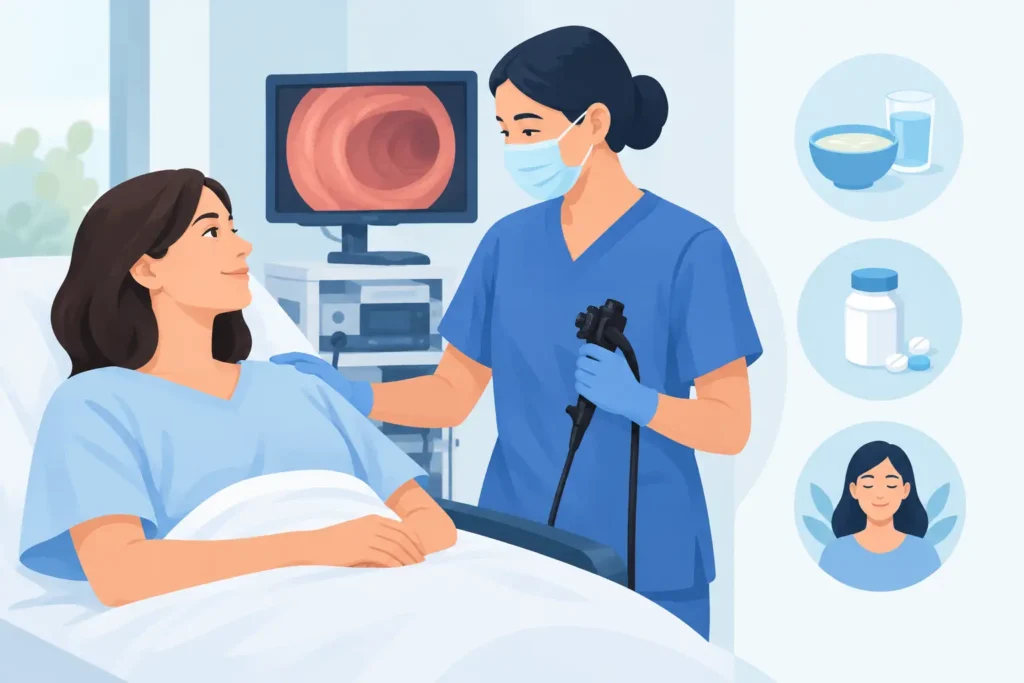
You will typically change into a gown, have vital signs checked, and receive an IV if sedation is planned. Before the procedure, you will have an opportunity to speak with your gastroenterologist and anesthesia professional when applicable. This is the right time to mention new symptoms, medication changes, or concerns that arose after your consultation.
Day-of Preparation Details That Matter
On procedure morning, do not smoke, vape, or use tobacco unless your medical team has given you different guidance. Avoid gum, mints, and hard candy after your fasting cutoff because they can stimulate stomach secretions and compromise fasting requirements.
If you develop fever, vomiting, significant diarrhea, chest symptoms, or a new respiratory illness before the appointment, contact the office. The team can determine whether it is safe to proceed or whether rescheduling is the better option. This is especially relevant if you have symptoms that could affect anesthesia or hydration.
Be honest if you accidentally ate or drank after your cutoff. Your care team is there to protect you, not judge you. Depending on what you had and when, they may be able to adjust the schedule or may recommend postponing the procedure to avoid unnecessary risk.
Recovery After an Upper Endoscopy
After the exam, you will recover in a monitored area until the sedation wears off. Mild bloating, gas, a temporary sore throat, or sleepiness can occur after an upper endoscopy. These symptoms generally improve within hours.
Your physician or recovery nurse will explain initial findings, although biopsy results may take several days. Because sedation can affect memory, ask your support person to listen to discharge instructions with you. Follow directions about eating, medications, activity, and when to resume work or exercise.
Seek urgent medical attention for severe or worsening abdominal pain, persistent vomiting, fever, shortness of breath, chest pain, black stools, or significant bleeding after your procedure. Complications are uncommon, but prompt evaluation matters when symptoms are severe or do not improve.
Personalized Preparation Supports Better Answers
An endoscopy is more than a test. It can identify inflammation, ulcers, Barrett’s esophagus, celiac disease, infection, narrowing, and other conditions that may require ongoing digestive or metabolic care. At NJ Gastroenterology & Health Wellness, board-certified specialists use advanced diagnostic care to help connect symptoms with an individualized treatment plan.
Your best next step is simple: review your instructions early, confirm your medications and transportation, and contact your gastroenterology team whenever something does not match your situation. A few minutes of planning can help your physician focus fully on the answers your health deserves.