
The first few weeks of tirzepatide treatment can feel encouraging and uncomfortable at the same time. Appetite may decrease, weight may begin to change, and digestive symptoms may appear before your body adjusts. Effective tirzepatide side effect management helps patients stay focused on their health goals without ignoring symptoms that deserve medical attention.
Tirzepatide is prescribed for eligible patients based on their medical history, treatment goals, and the approved use of the medication. It works in part by affecting hormones involved in appetite, blood sugar regulation, and stomach emptying. Those effects can be highly beneficial for metabolic health and weight management, but they can also contribute to nausea, early fullness, constipation, reflux, diarrhea, or abdominal discomfort.
At NJ Gastroenterology & Health Wellness, medication treatment is not separated from digestive care. A physician-guided plan considers your symptoms, eating pattern, bowel habits, liver health, existing digestive conditions, and response to each dose so adjustments can be made safely.
Why Tirzepatide Can Cause Digestive Symptoms
Tirzepatide activates GIP and GLP-1 receptors. One result is that food may move more slowly from the stomach into the small intestine. This can help people feel full sooner and eat less, but it can also make large meals, high-fat foods, alcohol, and eating too quickly harder to tolerate.
Side effects are often more noticeable when treatment begins or when the dose increases. For many patients, mild symptoms improve over time as the body adapts. That does not mean every symptom should be pushed through. The right approach depends on its severity, how long it lasts, your hydration status, and whether you have a history of reflux, IBS, constipation, gallbladder disease, or another GI condition.
Your medication dose should not be viewed as a race. A higher dose is not automatically a better dose if it leaves you unable to eat adequately, drink fluids, or maintain normal daily activity. Staying at a lower dose longer, delaying an increase, or treating an underlying digestive issue may be appropriate clinical choices.
Tirzepatide Side Effect Management Starts With Daily Habits
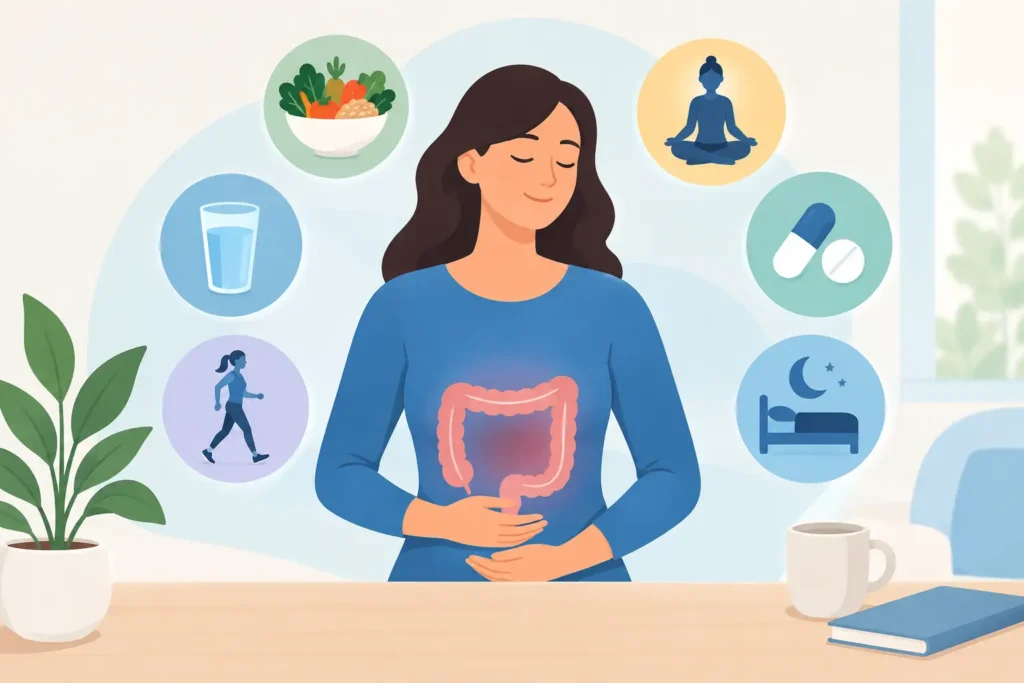
The most useful changes are usually simple, but consistency matters. Smaller meals are generally easier on the stomach than one large meal. Eat slowly, pause when you feel comfortably full, and avoid trying to finish food just because it is on the plate. Because fullness can arrive later than expected, overeating may lead to nausea or pressure for hours afterward.
Choose balanced, lower-fat meals with protein, fiber, and foods you tolerate well. Very greasy meals, fried foods, rich sauces, and large portions can worsen nausea, bloating, and reflux. If morning nausea is a problem, a small bland meal such as toast, crackers, yogurt, or eggs may be better tolerated than skipping food entirely.
Hydration deserves special attention. Sip fluids throughout the day rather than trying to drink a large amount at once. Water is a good foundation, but patients with vomiting or diarrhea may need guidance on electrolyte replacement. If plain water feels difficult to tolerate, cold fluids, ice chips, broth, or sugar-free electrolyte drinks may be easier.
Avoid lying down soon after eating, especially if you have heartburn or regurgitation. Limiting alcohol can also reduce stomach irritation, reflux, dehydration, and unnecessary calories. These measures support treatment, but they do not replace a conversation with your prescribing clinician when symptoms persist.
Managing Common Tirzepatide Side Effects
Nausea and early fullness
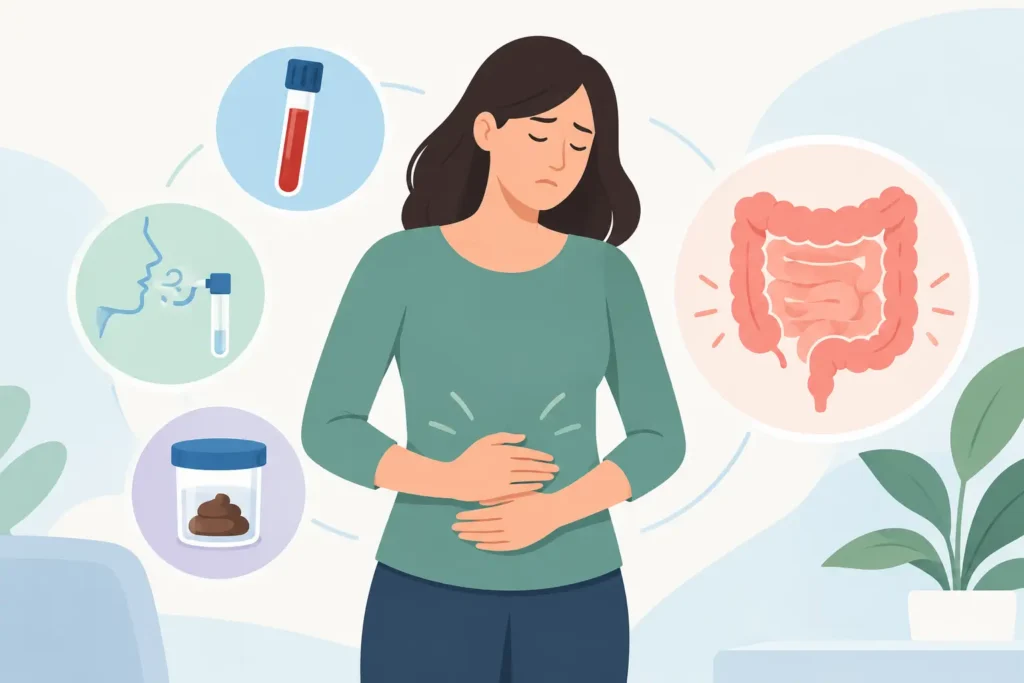
Nausea is one of the most common concerns, particularly after starting tirzepatide or increasing the dose. Smaller meals, slow eating, adequate fluids, and avoiding fatty or heavily seasoned foods can make a meaningful difference. Some patients do better with cooler foods and drinks because strong food odors can trigger nausea.
Pay attention to patterns. Symptoms that occur only after large meals may respond to portion changes. Nausea that continues all day, prevents adequate fluid intake, or is accompanied by repeated vomiting needs prompt clinical guidance. Your physician may recommend a change to the treatment plan or evaluate whether another condition is contributing.
Constipation
Constipation can occur when food intake and fluid intake decrease, when stomach and bowel movement slow, or when patients suddenly increase fiber without enough water. Regular movement, such as walking, can help stimulate bowel activity. Gradually adding fiber from fruits, vegetables, beans, or whole grains may also help if it does not worsen bloating.
For some patients, fiber alone is not the answer. Those with significant bloating, IBS, pelvic floor dysfunction, or chronic constipation may need a more individualized strategy. Do not rely on frequent laxative use without medical guidance, especially if you have severe abdominal pain, vomiting, or cannot pass stool or gas.
Reflux, burping, and indigestion
Tirzepatide can make reflux symptoms more noticeable in some people because food remains in the stomach longer. Smaller meals, avoiding late-night eating, remaining upright after meals, and limiting triggers such as fried foods, peppermint, chocolate, coffee, or alcohol can help. Triggers vary, so a brief food and symptom record can be useful.
Patients with persistent GERD, Barrett’s esophagus, trouble swallowing, or frequent nighttime symptoms should not assume reflux is simply part of weight-loss treatment. Gastroenterology evaluation can identify whether medication timing, diet, acid suppression, or further testing is appropriate.
Diarrhea or loose stools
Diarrhea may be temporary, but it can cause dehydration quickly when paired with low appetite or nausea. Focus on fluids and consider bland foods until symptoms improve. High-fat meals, alcohol, and some sugar alcohols found in low-calorie products can worsen loose stools.
Contact your care team if diarrhea is persistent, severe, bloody, associated with fever, or accompanied by dizziness, reduced urination, or weakness. These symptoms may require evaluation beyond routine medication adjustment.
When Symptoms Should Not Be Managed at Home
Mild digestive changes are common, but severe or unusual symptoms require timely medical attention. Contact your prescribing clinician promptly for persistent vomiting, inability to keep fluids down, severe constipation, worsening abdominal pain, or symptoms that interfere with eating and hydration.
Seek urgent evaluation for severe and persistent upper abdominal pain, particularly if it spreads to the back or occurs with vomiting. This can be a warning sign of pancreatitis. Sudden right upper abdominal pain, fever, yellowing of the skin or eyes, or dark urine may indicate a gallbladder or liver concern. Bloody stools, black stools, chest pain, fainting, facial swelling, or trouble breathing also require urgent care.
Tell your physician about all medications and supplements you take. Tirzepatide can affect how quickly the stomach absorbs oral medications, and treatment planning may need to account for diabetes medications, blood pressure drugs, reflux therapy, and other prescriptions. Patients using insulin or certain diabetes medications may also need monitoring for low blood sugar.
A More Personalized Path Forward
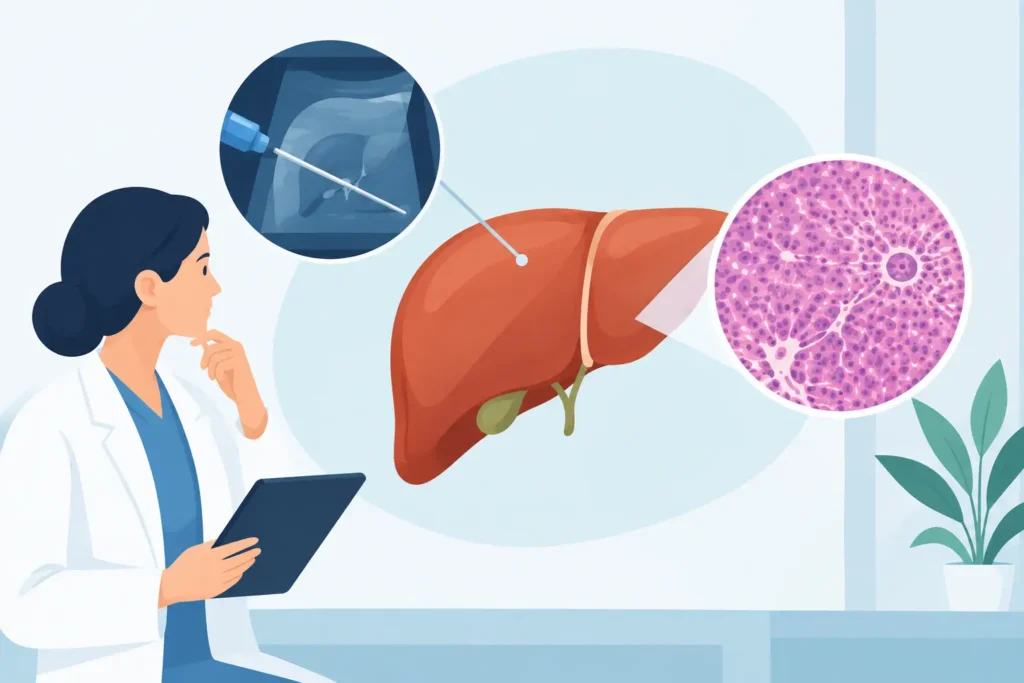
The best results come from a plan that treats weight, metabolism, and digestive health as connected concerns. Before starting or advancing tirzepatide, a physician should review your medical history, current symptoms, bowel pattern, medication list, and relevant conditions such as fatty liver disease, GERD, IBS, diabetes, or prior gallbladder problems.
During follow-up visits, be specific about what you are experiencing. Note when symptoms started, whether they followed a dose change, what foods trigger them, how often you are having bowel movements, and whether you can maintain fluids and protein intake. This information gives your care team a clearer basis for adjusting your plan rather than relying on guesswork.
Tirzepatide can be a valuable tool, but it works best when the treatment plan is responsive to your body. Comfortable, sustainable progress is a stronger foundation for long-term health than trying to tolerate symptoms alone. If side effects are affecting your daily life, schedule a physician-guided evaluation so your digestive health and weight-management goals can move forward together.