Diverticular disease can be confusing because it does not look the same for every patient. Some people have diverticulosis, or small pouches in the colon, with no symptoms at all. Others experience recurring lower abdominal discomfort, bowel changes, or episodes of diverticulitis. Understanding how to manage diverticular disease starts with identifying which pattern you have and building a plan around your symptoms, overall health, and medical history.
For many adults, diverticular disease can be managed successfully with nutrition, lifestyle adjustments, appropriate testing, and ongoing guidance from a gastroenterology specialist. The goal is not simply to avoid another flare. It is to protect colon health, recognize concerning symptoms early, and avoid unnecessary restrictions that can make eating and daily life harder.
First, Know Which Form of Diverticular Disease You Have
Diverticulosis is common, particularly after age 40, and often causes no symptoms. It occurs when small bulges, called diverticula, form in weak areas of the colon wall. Many people learn they have diverticulosis during a colonoscopy or imaging study performed for another reason.
Diverticular disease is a broader term. It may refer to diverticulosis with symptoms, such as bloating, constipation, diarrhea, or intermittent pain in the lower left abdomen. It can also include diverticulitis, which happens when one or more pouches become inflamed or infected. Diverticulitis may cause persistent abdominal pain, fever, nausea, appetite changes, and bowel changes.
This distinction matters because the right plan for symptom-free diverticulosis is different from the plan for active diverticulitis. A patient with a current flare may need a short-term modified diet, medication, imaging, or close follow-up. A patient between episodes usually benefits most from preventive habits that support regular bowel function and a healthy weight.
How to Manage Diverticular Disease Between Flares
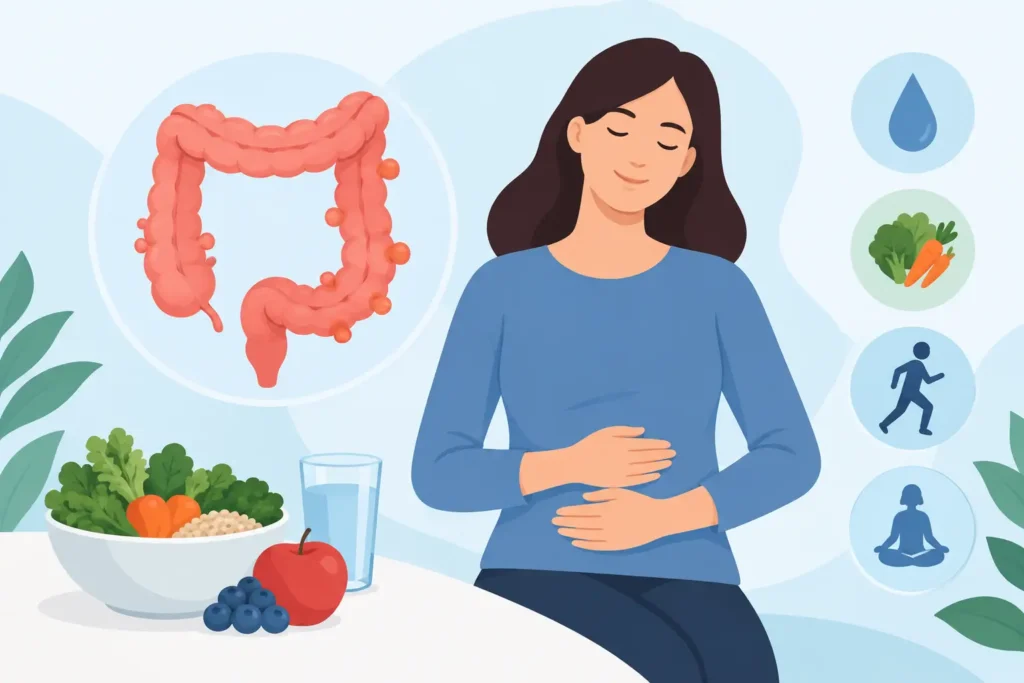
When diverticulitis is not active, a fiber-rich eating pattern is often one of the most helpful long-term strategies. Fiber adds bulk and softness to stool, helping it move through the colon more regularly. For many patients, that can reduce constipation and pressure within the colon.
Rather than making a sudden, dramatic change, increase fiber gradually. A quick increase can worsen gas, bloating, or cramping, especially if you already have a sensitive digestive system or IBS-like symptoms. Fruits, vegetables, beans, lentils, whole grains, and high-fiber cereals can all contribute. Drinking enough fluids is equally important, because fiber works best when the body is well hydrated.
There is no universal fiber target that fits every patient. Your age, current diet, bowel habits, medications, kidney health, and history of digestive symptoms all matter. Patients who struggle to meet fiber needs through food may benefit from a fiber supplement, but the type and dose should be chosen carefully with a clinician.
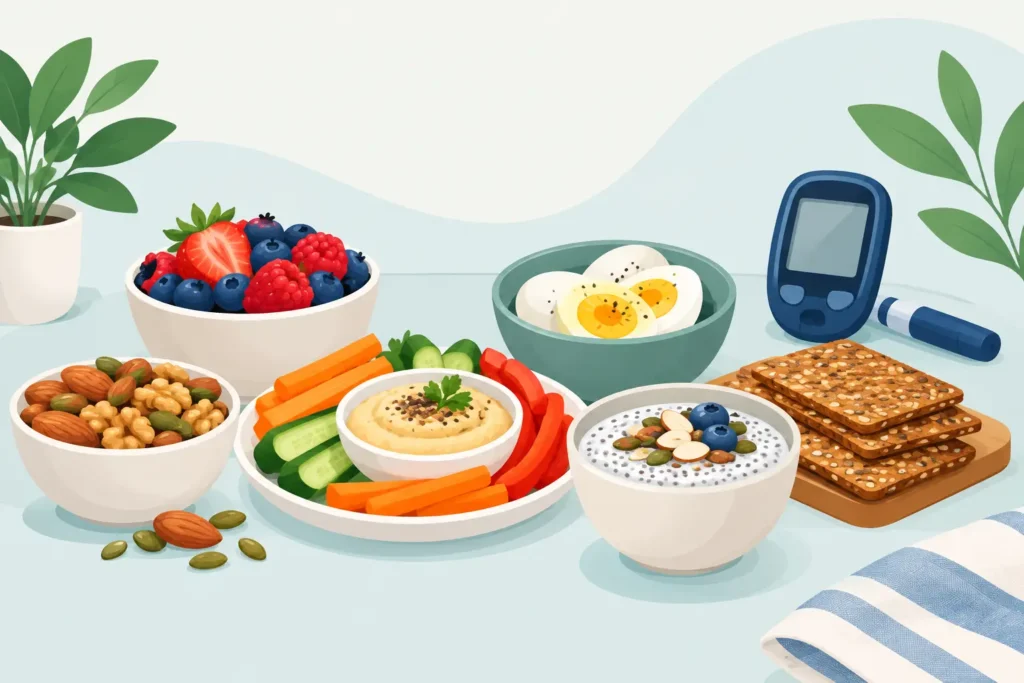
The old advice to avoid nuts, seeds, popcorn, and corn is no longer routinely recommended for diverticular disease. Research has not shown that these foods cause diverticulitis in most people. If a particular food consistently causes discomfort for you, it may be reasonable to limit it, but broad food avoidance is usually not necessary without a clear personal pattern.
Support Regular Bowel Habits
Constipation can aggravate abdominal discomfort and may increase pressure in the colon. Regular movement, adequate hydration, gradual fiber intake, and a predictable bathroom routine can help. Avoid repeatedly straining or ignoring the urge to have a bowel movement.
Some medications and supplements can contribute to constipation or diarrhea. Iron, certain pain medicines, antacids, diabetes medications, and weight-loss medications may affect bowel habits differently from one person to another. A gastroenterologist can review your medication list and help distinguish a treatment side effect from symptoms related to diverticular disease.
Address Weight, Activity, and Smoking
Colon health is connected to broader metabolic health. Excess body weight, low physical activity, and smoking have been associated with a greater risk of diverticulitis and complications. That does not mean a flare is your fault. It means practical improvements in these areas may reduce risk while supporting blood pressure, blood sugar, fatty liver disease, and long-term digestive wellness.
Consistent activity does not have to mean an intense exercise program. Walking, cycling, swimming, strength training, or another activity you can maintain may help support bowel regularity and weight management. If weight loss is a health goal, a physician-guided plan can account for your digestive symptoms, medical conditions, current medications, and nutritional needs rather than relying on a restrictive commercial diet.
What to Do During Possible Diverticulitis Symptoms
New or worsening lower abdominal pain should not be treated as a routine digestive upset, especially if it is accompanied by fever, chills, vomiting, significant tenderness, or a noticeable change in bowel habits. Diverticulitis can range from mild inflammation to more serious disease involving an abscess, blockage, perforation, or infection that requires urgent care.
Contact a medical professional promptly if you suspect a flare. Your clinician may recommend an examination, blood work, or a CT scan to confirm the diagnosis and assess its severity. Not every case of uncomplicated diverticulitis requires antibiotics, but that decision should be made by a physician based on your symptoms, examination, imaging findings, and risk factors.
During a confirmed flare, the care plan may temporarily include a clear-liquid or low-fiber diet while symptoms improve. This is not intended to be a permanent diet. Returning to a balanced, fiber-containing eating pattern is generally the long-term goal once inflammation has resolved and your clinician advises that it is safe.
Avoid self-treating severe pain with nonsteroidal anti-inflammatory drugs, or NSAIDs, such as ibuprofen or naproxen, without medical guidance. These medicines may increase the risk of diverticular bleeding or complications in some patients. Ask your physician which pain-relief options are appropriate for you.
When Symptoms Need Urgent Evaluation
Seek urgent medical attention for severe or escalating abdominal pain, a rigid or swollen abdomen, persistent vomiting, fainting, confusion, high fever, inability to pass stool or gas, or heavy rectal bleeding. These symptoms can signal a complication that should not wait for a routine appointment.
Rectal bleeding also deserves evaluation even if it stops. Diverticular bleeding is one possible cause, but bleeding can also come from hemorrhoids, polyps, colitis, or colorectal cancer. A precise diagnosis is safer than assuming the source.
Testing and Follow-Up Protect Long-Term Colon Health
After an episode of diverticulitis, your gastroenterologist may recommend a colonoscopy after the inflammation has healed, particularly if you have not had a recent high-quality screening exam or if your symptoms, imaging, or risk factors raise concern. Colonoscopy allows the physician to examine the colon directly, identify polyps, and rule out other conditions that can resemble diverticulitis.
The timing depends on the severity of the episode and your individual situation. Colonoscopy is generally not performed during acute inflammation unless there is a specific clinical reason, because the colon needs time to recover.
Repeated episodes do not automatically mean surgery is necessary. Surgical decisions depend on the frequency and severity of attacks, complications, hospitalizations, immune status, quality of life, and whether symptoms continue between flares. A personalized discussion is more useful than relying on a fixed number of episodes.
Build a Plan Around Your History, Not a Generic Diet
If you have persistent bloating, abdominal pain, irregular stools, or fear around eating after diverticulitis, a GI consultation can help clarify what is driving your symptoms. Some patients have ongoing sensitivity after inflammation resolves. Others may have constipation, IBS, food intolerance, pelvic floor dysfunction, or another digestive condition that needs separate treatment.
At NJ Gastroenterology & Health Wellness, board-certified specialists can evaluate the full picture, from digestive symptoms and colon cancer screening needs to metabolic health and medically supervised weight management. Care should begin with listening to your history, reviewing prior imaging or colonoscopy results, and creating a practical plan you can sustain.
A well-managed life with diverticular disease is rarely about eliminating every favorite food or waiting anxiously for the next flare. It is about knowing your baseline, responding early when something changes, and having a clinical team that can help you make confident decisions at each stage.