A fatty liver diagnosis often arrives after routine blood work or an imaging study, when you may feel perfectly well. That is precisely why a clear fatty liver patient guide matters: liver fat can progress quietly, but early, medically directed care can reduce risk and support lasting metabolic health.
Fatty liver disease is common, treatable, and closely connected to weight, insulin resistance, cholesterol, blood pressure, sleep, medications, and alcohol use. It is not a personal failure or a condition to manage with a generic diet plan alone. The right next step is to understand what is happening in your liver, identify the factors driving it, and create a realistic plan with your physician.
What a Fatty Liver Diagnosis Can Mean
Fatty liver means excess fat has accumulated in liver cells. In many patients, this is related to metabolic dysfunction and is called metabolic dysfunction-associated steatotic liver disease, or MASLD. You may also hear the older term nonalcoholic fatty liver disease, or NAFLD.
For some people, liver fat causes little or no inflammation. For others, inflammation and liver-cell injury develop. This more active form is often called MASH, previously known as NASH. Over time, ongoing inflammation may lead to fibrosis, or scar tissue. Advanced scarring is called cirrhosis and can affect liver function and increase the risk of liver cancer.
Not everyone with fatty liver develops serious liver damage. The goal of evaluation is to determine where you are on that spectrum, not to assume the worst. Your personal risk depends on factors such as diabetes or prediabetes, obesity, elevated triglycerides, high blood pressure, family history, alcohol intake, and the results of your liver testing.
Your Fatty Liver Patient Guide to the First Evaluation
A comprehensive evaluation looks beyond a single abnormal liver enzyme. Liver enzymes can be normal even when fat or fibrosis is present, and mildly elevated results can have several causes. Your gastroenterologist will review your medical history, medications, supplements, alcohol use, symptoms, and metabolic health.
Blood tests may assess liver inflammation and function, blood sugar, cholesterol, platelet count, and potential alternative causes of liver disease. Depending on your situation, testing may also screen for viral hepatitis, autoimmune liver conditions, iron overload, or medication-related injury.
Imaging is often part of the workup. An abdominal ultrasound can identify fat in the liver, while more advanced noninvasive testing can estimate liver stiffness. Liver stiffness helps your physician evaluate whether fibrosis may be present. In select cases, additional imaging or a liver biopsy may be recommended when the diagnosis remains uncertain or more detailed staging would change treatment decisions.
This process is not about ordering tests without purpose. It is about separating simple liver fat from higher-risk inflammation or scarring, while identifying the metabolic issues that need attention at the same time.
Questions Worth Bringing to Your Visit
Ask what may be causing your fatty liver, whether there is evidence of fibrosis, and what your specific liver test results mean. It is also reasonable to ask how often you need follow-up blood work or imaging, whether your current medications need review, and what degree of weight change would be meaningful for your health.
If you have diabetes, high cholesterol, sleep apnea, or difficulty losing weight despite consistent effort, mention it. These conditions do not exist separately from fatty liver. Coordinated care can address the underlying pattern rather than treating each result in isolation.
Treatment Starts With a Plan You Can Maintain
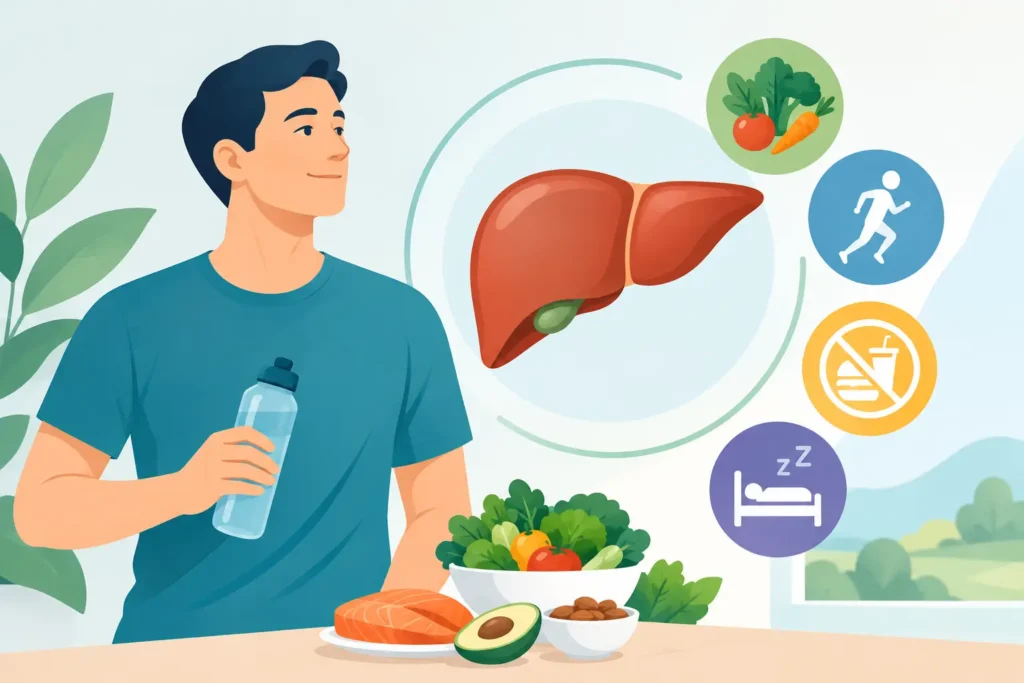
There is no single meal plan that works for every fatty liver patient. However, gradual weight loss, improved nutrition, regular physical activity, and treatment of metabolic conditions remain central to care for many people.
Even modest weight reduction may reduce liver fat. Greater weight loss can improve inflammation and, for some patients, fibrosis risk. The appropriate target depends on your starting weight, medical history, liver stage, and ability to maintain changes over time. Rapid, restrictive dieting can be difficult to sustain and may not be appropriate for every patient.
A practical nutrition plan generally emphasizes vegetables, fruit, fiber-rich carbohydrates, lean proteins, and unsaturated fats while reducing highly processed foods, sugar-sweetened beverages, and frequent large portions of refined carbohydrates. You do not need to pursue perfection. Replacing soda with water, planning protein and fiber at meals, and reducing late-night grazing are meaningful changes when repeated consistently.
Physical activity also benefits the liver, even before significant weight loss occurs. Your physician can help you choose an approach that fits your joint health, fitness level, schedule, and other conditions. For one person, that may mean brisk walks after dinner. For another, it may mean structured strength training and cardiovascular exercise. The best plan is one you can repeat week after week.
Alcohol, Supplements, and Medication Safety
Alcohol can add stress to a fatty liver and may accelerate injury in people with inflammation or fibrosis. The safest amount varies by your liver findings and health history. Be direct with your physician about how much and how often you drink so recommendations can be personalized without judgment.
Be cautious with over-the-counter supplements marketed as “liver detox” products. Natural does not automatically mean safe, and some supplements can cause liver injury or interfere with prescribed medications. Bring every medication, vitamin, herbal product, and injectable treatment to your visit for review.
Do not stop prescribed medications on your own because of an abnormal liver test. Many commonly used medications can be safely continued, and treating diabetes, high cholesterol, and blood pressure is often part of protecting long-term liver and cardiovascular health. Your care team can determine whether a medication adjustment is actually needed.
When Medical Weight Management May Help
For many patients, fatty liver is part of a broader metabolic condition. If previous dieting has not produced sustainable results, physician-supervised medical weight management may be appropriate. This goes beyond a commercial program or a one-size-fits-all food list.
A clinical evaluation considers body weight, waist circumference, blood sugar, cholesterol, blood pressure, liver status, eating patterns, sleep, and medications. Nutrition counseling and lifestyle coaching can then be paired with evidence-based treatment options when indicated.
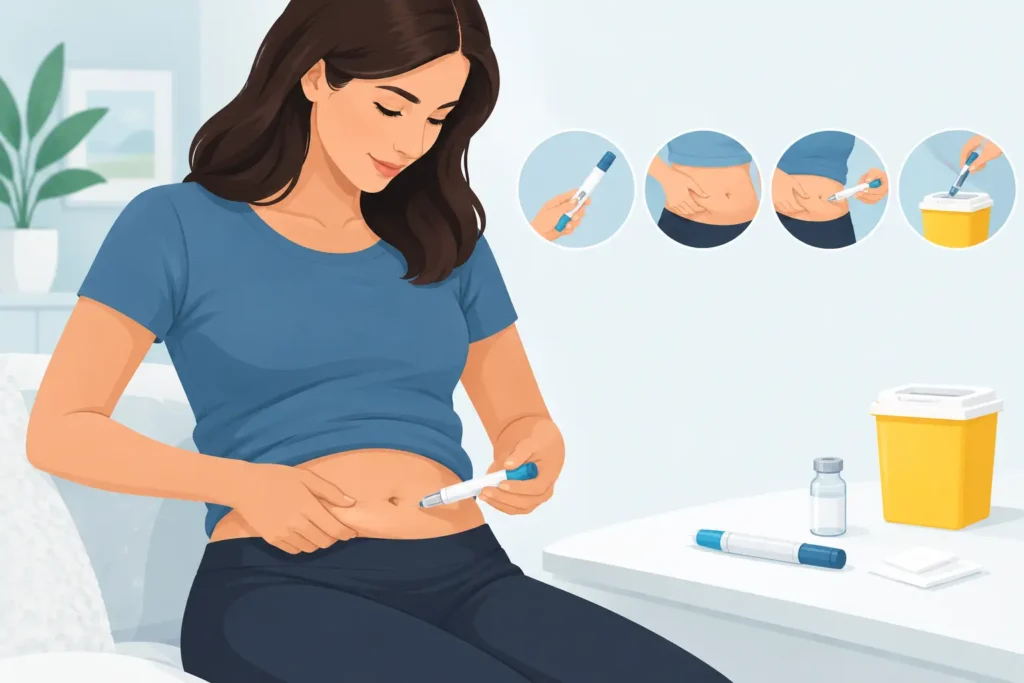
FDA-approved GLP-1-based medications, including semaglutide or tirzepatide, may be considered for eligible patients as part of a broader care plan. These medications can support meaningful weight loss and improve metabolic markers, which may benefit fatty liver risk. They are not right for everyone, and they should be prescribed and monitored by a qualified clinician who understands your digestive and liver history.
Treatment decisions should account for side effects, cost, insurance coverage, personal goals, and medical contraindications. Medication can be a valuable tool, but long-term results still depend on follow-up, nutritional support, and a plan that is realistic for your daily life.
Follow-Up Protects Your Progress
Fatty liver care is usually ongoing, not a one-time visit. Follow-up allows your physician to track liver enzymes, metabolic markers, weight trends, symptoms, and fibrosis risk over time. It also creates space to adjust a plan when life changes, progress slows, or side effects occur.
Seek prompt medical attention for yellowing of the skin or eyes, abdominal swelling, vomiting blood, black stools, confusion, or severe persistent abdominal pain. These symptoms can have different causes, but they require timely evaluation. Most people with fatty liver will never experience them, especially when care begins early.
At NJ Gastroenterology & Health Wellness, board-certified digestive and metabolic care can be coordinated around your full health picture, from liver testing and fibrosis assessment to physician-guided weight management. A diagnosis of fatty liver is a reason to act with clarity, not fear. Schedule an evaluation, bring your questions, and begin with the next sustainable step for your liver and your overall health.