A colonoscopy can prevent colon cancer by finding and removing certain polyps before they become cancerous. But the exam is only as accurate as the view your gastroenterologist has during the procedure. Thoughtful colonoscopy preparation clears the colon so small polyps, inflammation, and other concerns are less likely to be missed.
Preparation can feel inconvenient, especially when you are managing work, family obligations, diabetes, chronic digestive symptoms, or weight-loss medications. A personalized plan makes the process more manageable. Your written instructions from your gastroenterology team should always take priority, because the right timing and medication adjustments depend on your health history and the type of prep prescribed.
Why colonoscopy preparation affects your results
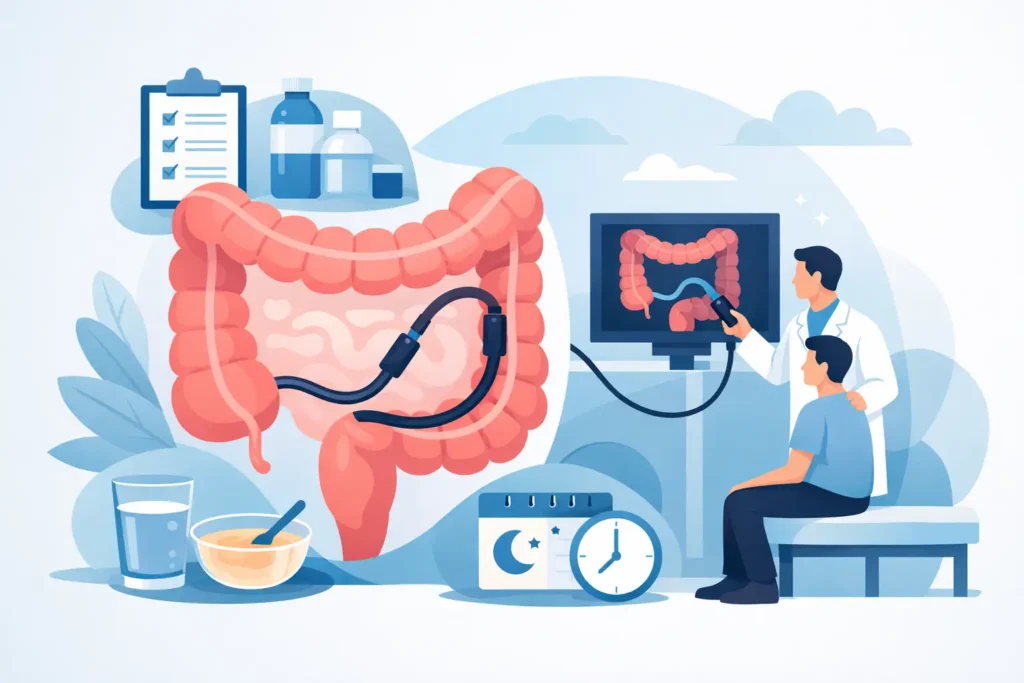
During a colonoscopy, a board-certified gastroenterologist guides a thin, flexible camera through the colon while you are under sedation. Any remaining stool or cloudy liquid can obscure the lining of the colon. When visibility is limited, the physician may not be able to confidently complete the examination, and the procedure may need to be repeated sooner than expected.
A well-cleaned colon supports a more complete screening and can help your physician identify polyps, bleeding, signs of colitis, or other abnormalities. It also allows the care team to make more confident recommendations about when you should return for your next screening.
The goal is not simply to finish the prep solution. The goal is for your bowel movements to become liquid, yellow, and mostly clear by the end of the preparation. If you are concerned that your prep is not working, call your gastroenterology office rather than guessing what to do next.
Your colonoscopy preparation plan, step by step
Start with your health and medication review
Before scheduling or beginning your prep, make sure your care team knows about every prescription medicine, over-the-counter medication, vitamin, supplement, and herbal product you take. This includes blood thinners, aspirin, anti-inflammatory medications, iron supplements, insulin, diabetes pills, injectable diabetes medications, and GLP-1 medications such as semaglutide or tirzepatide.
Do not stop a blood thinner, diabetes medication, or GLP-1 medication on your own. These medications may require specific adjustments to reduce risks related to bleeding, low blood sugar, delayed stomach emptying, or dehydration. The correct plan may involve coordination between your gastroenterologist, primary care physician, cardiologist, endocrinologist, or prescribing clinician.
Tell your team if you have kidney disease, heart failure, severe constipation, a history of poor bowel prep, nausea or vomiting, prior abdominal surgery, sleep apnea, or an allergy to a medication. These details can influence the type of bowel preparation and monitoring you need.
Adjust your diet before the procedure
Many patients are asked to follow a low-fiber diet for several days before their procedure, though the timing varies. Low-fiber foods are easier for the body to clear. Your instructions may allow choices such as white bread, eggs, yogurt without fruit pieces, plain pasta, rice, tender chicken, fish, or peeled potatoes.
You may need to avoid high-fiber foods that leave residue in the colon, including raw vegetables, salad, beans, nuts, seeds, popcorn, whole grains, and fruits with skins or seeds. Avoiding red and purple liquids is also common because those colors can resemble blood during the exam.
The day before a colonoscopy, most patients follow a clear-liquid diet. Clear liquids generally include water, clear broth, apple juice, white grape juice, plain gelatin, tea or coffee without milk or creamer, electrolyte drinks, and clear sodas. You need calories and hydration during this period, so do not rely on water alone unless your physician tells you otherwise.
If you have diabetes, your clear-liquid choices need extra attention. Sugary drinks may affect blood glucose, while avoiding carbohydrates altogether can increase the risk of low blood sugar. Ask for specific guidance well before the day of your procedure.
Take the bowel prep exactly as instructed
Your prescription bowel prep works by drawing water into the bowel and triggering frequent bowel movements. Split-dose preparation, where part of the solution is taken the evening before and the rest closer to the procedure, is commonly recommended because it often produces a cleaner colon. The exact schedule depends on your procedure time and sedation guidelines.
Chilling the solution, drinking it through a straw, and following each dose with approved clear liquids may make the taste easier to tolerate. Stay near a bathroom once the prep begins, use soft toilet paper or fragrance-free wipes, and consider a protective barrier ointment to reduce skin irritation.
Nausea, bloating, and cramping can occur as the prep starts working. A short pause, a slow walk, or sipping the solution at the instructed pace may help. However, vomiting the prep, severe abdominal pain, dizziness, fainting, or inability to keep liquids down are reasons to contact your clinical team promptly.
The day of your colonoscopy
Follow the cut-off time for drinking liquids precisely. This safety rule helps lower the risk of aspiration while you are sedated. Do not eat food, chew gum, or have candy after the time specified in your instructions.
Wear comfortable clothing and leave jewelry and valuables at home. Bring identification, insurance information, a current medication list, and any forms your center has requested. Because sedation affects judgment and reaction time, a responsible adult must drive you home and stay available after the procedure. A rideshare or taxi driver alone may not meet the center’s discharge requirements.
Plan to take the rest of the day off from work, driving, alcohol, legal decisions, exercise, and tasks that require close attention. Most people feel back to normal by the next day, but individual recovery can vary.
Common concerns that deserve a call to your care team
Constipation is one of the most common reasons preparation falls short. If you typically have fewer than three bowel movements per week, use laxatives regularly, take opioid pain medication, or have had an inadequate prep before, mention it early. You may need an adjusted diet, earlier preparation, or an additional medication.
Patients also often ask whether they can continue weight-loss treatment before a colonoscopy. There is no one-size-fits-all answer. GLP-1 medications can affect digestion and stomach emptying, while fasting and bowel prep can affect hydration and blood sugar. Your procedure team and prescribing physician should provide an individualized plan based on your medication, dose schedule, symptoms, and medical conditions.
New symptoms such as fever, severe diarrhea, chest pain, shortness of breath, significant rectal bleeding, or worsening abdominal pain should be reported before your procedure. Your care team can determine whether it is safe to proceed or whether the appointment should be rescheduled.
Make screening part of your long-term health plan
A colonoscopy is more than a one-day test. It can be a meaningful part of preventive care, particularly for adults at average risk beginning at the recommended screening age and for people with a personal or family history that calls for earlier or more frequent testing. Persistent bowel changes, unexplained anemia, rectal bleeding, abdominal pain, or unintentional weight loss may also warrant a diagnostic evaluation.
At NJ Gastroenterology & Health Wellness, board-certified specialists consider your symptoms, family history, medications, digestive conditions, and metabolic health when building a plan for screening and follow-up. The most useful preparation instructions are the ones designed around the person taking them.
If the process feels overwhelming, ask questions before prep day. A clear plan, the right medication guidance, and timely support can help you arrive prepared and give your physician the best possible view of your colon.