A liver scan may show fat buildup even when you feel well, which can make the next question feel urgent: how much weight do I need to lose? Fatty liver weight loss results are often meaningful, but they are not measured by the scale alone. Better liver enzymes, lower liver fat, improved blood sugar, and reduced inflammation can all be signs that your health is moving in the right direction.
For many adults, fatty liver disease is connected to insulin resistance, elevated cholesterol or triglycerides, sleep apnea, high blood pressure, and difficulty maintaining weight loss. Treating only one piece of that picture can leave important risks unaddressed. A physician-guided plan looks at your liver, metabolism, medical history, medications, nutrition, and goals together.
What weight loss can do for fatty liver disease
Fatty liver disease, now commonly referred to as metabolic dysfunction-associated steatotic liver disease, or MASLD, occurs when excess fat accumulates in the liver. Some patients may also hear the earlier term nonalcoholic fatty liver disease, or NAFLD. In some cases, liver fat can contribute to inflammation and scarring, known as fibrosis, which raises the risk of more serious liver disease over time.
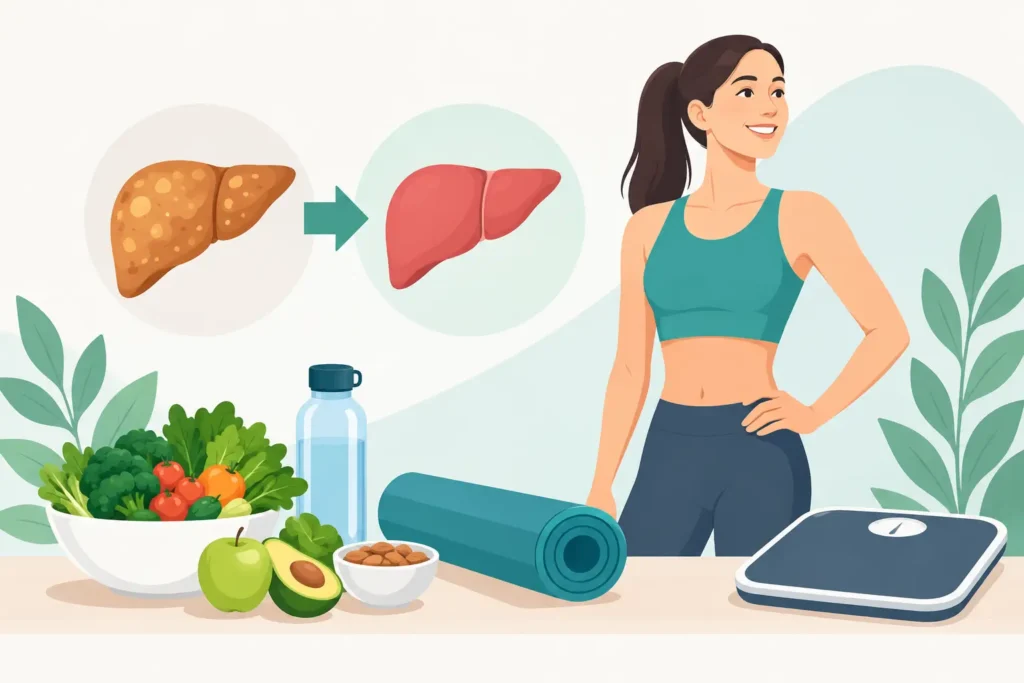
Weight loss can reduce the amount of fat stored in the liver. It can also improve insulin sensitivity, which helps the body use and store glucose more effectively. That is why a carefully designed weight-management plan can be a central part of fatty liver treatment, not simply a cosmetic goal.
Research and clinical experience suggest that even modest weight loss can help. A loss of about 5% of starting body weight may reduce liver fat. Reaching 7% to 10% may offer greater improvement in liver inflammation and, for some patients, fibrosis. Results vary based on the degree of liver disease, genetics, alcohol intake, diabetes status, medications, and the ability to sustain lifestyle changes.
There is no single number that guarantees liver healing. For a patient who weighs 250 pounds, a 5% loss is about 12 to 13 pounds. That may seem modest compared with commercial diet-program promises, but medically meaningful progress often begins before a dramatic change on the scale.
Fatty liver weight loss results: what progress looks like
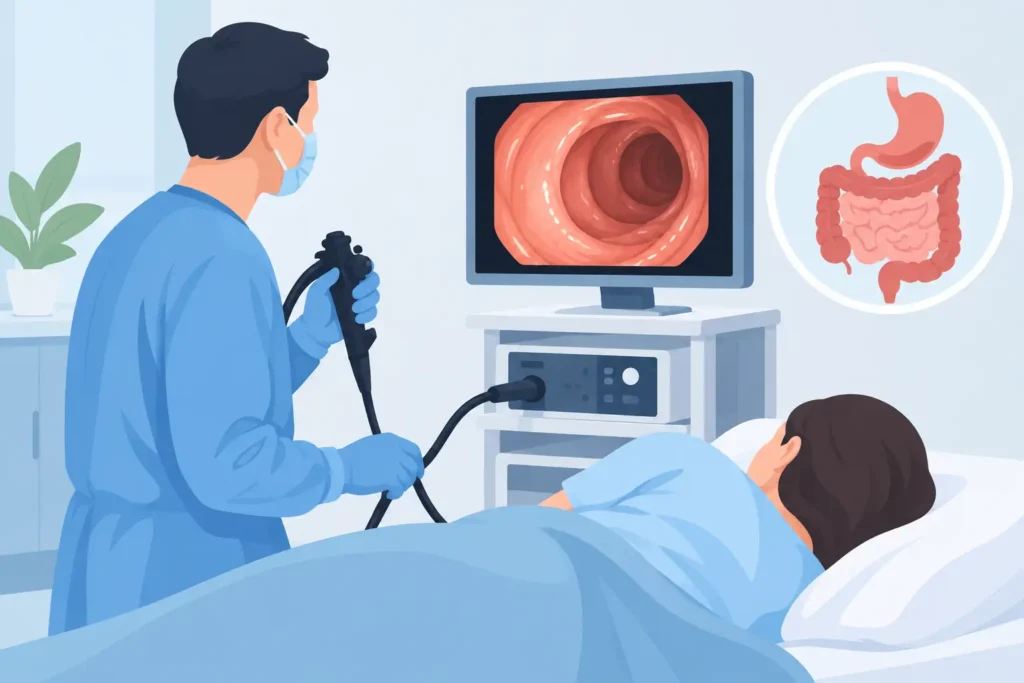
The most useful results are measured over time. Weight is one marker, but it does not tell the full story. Your clinician may track liver enzymes such as ALT and AST, blood sugar or A1C, cholesterol and triglycerides, blood pressure, waist circumference, and imaging or noninvasive fibrosis testing when appropriate.
Liver enzymes may improve with weight loss, but normal values do not always rule out liver fat or fibrosis. Likewise, an elevated ALT does not reveal the full severity of liver disease. This is why patients benefit from an individualized evaluation rather than relying on one lab result or an online calculator.
Some changes may occur within weeks, including improved energy, less post-meal fatigue, better blood sugar patterns, or early weight reduction. Liver fat and metabolic markers may improve over several months. If fibrosis is present, improvement can take longer and requires continued follow-up. The goal is steady, sustainable progress that reduces risk over the long term.
It is also possible to lose weight without fully resolving fatty liver disease. This may happen when advanced fibrosis, unmanaged diabetes, significant alcohol use, certain medications, or another liver condition is involved. A comprehensive workup helps identify these factors early so treatment is not based on assumptions.
Why rapid weight loss is not always the answer
Patients are often understandably eager for fast results after receiving a fatty liver diagnosis. However, highly restrictive diets, unsupervised supplements, and rapid weight-loss plans can be difficult to maintain and may not provide adequate protein, fiber, vitamins, or minerals. Rapid changes can also increase the risk of gallstones in some people.
The best pace depends on your health, starting weight, medical conditions, and treatment plan. Gradual loss is often more sustainable, but some patients with obesity and metabolic disease may benefit from more intensive medical treatment. What matters is that the approach is clinically appropriate and monitored.
Alcohol deserves direct attention as well. Even when fatty liver is primarily related to metabolic health, alcohol can add stress to the liver. Your gastroenterology provider can offer guidance based on your liver tests, imaging, fibrosis risk, and personal history rather than a one-size-fits-all rule.
Building a plan that supports your liver and metabolism
A practical fatty liver plan should be realistic enough to continue after the first few motivated weeks. Nutrition counseling can help patients create meals that support blood sugar control, adequate protein, fiber intake, and calorie goals without treating food as an enemy. For many people, reducing sugary drinks, refined carbohydrates, heavily processed foods, and oversized portions can make a meaningful difference.
Physical activity is another key part of treatment. Both aerobic movement and resistance training can improve metabolic health and reduce liver fat. You do not need to start with an intense gym routine. Walking regularly, adding strength exercises, and reducing long stretches of sitting can be a sensible place to begin. The right activity plan depends on joint health, fitness level, heart health, and personal preference.
Sleep, stress, and medication review also matter. Poor sleep and untreated sleep apnea can make weight management more difficult. Some medications can affect weight, blood sugar, or liver tests. A medical evaluation can identify barriers that a generic diet plan may overlook.
When medication may be part of treatment
For eligible patients, FDA-approved weight-management medications may be considered alongside nutrition, activity, and behavioral support. GLP-1-based medications, including semaglutide and tirzepatide, can help some patients reduce appetite, lose weight, and improve metabolic markers under physician supervision.
These medications are not appropriate for everyone, and they are not a substitute for liver evaluation. A clinician should review your medical history, current medications, gastrointestinal symptoms, diabetes status, and potential risks before recommending treatment. Side effects such as nausea, constipation, diarrhea, or abdominal discomfort may occur, particularly as doses are adjusted.
Medication can be especially helpful when previous lifestyle efforts have not produced sufficient results or when obesity-related conditions increase health risk. The strongest outcomes generally come from pairing medication with ongoing clinical follow-up and a plan patients can maintain after weight loss begins.
Coordinated care can make the difference
Fatty liver disease sits at the intersection of digestive health, liver health, and metabolism. Patients may need testing to assess liver fat and fibrosis, support for weight management, and care for related conditions such as reflux, IBS, diabetes, or high cholesterol. Coordinating those needs can reduce confusion and keep the treatment plan focused on measurable goals.
At NJ Gastroenterology & Health Wellness, board-certified specialists can evaluate liver and digestive concerns while providing physician-supervised medical weight management for eligible patients. Care begins with your personal history, current symptoms, health risks, and goals, then moves toward a plan designed for lasting improvement rather than a temporary diet.
If you have been told you have fatty liver disease, do not wait for symptoms to become severe. A thoughtful medical evaluation can clarify your risk, establish a realistic target, and give every pound lost a clearer purpose: protecting your liver and your overall health.